Vladimir Zelensky, the President of Ukraine, announced on September 23 at the United Nations General Assembly the transfer of two North Korean prisoners of war to the Republic of Korea. In his speech, he emphasized Russia's military support for North Korea and the casualties of North Korean soldiers on the Ukrainian front, seemingly aiming to illustrate the global dimensions of Russia's war and garner political and public support in Seoul for sending weapons and aid to Ukraine.
Diplomatic tensions between Ukraine and South Korea
This revelation by Zelensky fueled diplomatic tensions between Ukraine and South Korea. Seoul claimed that Ukraine had agreed to keep the transfer of these prisoners confidential, while Kyiv denied this agreement and described it as a misunderstanding. Currently, South Korea has recalled its ambassador from Ukraine.
Humanitarian and geopolitical consequences
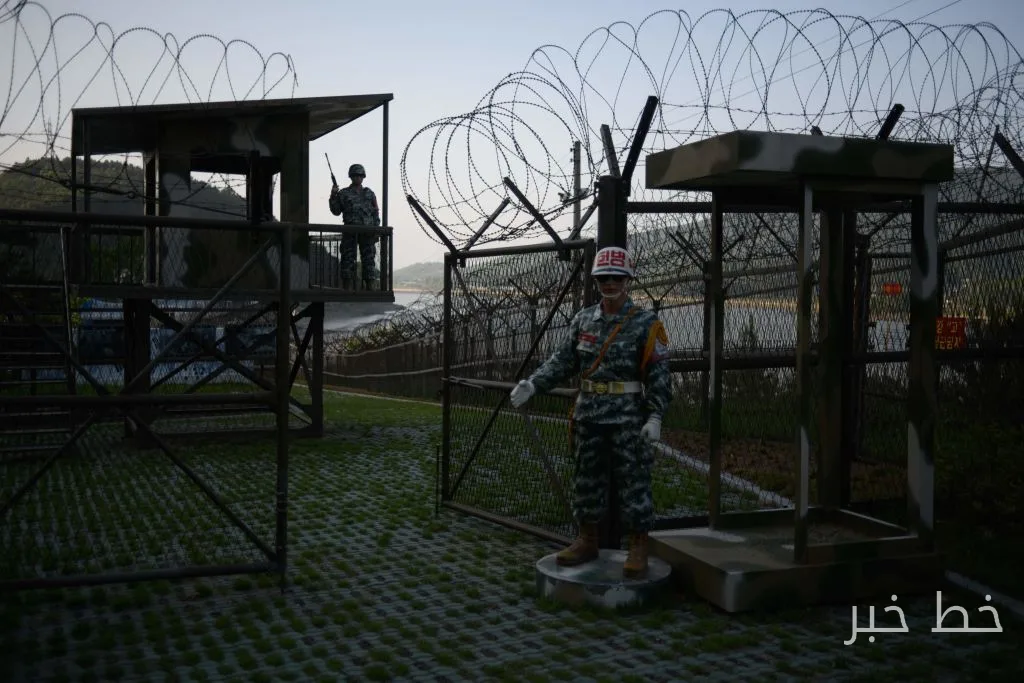
This dispute over diplomatic protocols reflects the human cost that two soldiers have paid in a geopolitical conflict between the security of Europe and Northeast Asia. This narrative reflects the geopolitical complexities of the two Koreas on the European battlefield and underscores South Korea's efforts for inter-Korean peace.
The two soldiers at the center of this dispute were captured in January 2025 in the Kursk region of Russia during battle. They were part of a group of 10,000 North Korean soldiers who had reinforced Russian forces. Following their capture, the Ukrainian army released a video of the two soldiers confirming North Korea's direct involvement in the war in Ukraine.
By revealing the transfer of these prisoners of war to South Korea in New York, Zelensky provided North Korea with a motive to demonstrate the consequences of fleeing for these soldiers and their families. This contrasts with the North Korean regime's response to the deaths of its soldiers in Russia, where Kim Jong Un promised a "beautiful life" and luxury apartments for their families.
Prisons and harsh punishments in North Korea consider any action by its soldiers to flee or surrender as treason, and their families may face collective punishment.