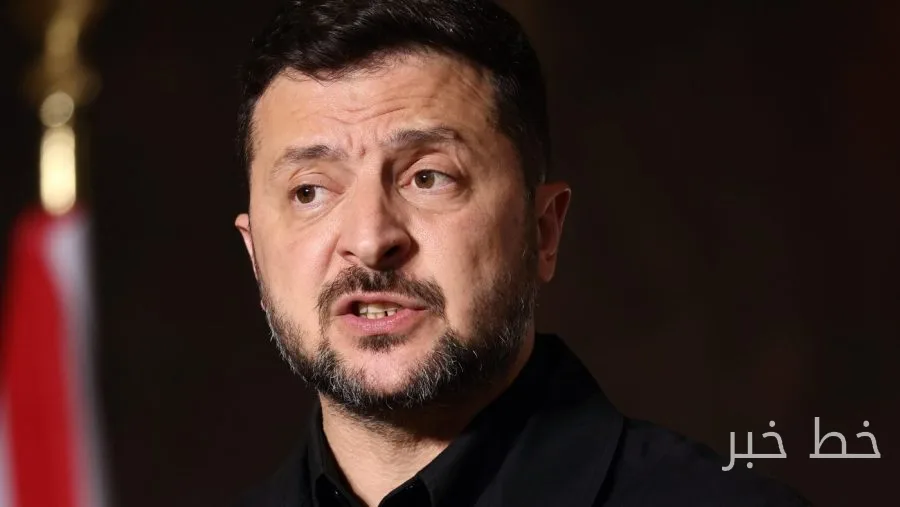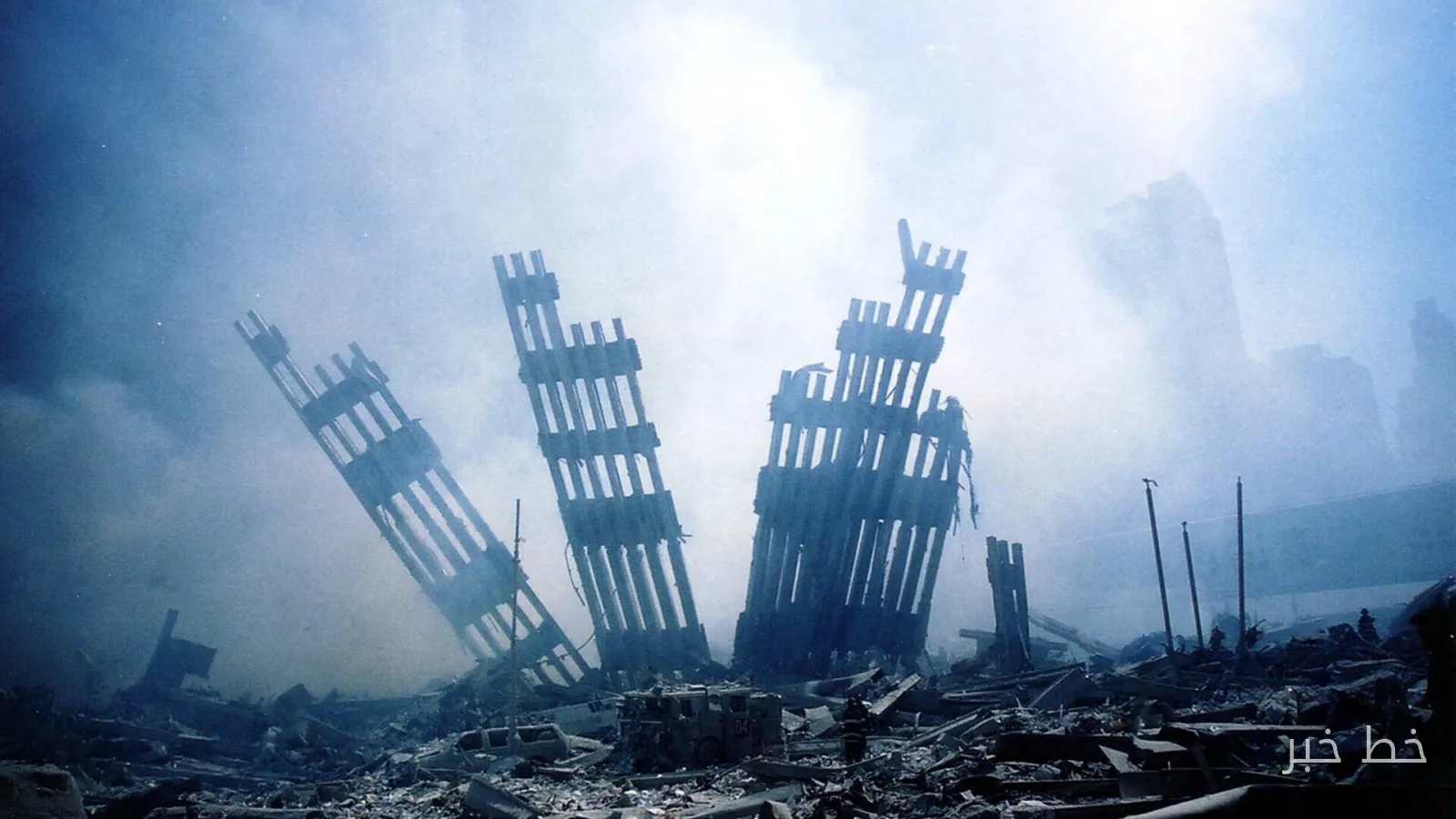
As New York approaches the 25th anniversary of the September 11 terrorist attacks, it reflects on the challenges and advancements of the Muslim community in the city. This community has now become an integral part of New York's social fabric, and the election of Zohra Mamedani as the city's mayor last November is a testament to these changes.
Cultural and Social Development
The election of Zohra Mamedani as mayor is seen as a symbol of progress and acceptance for the Muslim community in New York. This election not only signifies social changes but could also lead to a more positive environment for Muslims. Additionally, the opening of the largest mosque in the state at the end of this year reflects the cultural growth and development of this community.
However, despite these advancements, many Muslims still remember the bitter and difficult memories of the months following the September 11 attacks. During that time, Muslims faced significant discrimination and social stigmas that had profound effects on their daily lives.
Remembrance of Difficulties
After the September 11 attacks, many Muslims in New York and other parts of the United States encountered hurtful remarks and discriminatory behaviors. This situation not only harmed their social identity but also led to economic and psychological hardships. While the Muslim community today is gradually rebuilding its image in society, recalling those days remains painful and bitter.
No matter how bitter the past may be, the future can be brighter. With elections like Zohra Mamedani's and the opening of the largest mosque in the state, there is hope for improving the status of the Muslim community in New York. These developments could lead to greater acceptance and reduced stigma in the future.