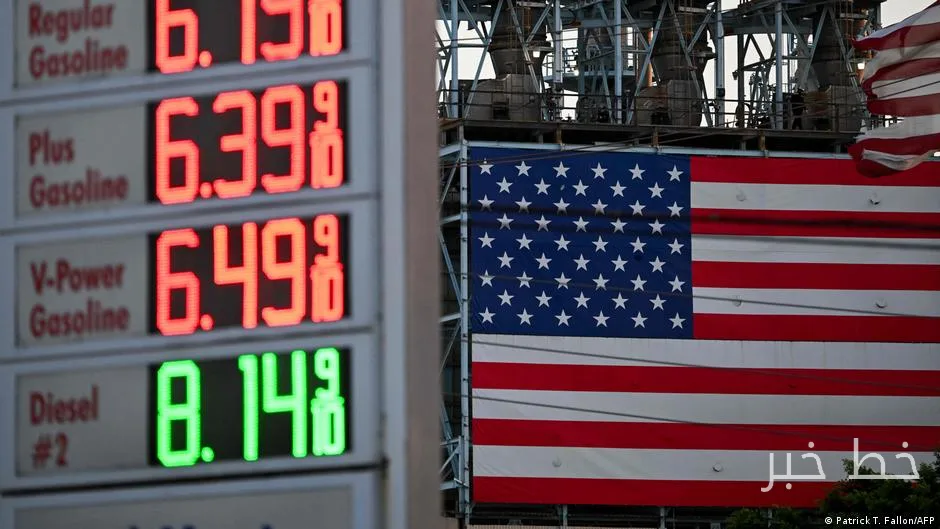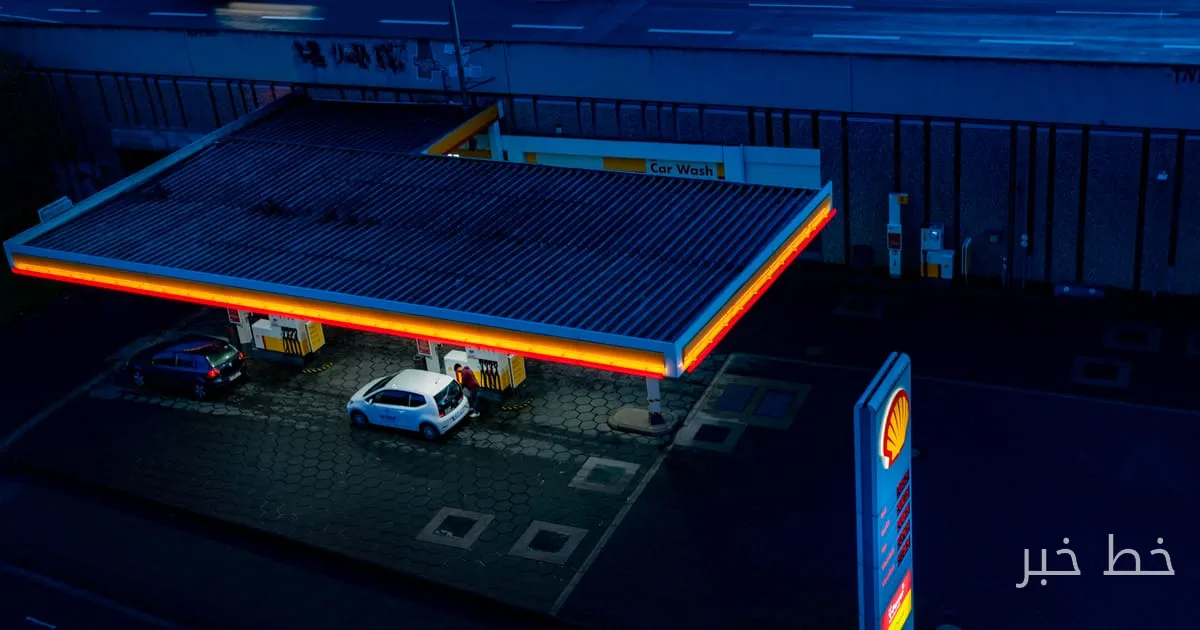
The German government, led by the black-red coalition (Christian Democratic Party and Social Democratic Party), has decided to implement a support package aimed at assisting citizens and companies against rising fuel prices. This package includes a reduction in energy taxes on gasoline and diesel by 14 cents per liter until the end of 2026, as well as an overall reduction of 17 cents in fuel prices.
Details of the Fuel Price Reduction Plan
According to the plans, this reduction also includes a decrease in value-added tax and will generally lead to a reduction in fuel prices. This action is considered a joint effort by the government and states to support people and businesses in difficult economic conditions. The goal of this plan is to reduce the financial burden on citizens and increase their purchasing power against high fuel prices.
Read more: Generation Z demands a tax on the wealthy
Forecast of Costs and Economic Impacts
The total costs of this plan are estimated to be around 2.5 billion euros, of which the states must cover 1.25 billion euros. This financial assistance is considered a fixed amount of value-added tax. Additionally, the government has a plan for a price cap on fuel for the period after the expiration of this plan, which will be regularly communicated with the oil industry.
According to this plan, gasoline and diesel prices will be controlled during crises. This action means setting a maximum price for fuel that can be determined based on changes in oil prices and transportation and distribution costs. The Social Democratic Party has long sought such a mechanism, and it seems that models from countries like Luxembourg and Belgium have been considered as examples.
Officials' Reactions to the New Decision
Katrin Reich, Germany's Minister of Economy, reacted cautiously to the new decision, emphasizing that ensuring energy supply security must be considered a prerequisite for this price cap. She stated that this price cap should only be applied in situations where prices rise unfairly. Reich also highlighted the importance of domestic production in 11 German refineries, stating that this makes the country less dependent on foreign imports.
Read more: 43 percent of Americans blame Trump for the current state of the economy · Friedrich Merz faces the least support from his party