A group of 22 countries, including several European nations, stated in a declaration approved on Monday that artificial intelligence (AI) must remain under human guidance, oversight, and control. This statement was presented on the sidelines of the United Nations General Assembly in New York and called for the establishment of a global regulatory framework for artificial intelligence.
Risks and Benefits of Artificial Intelligence
The statement emphasized the potential of artificial intelligence to improve lives, advance science, and strengthen the economies of countries. However, there are also concerns about the rapid development of advanced AI models that could pose serious risks to safety and security if not managed properly.
Read more: CEOs of AI companies invited to Trump and Xi Jinping's state dinner
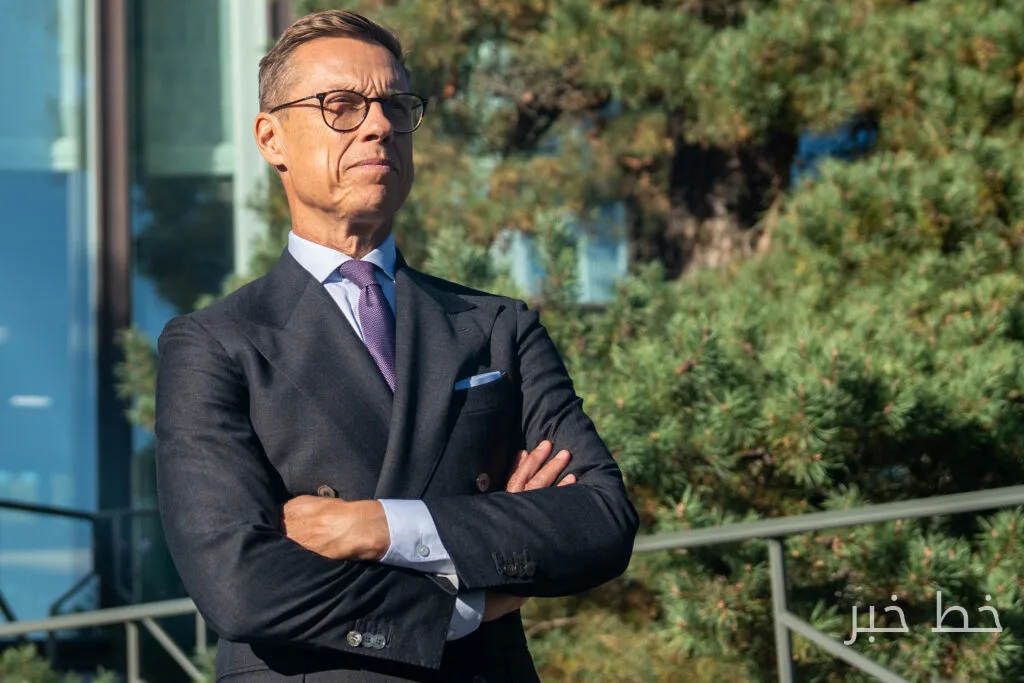
This initiative comes especially ahead of the meeting between the President of the United States and China, Donald Trump and Xi Jinping, in Washington. However, neither the United States nor China is among the signatories of this statement. Alexander Stubb, the President of Finland and one of the main organizers of this document, hopes to create a "movement" and attract more actors to this initiative. He stated, "I think there are common interests for China and the United States that we need to establish some limitations, and our message is that we need human intervention, so humans must play a role in decision-making."
Proposed Actions for AI Control
The statement also referred to a recent cyberattack carried out by uncontrollable AI agents on the Hugging Face platform and called for the management of these risks. Signatory countries are required to mandate AI companies to develop transparent safety protocols, including mandatory testing before deployment and independent assessments by authorized evaluators who have sufficient access to evaluate risks.
However, this document does not specifically call for a reduction or halt in the development of artificial intelligence, and the organizers have pointed to focusing on risk management. Signatory countries must "further develop and coordinate common standards" and enhance transparency, including joint reporting on serious safety incidents.
Stubb noted that "our personal preference" is to create a new entity similar to the International Atomic Energy Agency within the framework of the United Nations. However, he also added that he intends to present this proposal in a way that it is not rejected, especially given Trump's skepticism towards the United Nations.
Currently, the United Kingdom has not yet joined this statement. Among major European countries, German Chancellor Friedrich Merz has supported this initiative, while the signatures of France, Italy, and Poland are notably absent.
Stubb also emphasized that he and Astora are by no means "apocalyptic promoters" regarding artificial intelligence, but they cited three reasons for the threat of a lack of effective oversight: the production of biological weapons by AI, cyberattacks by AI agents, and lethal robots using AI for deadly attacks. He also clarified that the benefits of artificial intelligence could be "much greater" if this technology is used properly.
Read more: Gavin Newsom signed an executive order to review new AI regulations · Trump announced the creation of an AI force