Germany is striving to establish a sustainable plan for financing Ukraine in the long-term future budget of the European Union to prevent a potential veto from opponents like Marine Le Pen in the French presidential election.
Details of the German Plan
Berlin has planned to provide the European Union with more "financial space" to raise a budget beyond the 100 billion euros that the European Commission has previously proposed for Ukraine. This borrowing mechanism will help finance future needs without incurring large and politically unacceptable costs. A senior European official stated that "financing for Ukraine is now more discussed than ever" and this situation will be even more pronounced if Marine Le Pen wins the French presidential election in April 2024.
Read more: Andy Burnham Needs a Specific Plan for Cooperation with the European Union
Challenges Ahead
The approval of the long-term future budget of the European Union and the space plan that Germany wants to attach to it requires unanimous support from EU member states, but future decisions to raise money for Ukraine under this plan will only require a qualified majority. This means it will be harder for any single government to block EU support.
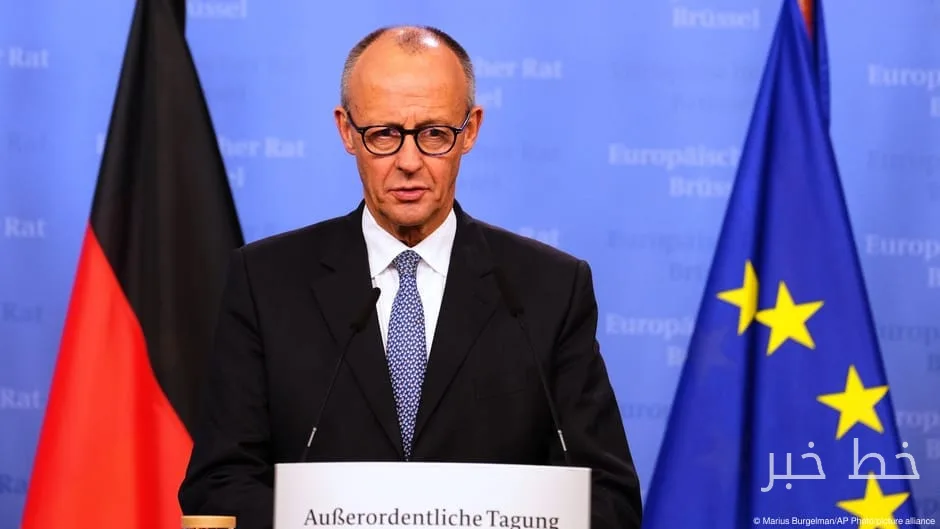
The German plan may face opposition from countries like Hungary, the Czech Republic, and Slovakia, which are seeking exemptions from assistance to Ukraine. This also complicates the tough negotiations over the seven-year European budget. Friedrich Merz, the Chancellor of Germany, is trying to leverage his country's financial superiority as the largest contributor to the 2 trillion euro EU budget in this matter.
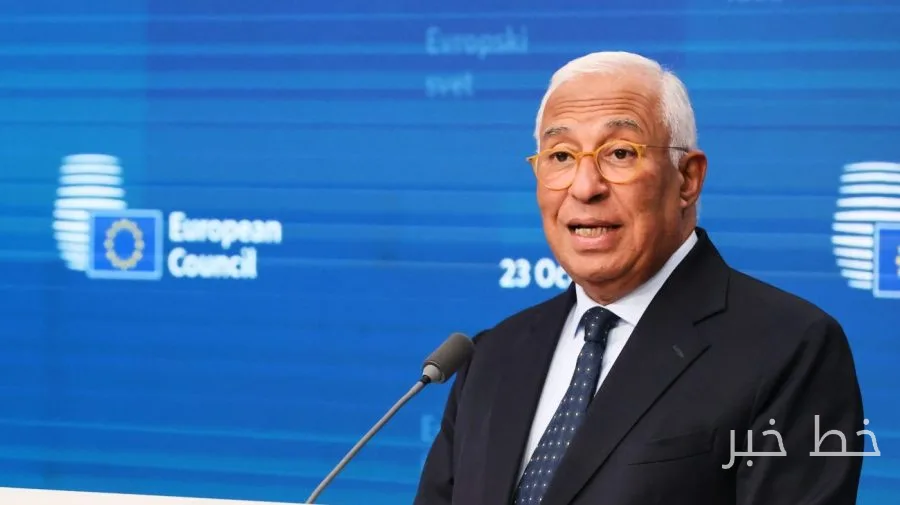
In a letter sent to the President of the European Council, Merz conditioned Germany's support for the future budget on the EU's agreement to raise an additional 45 billion euros for Ukraine by 2027. This action also implies a threat to reduce Germany's contributions to regional development funds that assist Central European countries.
German officials are concerned that allowing smaller countries like Slovakia to be exempt from financing Ukraine could create a dangerous precedent and enable larger countries like France to evade their future commitments.
Read more: The European Commission Presents a 45 Billion Euro Loan Plan for Ukraine · Lavrov Considers France's Military Activity in Ukraine a Direct Involvement