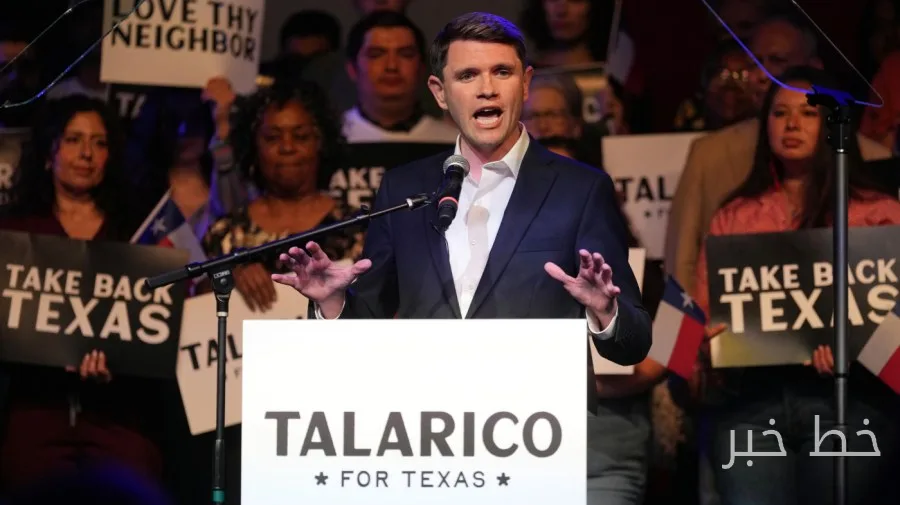
Donald Trump's administration once again took center stage at a meeting at the United Nations on Tuesday. However, in the background, there is a sense of dissatisfaction and even resistance from some leaders who seem to be preparing for life after the U.S.-led global order.
Criticism of Trump's Threats
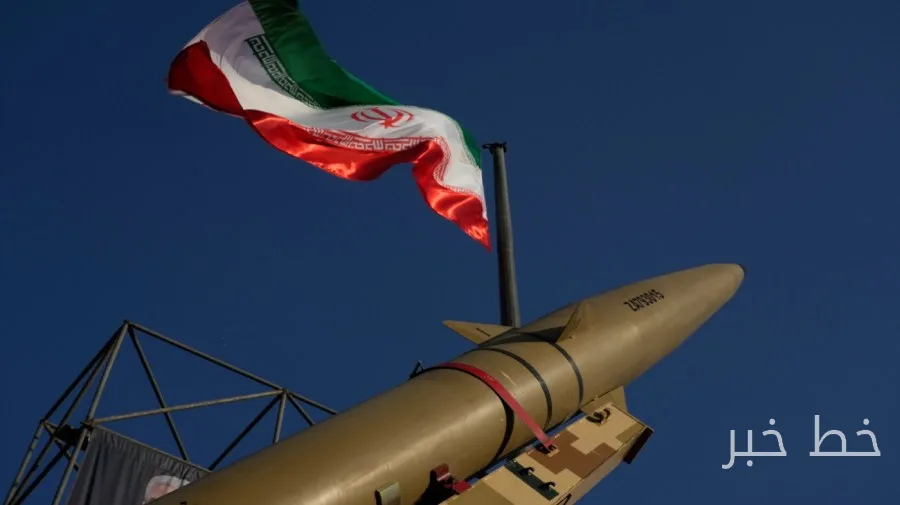
After Trump threatened to "destroy" certain elements of Iran, concerns arose among some allies. Espen Barth Eide, Norway's Foreign Minister, said in an interview, "I was worried when I heard a leader from a major power saying they are considering the destruction of a country. This clearly violates the fundamental principles of the United Nations."
Read more: U.S. Air Force F-16 Fighter Jet Crashes in Germany
Mark Carney, the Prime Minister of Canada and a leading critic of Trump on the global stage, did not meet with him and instead emphasized reducing dependence on traditional American power. He told reporters, "The alternative that Canada and many others are pursuing is values-based realism."
Efforts to Regulate Artificial Intelligence
On the issue of artificial intelligence, Norway and Finland called for human oversight of the technology and gathered signatures from nearly two dozen world leaders, including Germany and the United Arab Emirates. This request came after Trump rejected global oversight of artificial intelligence. Meanwhile, the Cuban delegation walked out of his speech following Trump's remarks about fundamental changes in Havana.
Within the United States, Trump faces troubling polls and increasing criticism, including from members of his own party. He remained in the spotlight at the United Nations, telling reporters that his representatives had met with the Iranian delegation and had also held meetings with Gulf allies.
New Agreements and International Relations
One of the significant events of Trump's day was the signing of an agreement between the United States, Greenland, and Denmark, which prohibits any non-NATO activities on the island without the agreement of all three parties. Trump said at the signing ceremony, "I know this relationship will be long-term and extraordinary." Denmark's Prime Minister, Mette Frederiksen, thanked Trump for the agreement, describing it as "a bigger and better agreement" than the previous one in 1951.
However, a NATO diplomat who wished to remain anonymous expressed disappointment over the unnecessary drama surrounding the issue, stating, "The previous agreement was also good for Washington and the coalition, and this drama was unnecessary."
Some of Trump's new initiatives, including his efforts to combat crime in Latin America, received praise. Keiko Fujimori, the President of Peru, supported Trump's leadership and initiative. Meanwhile, Nozimov Davlatov, an advisor from Uzbekistan's presidential administration, welcomed closer ties with Washington and referenced the upcoming visit of Marco Rubio, the Secretary of State, to Uzbekistan.
Impacts in the Middle East
Trump arrived at the United Nations amid recent U.S. and Israeli attacks on Iran, which have disrupted shipping in the Strait of Hormuz and Bab el-Mandeb. British Prime Minister Andy Burnham emphasized in a meeting with Trump that his country is ready to assist in resolving the Middle East crisis.
In response, Trump said Burnham "understands" and "knows what needs to be done." Eide also referred to Norway's efforts to hold a meeting regarding the Strait of Hormuz and reported on the sense of dissatisfaction in this regard.
Read more: Trump Appoints Marco Rubio as National Security Advisor · Trump's Administration Emphasizes Peace Through Power at the UN General Assembly