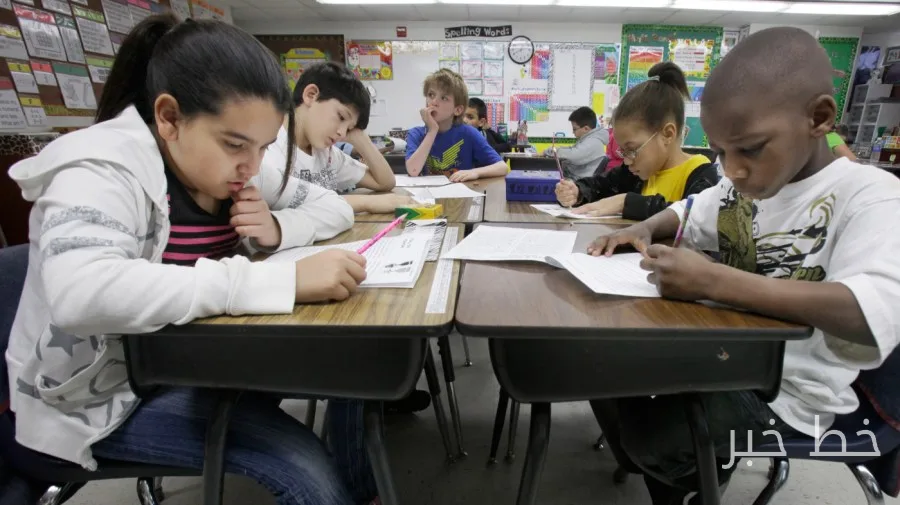
Access to higher education literally goes beyond tuition costs. Many educational programs may appear financially manageable, but the reality is that for many students, these programs are still not easily accessible in practice.
Financial Challenges for Students
Educational institutions often structure tuition costs to seem affordable, but additional expenses such as books, supplies, and living costs can significantly increase the financial burden. For this reason, many students may struggle to cover other expenses even if they pay tuition.
Read more: Elizabeth Warren attributed the Democrats' victories to populist economic messages
The Necessity of Support Programs
To address these challenges, there is a need for support programs and financial counseling. Educational institutions should focus not only on tuition but also on other costs associated with education. This can include providing scholarships, low-interest loans, and financial counseling so that students can easily navigate their educational paths.
Ultimately, access to higher education should be possible for all students, and this requires greater efforts from educational institutions and governments. By better understanding the real challenges that students face, programs can be designed that genuinely facilitate access to higher education.
Read more: The stock market declined after the Democrats' victory · James Talario compared his campaign to David in the Holy Book