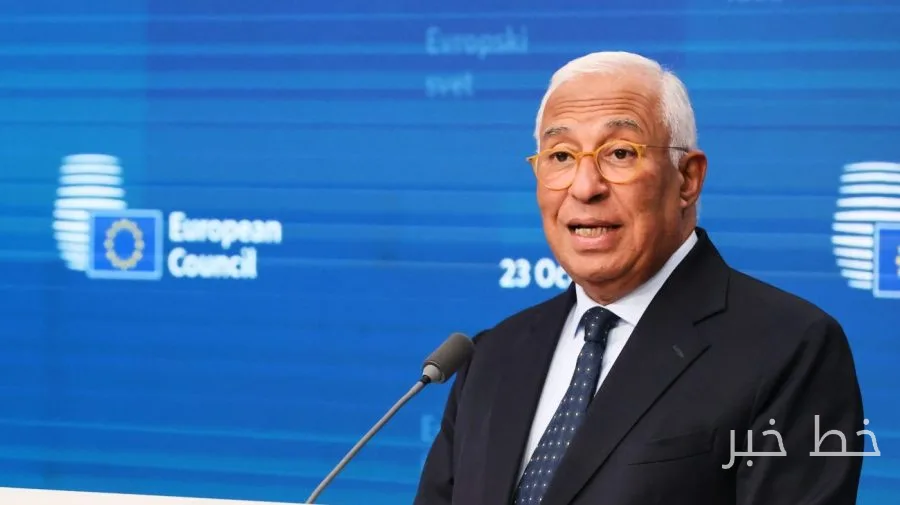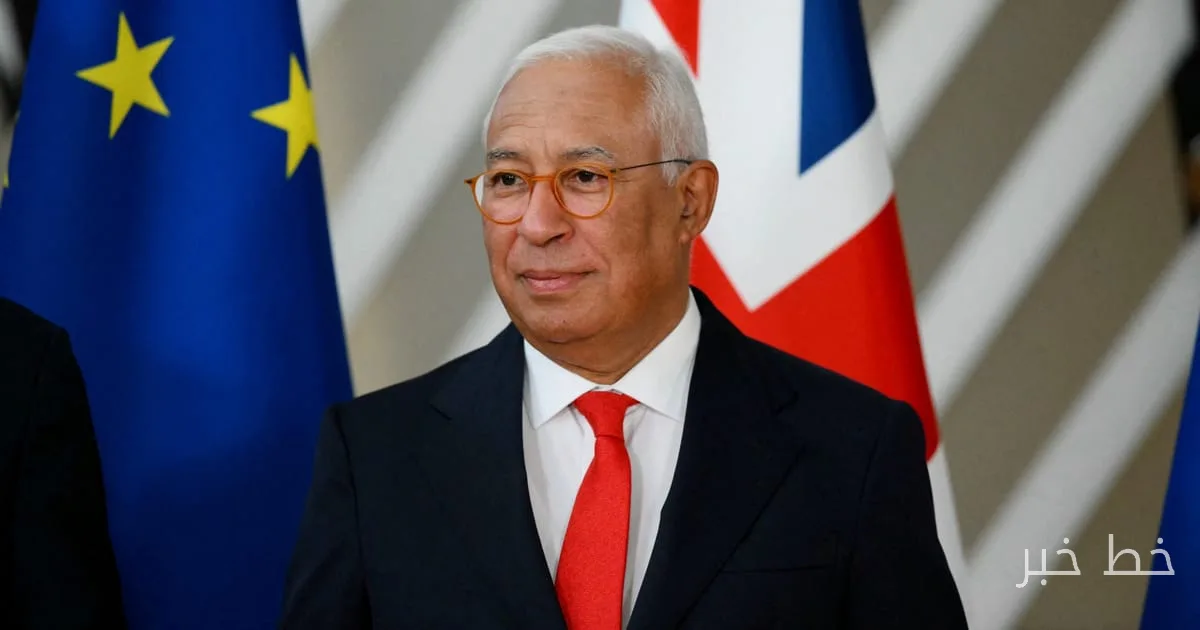
Antonio Costa, the Prime Minister of Portugal, proposed a €44 billion reduction from the seven-year EU budget on Saturday. This move comes as budget negotiations that began last year have now reached a critical point.
Reduction in Solidarity Policy and Its Impact
For the first time since the start of negotiations, the solidarity policy, which relates to regional spending, has been targeted for reduction. Costa proposed an €8 billion cut for this sector compared to the last proposal made. However, farmers' subsidies will not be affected. This change is particularly bad news for 17 countries, including Poland, Italy, and Spain, which recently opposed potential cuts to this policy.
New Financial Proposals and Digital Tax
Costa also proposed introducing a new tax on large digital companies like Google and Meta to finance the budget in the coming years. This move comes as Brussels has refrained from imposing this tax in recent years due to fears of reactions from Washington. However, the heavy defeat of Republicans in the recent midterm elections has created an opportunity for this change.
These proposals will set the stage for heated discussions among the 27 EU leaders at next week's summit, and ultimately, the agreed budget must be approved by the European Parliament. Despite disagreements over the size of the budget, Costa hopes that member states will reach an agreement at the EU summit starting on December 17.
He emphasized, "I believe this proposal can bring us closer to a final agreement, and I will continue to work with all leaders to achieve this goal." Despite disagreements over the size of the budget, member states have divided into two camps: one group wants a smaller budget focused on defense and competition, while the other believes the budget should be larger and focus on traditional priorities like agriculture and solidarity.
Costa also proposed mild reductions in the solidarity policy, which had been exempted from cuts in previous rounds due to opposition from many governments. Additionally, budget savings were achieved from external aid, which was reduced by €7 billion, and competitiveness, which was reduced by €20 billion.