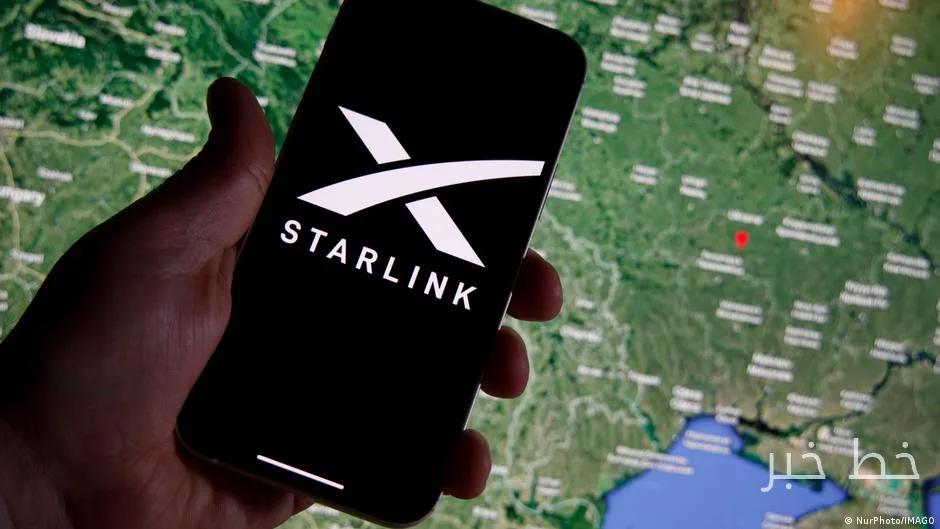
Two Turkish citizens were arrested in Germany for a fire at a Starlink station in Poland. Polish officials announced this news on Monday, emphasizing that the fire occurred last month.
Details of the Arrest
Marcin Kierwiński, the Polish Minister of the Interior, announced that German police arrested two Turkish citizens on suspicion of the fire at the Starlink station in Masovia. He wrote on social media: "This is another act of hybrid warfare, and the saboteurs must be held accountable before the Polish judiciary." Masovia is the province that includes Poland's capital, Warsaw, and is close to Poland's eastern borders with Belarus and Ukraine.
Cyber Attacks and Russian Threats
Poland's special services, Tamasz Siamonak, also pointed out that this fire seems to be linked to Russian cyber attacks and sabotage. He stated at a press conference: "Russian services are increasingly turning to individuals associated with the criminal underground." These remarks come as officials from several European Union countries have warned of an increase in Russian cyber attacks and sabotage across Europe, aimed at undermining support for Ukraine or directly influencing the country.
The use of Starlink internet services in Ukraine, especially in the current conditions of war with Russia, is recognized as a vital source for military and civilian communications. These services are particularly popular among Ukrainian military forces due to their unique capabilities.
Polish officials have not yet provided specific details about the time and exact location of the arrest of these two men. However, this action clearly reflects Poland's growing concerns about external threats and the need for greater security against destructive activities.
Russia typically dismisses European claims about hybrid warfare or systematic sabotage as anti-Russian nonsense or misinformation. This comes as tensions in relations between Russia and Western countries have sharply increased and are likely to continue in the near future.
Read more: Tension Between Trump Advisor and Laura Loomer in Support of Zelensky · Germany Rejected Trump's Request and Supported Zelensky