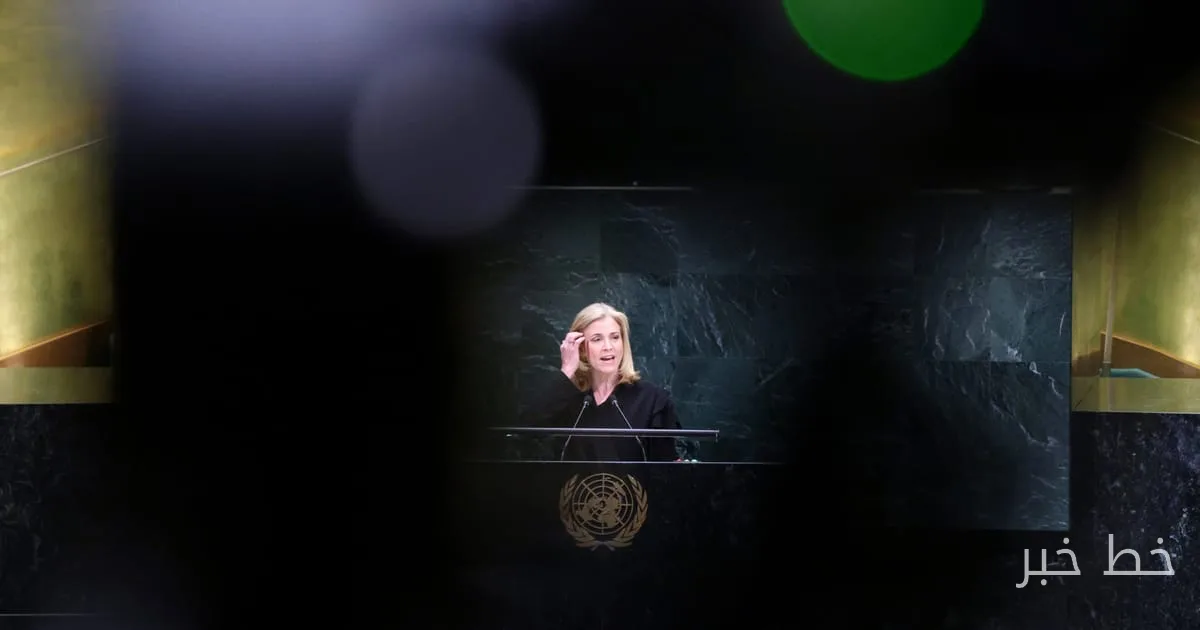
Austria is seeking to strengthen its espionage laws and prevent espionage activities in the country by passing a new law. Austrian Foreign Minister, Beate Meinl-Reisinger, stated that "Austria will no longer be a blind spot in European security." These remarks were made following the approval of the new law draft on Wednesday.
Increasing Espionage Threats
Austrian Chancellor, Karl Nehammer, also remarked that "foreign intelligence services are increasingly active in Austria" and added that "by tightening our laws, we will put an end to these activities. This action will help protect our European partners and international organizations based in Austria."
The new law generally addresses espionage and is part of a broader shift in the ministry's policy towards Russia. The current Austrian law punishes activities or support for a secret intelligence service if it harms Austria's interests, but does not cover espionage against other countries or international organizations in this regard. The government now intends to fill this legal gap.
New Penalties for Espionage
The draft of the new law includes penalties of up to five years in prison for espionage against EU entities or international organizations that have their offices or headquarters in Austria. For example, these organizations include the United Nations, the Organization for Security and Co-operation in Europe, and the International Atomic Energy Agency. Additionally, the maximum penalty for espionage against Austria will be increased from five to ten years.
Earlier this year, Austria requested Russia to remove existing satellite installations on its diplomatic properties in Vienna due to espionage concerns. Following this request, at least three such installations have been removed. Since March 2025, Austria has expelled eight Russian diplomats due to suspicion of espionage.
Beate Meinl-Reisinger also pointed out that "Austria's lenient approach towards spies has now firmly become a thing of the past. Vienna will remain a place for dialogue, but it will no longer be a center for espionage." These statements come as Vienna has long been recognized as a hub for espionage.
Austria's neutrality and its status as a non-NATO member have contributed to this reputation. During the Cold War, its proximity to the Iron Curtain made it a meeting place for intelligence services from the East and West.
The draft law also penalizes the recruitment of what are known as disposable agents by foreign intelligence services and strengthens penalties related to certain cyber crimes.
This law is expected to be approved in Parliament next year and come into effect in February 2027. This action is part of broader efforts to strengthen national security in Europe, with several European countries reviewing national laws and increasing the powers of domestic intelligence agencies.