European Union leaders are gearing up for a major battle over the future seven-year budget of the Union. This meeting will be held on Thursday in Brussels, and none of the rival governments expect an agreement to be reached.
Budget Proposals and Challenges
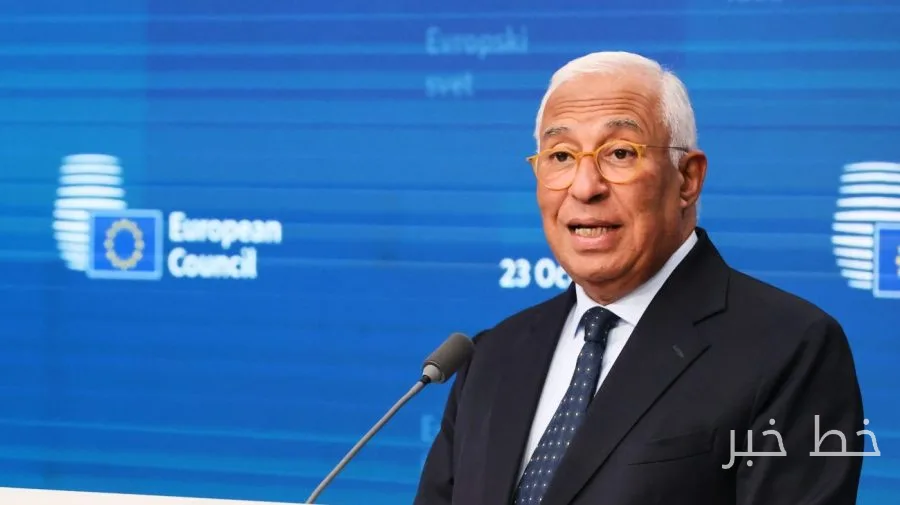
The President of the European Council, Antonio Costa, is trying to garner support for his budget proposal, which was presented on Saturday. This proposal includes a reduction of €44 billion compared to the previous plan. All leaders will discuss the EU budget and the €45 billion facilities for Ukraine during lunch on Thursday, after which multiple meetings will be held in small groups or bilaterally.
On Thursday night, they will reconvene to see if the discussions have led to any progress, but no agreement is anticipated before the final annual meeting that begins on December 17.
Perspectives and Tensions
The Prime Minister of Greece, Kyriakos Mitsotakis, stated: "Europe cannot expect more from itself while simultaneously choosing to invest less." He emphasized: "There is no strong Europe with a weak budget." More than a dozen diplomats preparing for this meeting report tensions and conflicts among the leaders.
EU diplomats believe this meeting is not a suitable time for an agreement. One EU diplomat said: "This meeting is not for convergence. It is not a time for retreat." Another senior EU diplomat remarked: "Costa knows that he likely needs a bad meeting now to have a good one in December."
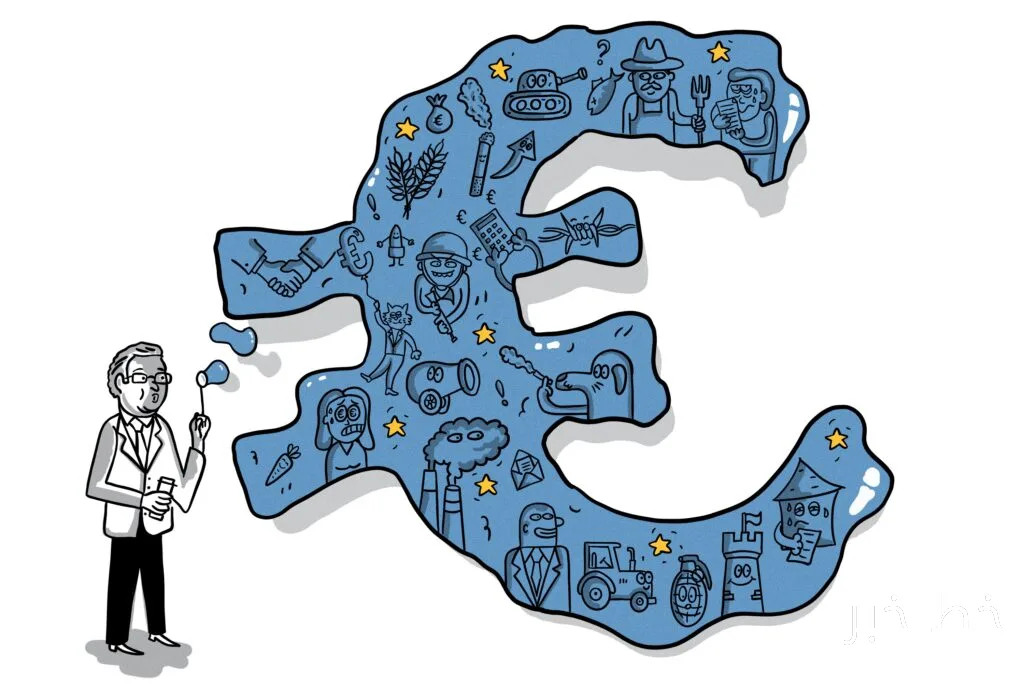
Meanwhile, a group of northern countries, including Germany and the Netherlands, is calling for a smaller budget that focuses on "modern" priorities such as defense and competitiveness. In contrast, southern and eastern European countries, including Italy and Poland, are demanding increased spending and maintaining focus on areas where the Union has traditionally invested, such as agriculture and poorer regions.
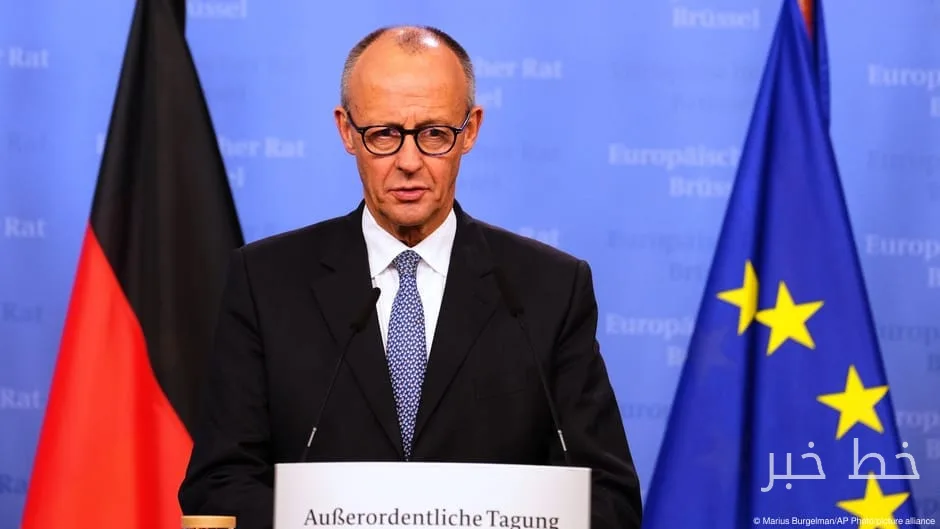
The tensions are so high that EU governments cannot even agree on the extent of the proposed budget increase compared to the current budget. While German Chancellor Friedrich Merz has claimed that Costa's proposal is 40% higher than the last agreed seven-year budget in 2020, rival governments argue that this claim ignores inflation rates and the repayment of post-COVID debts of the Union, which consumes nearly 10% of the total budget.
Financial Challenges and Policy Changes
The EU Budget Commissioner, Piotr Serafin, said on Wednesday in the European Parliament: "Some still pretend that the budget is increasing compared to the current MFF, but this is only because they do not take inflation into account, and this is simply not convincing."
France, which hosts a powerful farmers' lobby, is facing elections in April and May, with far-right candidate Marine Le Pen leading in the polls. The new budget proposal includes up to €297 billion in direct payments to farmers from 2028 to 2034. President Emmanuel Macron is trying to increase this figure from 80% to 90%, which has upset several other countries.
Costa faces significant challenges in convincing the 27 EU leaders to support new Union-level taxes to boost the budget and reduce direct financial aid to Brussels from national governments. The new proposal includes five new taxes aimed at generating €60 billion per year.
However, given the sensitivity of the issue of the EU gaining new tax powers, leaders will not provide any confirmation until a comprehensive final budget agreement is reached. Each government wants to eliminate taxes that disproportionately affect them.
Meanwhile, Macron is trying to exclude non-EU companies from defense funding under the new budget. Costa has proposed that access be granted to companies from allied countries like the UK, Canada, Norway, and Ukraine, but the United States is not included in this list. In contrast, Romania emphasizes increasing access for American arms companies to the European market.