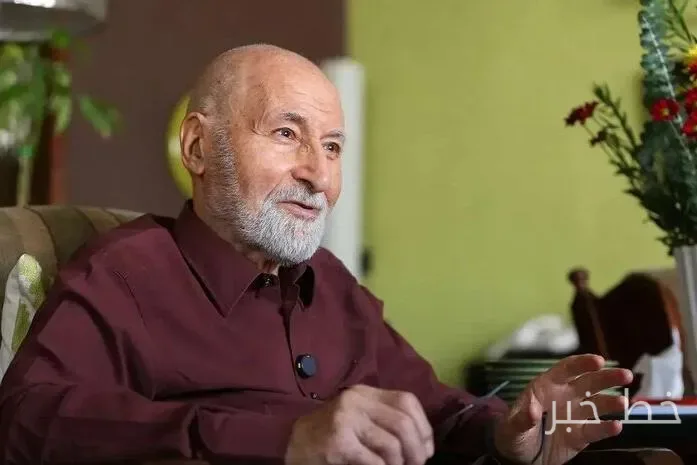
Behzad Nabavi considered the Islamabad memorandum a valuable agreement in the path of Iran's diplomacy and said: "The Islamabad memorandum might be one of the best, most balanced, and rational agreements that we could achieve with a foreign party both before and after the victory of the Islamic Revolution."
Praise for the Negotiating Team
Nabavi, referring to the difficulties of reaching an agreement with the Donald Trump administration, praised the Iranian decision-makers and negotiators, saying: "Mr. Dr. Pezeshkian, Mr. Ghalibaf, Mr. Dr. Araqchi, and the negotiating team truly bravely advanced this case and signed the Islamabad agreement."
Read more: China is the only credible player in the Iran-U.S. agreement
He also thanked the overwhelming majority of the Supreme National Security Council members and considered prioritizing national interests over factional biases as one of the factors leading to this memorandum. This political activist emphasized the economic and diplomatic potentials of the Islamabad agreement, believing that subsequent developments hindered the utilization of its provisions and said: "The provisions of this memorandum genuinely contained tangible openings for the country's economy and a reduction in external tensions."
U.S. Breach of Commitment and Its Impact on the Agreement
Nabavi continued by referring to the initial breach of commitment by the U.S. and subsequent reactions, explaining that even valuable agreements do not yield results without considering the surrounding political and field conditions. According to him, these developments disrupted the implementation process of the memorandum and effectively placed it in a state of suspension and stagnation.
Despite defending the essence of the agreement, he emphasized that continuing the current situation without revising tactics is not very helpful. Nabavi, referring to the U.S. breach of commitment in the first step, believes Iran could have used legal and diplomatic tools to increase the cost of Washington's breach.
He stated: "We could have put the other party in a bind for its violation by using legal tools, diplomatic statements, activating intermediary countries, and applying political pressure on the global community, thereby raising the cost of breach of commitment."
Nabavi also considered attacks on ships as a factor that, according to him, changed the international political atmosphere against Iran and added: "Interestingly, as far as I am aware and have heard from reliable sources, no entity inside the country officially took responsibility for that action."
This political activist commented on Masoud Pezeshkian's reaction to this incident, saying: "As far as I know, initially, even Mr. Dr. Pezeshkian expressed his discontent and surprise to the military commanders, asking why you took such an action at such a sensitive moment?"
According to Nabavi, military commanders responded that they had no role in this incident and no orders had been issued. He raised the question of which entity was behind this action, concluding that the developments created the grounds for the U.S. to set aside the memorandum.
Nabavi concluded by saying: "The result of this process was that a space was created for the Americans to undermine the agreement, make excuses, and leave the valid Islamabad document unaddressed."
Read more: Shortage of women representatives in the U.S. Congress despite their increasing numbers · The U.S. has bet on a trillion-dollar artificial intelligence