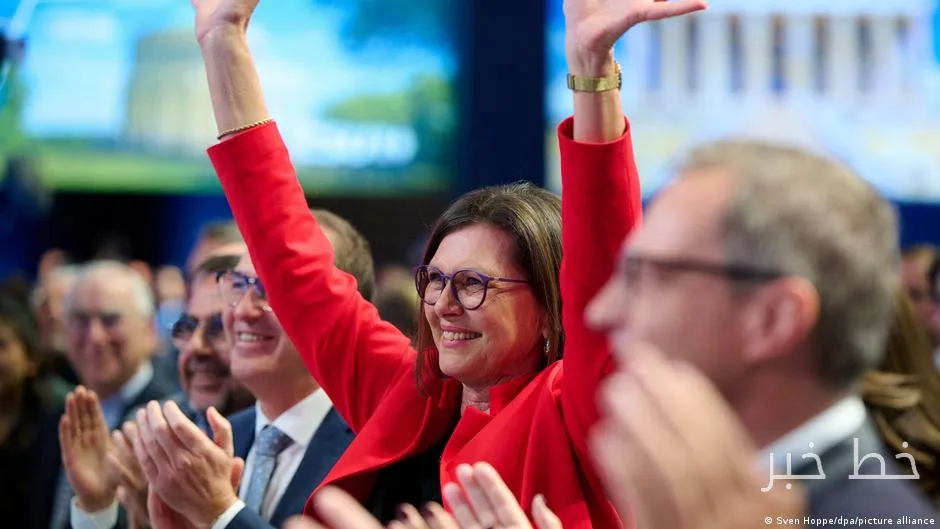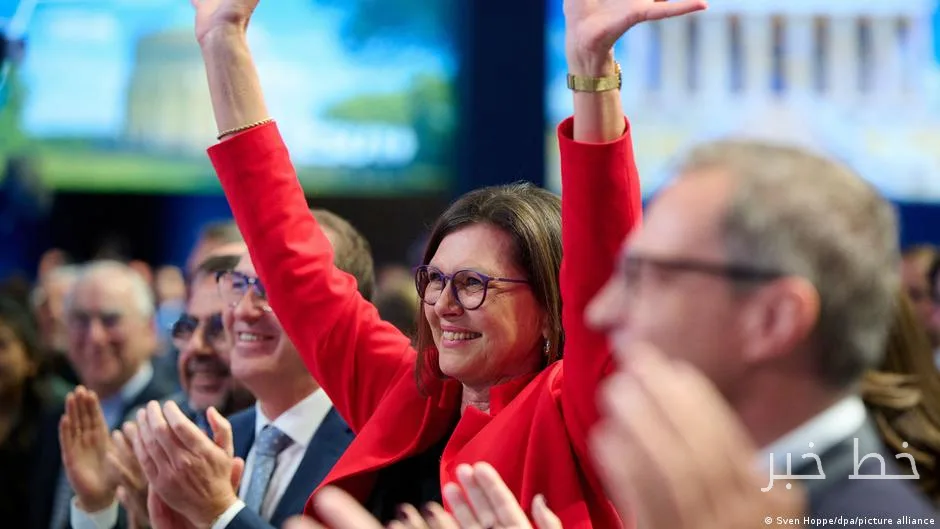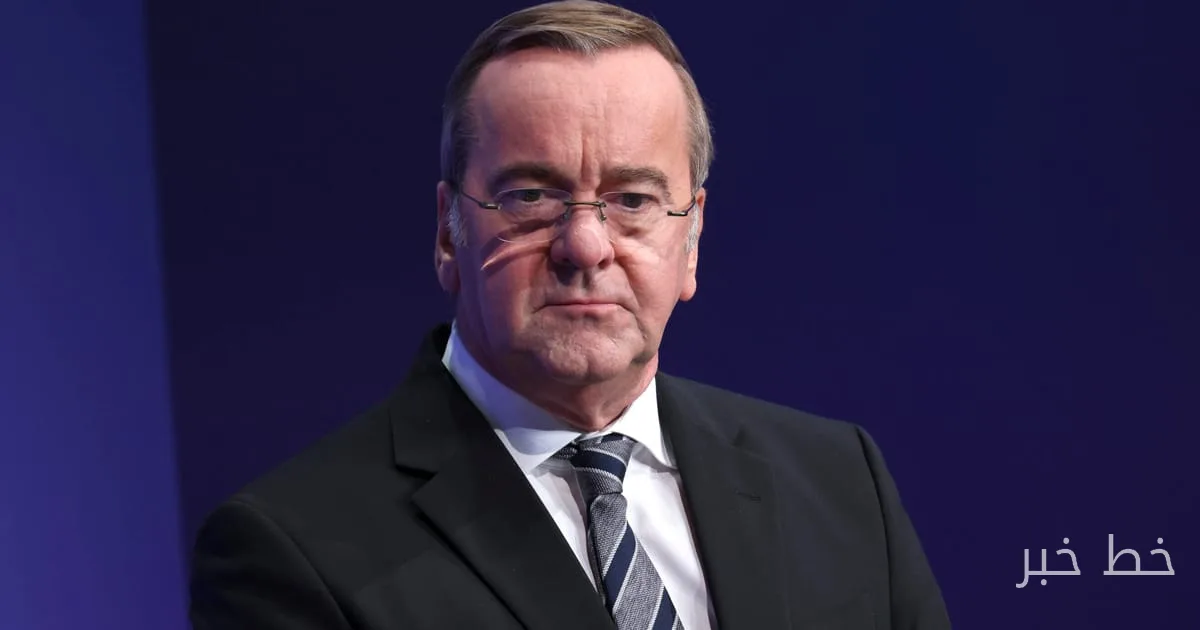
Boris Pistorius, the German Minister of Defense, rejected criticisms about prioritizing Germany's arms industry compared to European defense cooperation at the Berlin Security Conference. These remarks were made in response to criticisms from Marie-Agnes Strack-Zimmermann, the Chair of the European Parliament's Defense Committee, who accused Germany of focusing too much on domestic production.
Emphasis on Defense Cooperation
Pistorius stated that Germany is seeking more cooperation in defense and, like other countries, is concerned about the state of its industries. He said: "Everyone equally says that we need more cooperation and joint arms projects. But in practice, every country seeks to support its own industries." His remarks highlight the existing challenges in defense cooperation within the European Union.
Read more: Christine Lagarde Resigns as President of the European Central Bank
Challenges of European Cooperation
Currently, EU countries are striving to build stronger armed forces and procure weapons jointly. However, governments still attempt to maintain their domestic jobs and factories. According to statistics, EU countries are expected to spend about 115 billion euros on military equipment by 2025, with 24 percent allocated for joint procurement. Brussels aims to increase this share to at least 40 percent by 2030.
To achieve this goal, the EU has launched the SAFE program with a budget of 150 billion euros for arms loan facilities. However, many governments refrain from awarding large arms projects to companies outside their own countries. For instance, the Polish government has announced that it intends to spend 89 percent of the 44 billion euros it receives from the SAFE fund to support its domestic industry.
Pistorius defended this approach by stating that governments have a responsibility to support their economies and industries. In response to Strack-Zimmermann's criticism, he stated: "I reject your criticism, and if there is any criticism, it should be directed at all Europeans with arms industries, not just Germany." This issue underscores the challenges in defense cooperation at the European level.
Read more: Rachel Reeves Considers the Future of Britain in the European Union · Bärbel Bas Talks About the Difficulties of Berlin Politics