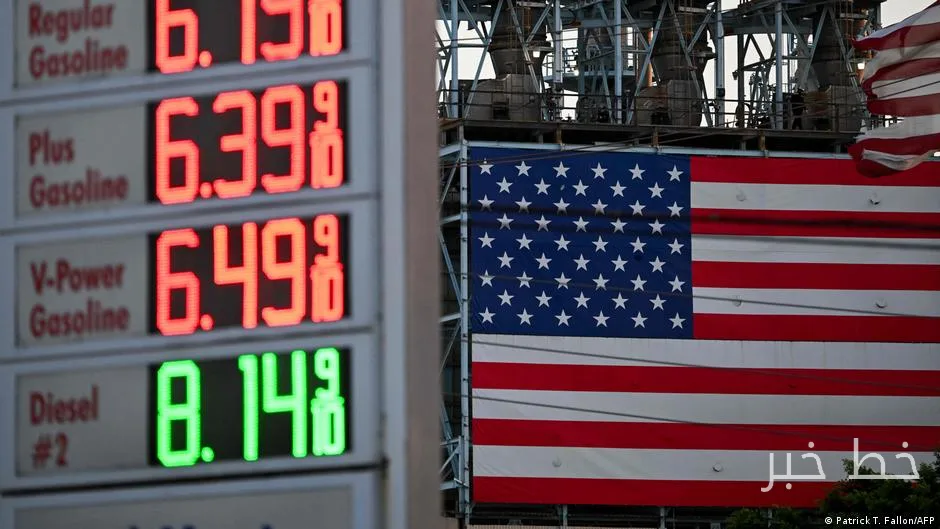
Business, energy, and manufacturing groups in the U.S. on Wednesday urged President Donald Trump to reject calls for a diesel export ban. This request was made after Trump announced he was considering this action to reduce rising fuel costs.
Concerns Over Ban Consequences
More than 30 different groups emphasized in a letter to Trump that a diesel export ban could have serious consequences on domestic markets as well as on fuel costs. These groups noted that such a move could limit diesel supply in global markets, consequently driving up prices.
Read more: Democrats and Trump Collaborate to Permanently Remove Debt Ceiling
The signatory groups of this letter include the U.S. Chamber of Commerce, the National Association of Manufacturers, and other industrial organizations representing the interests of billions of dollars in the energy and manufacturing sectors in the United States. These groups warned Trump that export restrictions could hinder investment in this sector and, in turn, harm employment and economic growth.
Economic and Social Impacts
According to these groups, the decision to ban diesel exports could lead to reduced competition in the domestic market and affect consumer interests. They also stated that this action could lead to increased fuel prices in the United States, putting more pressure on households and businesses.
Business groups also called for the government to seek other ways to reduce fuel costs instead of limiting exports. They suggested that the government invest in infrastructure and new technologies to enable cheaper fuel production.
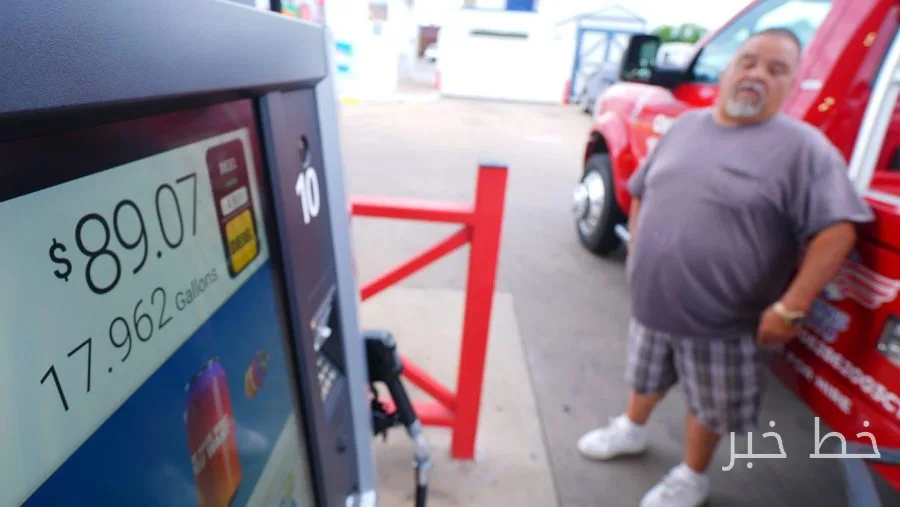
Given the rising fuel prices in recent months and concerns about their economic impacts, this issue is at the forefront of media and official attention. Trump, considering the growing concerns about living costs, is looking for ways to reduce these expenses, but business groups warn of the potential consequences of a diesel export ban.
Read more: The European Union Approaches Trade Agreements with Six Southeast Asian Countries · Ashley Hinson Calls for Immediate Congressional Return to Address Diesel Prices