The European Union (EU) and several Southeast Asian countries are nearing agreements on bilateral trade, and if current deadlines are met, this European bloc will conclude agreements with six of the 11 member countries of the Association of Southeast Asian Nations (ASEAN) by the middle of next year.
Existing and Negotiated Agreements
Free trade agreements with Singapore and Vietnam are currently being actively implemented. Negotiations with Indonesia have concluded, and Jakarta intends to sign this agreement in October, with implementation planned for early 2027.
Negotiations with Thailand, which resumed in 2023, have reached nine rounds, while Malaysia also resumed talks in early 2025 after a 13-year hiatus. Both agreements are expected to be finalized by the end of this year or early 2027.
Development of Trade Relations
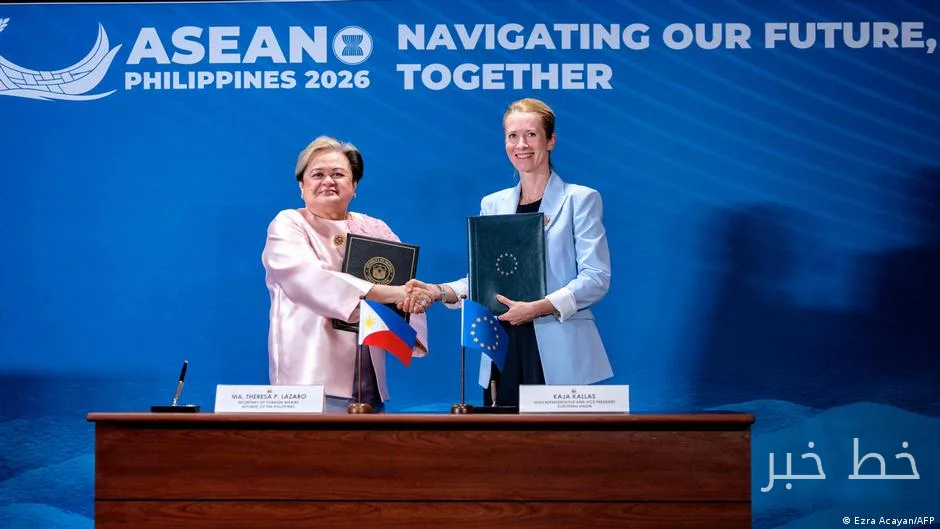
Earlier this week, the EU and the Philippines announced that they have reached "significant agreements" in the area of free trade, moving towards formal finalization in the coming months. Chris Humphrey, Executive Director of the EU-ASEAN Business Council, described the EU's cooperation with ASEAN on trade and investment as being at its highest level.
Trade in goods between the EU and Southeast Asia reached €274.9 billion ($313.7 billion) last year, an increase of about 6% compared to the previous year and more than 50% higher than the €177.9 billion recorded in 2016.
The Association of Southeast Asian Nations is now recognized as the EU's third-largest trading partner outside of Europe, following only the United States and China.
This week, Manila hosted the ASEAN-EU Business Summit and the 22nd meeting of ASEAN Economic Ministers and the European Union Trade Commissioner. The two blocs agreed to further cooperate to protect themselves against increasing geopolitical tensions, including unilateral trade actions and regional conflicts.
Berlin is expanding its network of trade agreements globally to access new markets and create more resilient supply chains. Southeast Asia is at the center of supply chains for semiconductors, electronics, electric vehicles, and batteries in this regard.
Read more: Belarus cannot supply large quantities of potash to the United States