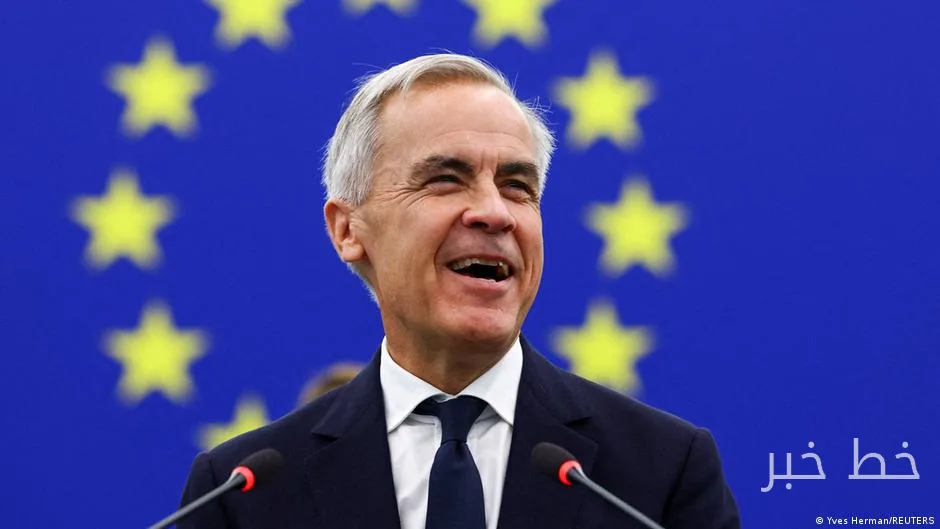
Canada and the European Union are looking for ways to strengthen their cooperation. Ursula von der Leyen, President of the European Commission, stated that the two entities "see the world together" and share common views on human rights, individual freedom, and democracy.
Proposal for Special Membership for Canada
Mark Carney, Prime Minister of Canada, expressed that "our commitment to the rule of law and the defense of human dignity has deep common roots." In this context, von der Leyen suggested that Canada could be the first partner country of the European Union. However, the concept of partner membership has not yet been formally defined, and it is unclear what this membership would entail.
Read more: Ursula von der Leyen Proposed Associate Membership for Canada
Experiences of Other Countries with the European Union
Countries like Switzerland and Iceland are examples of close relations with the European Union without being full members. Switzerland collaborates well with the Union due to over 120 bilateral agreements, covering topics such as trade, transportation, and security.
Iceland, as a member of the European Free Trade Association (EFTA), also has connections with the European Union. These countries are linked to the EU's internal market and enjoy the freedom of movement for people, goods, and services within the Schengen area. However, they do not play a role in the EU decision-making process and do not use the Euro.
In contrast, the United Kingdom, which separated from the Union four years ago due to a vote to leave, now faces restrictions in accessing the EU market. Tough and lengthy negotiations for a trade agreement and cooperation between the UK and the EU have continued in recent years.
Challenges on the Path to Membership
The proposal for special membership for Canada comes at a time when negotiations for the accession of other countries to the Union are also ongoing. Countries like Ukraine, Serbia, and Montenegro are currently in the process of negotiating membership. These countries must first be officially designated as candidate members and then enter the negotiation process.
Ultimately, a country is only accepted into the European Union when an agreement is signed and approved between the European Commission, the European Council, and the European Parliament. This process can be time-consuming and complex, but the goal of the European Union is to create broad and effective cooperation with other countries.
Read more: Germany and Spain Compete in the EU Budget Battle · Mark Carney Emphasized Strengthening Canada-EU Relations