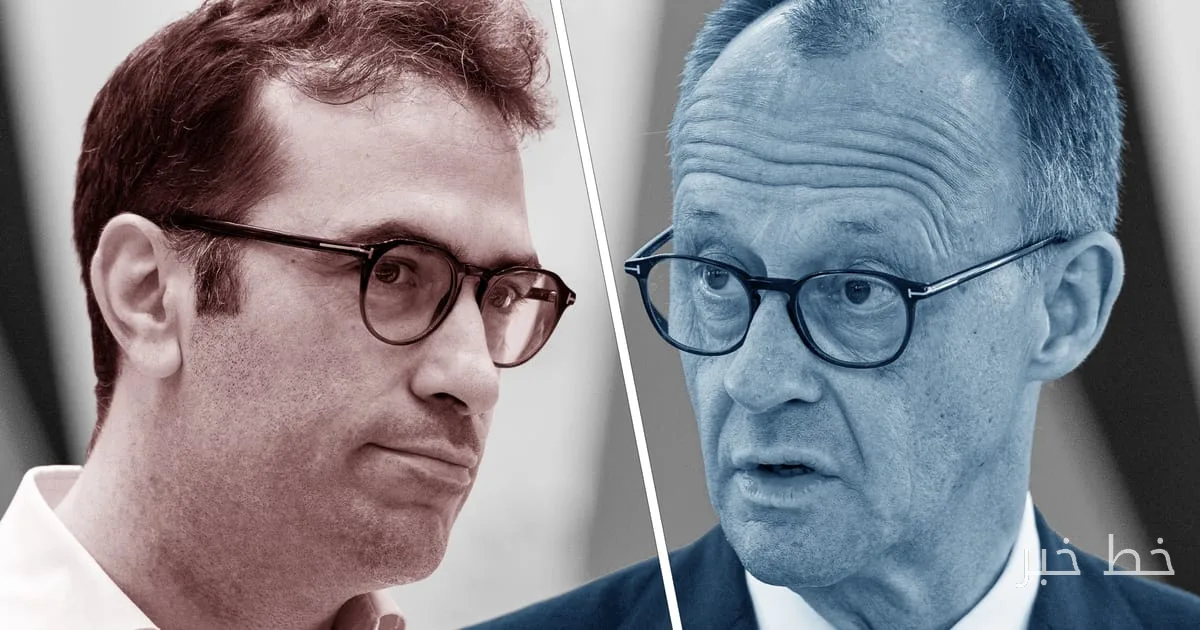
Germany and Spain have separately discussed the size of the new European Union budget, which will be around 2 trillion euros for the next seven years, and this topic has set the stage for difficult negotiations to reach an agreement before the end of this year.
Competition to Preserve National Projects
As negotiations approach their final stages, various countries are seeking to preserve their national projects and prevent tax increases for their citizens. However, nearly a year into tough negotiations, it seems that countries are still far from a final agreement, and disagreements have intensified significantly.
Read more: Marine Le Pen rejected financial aid to Ukraine
Spain's Proposals and Germany's Reaction
Carlos Carbo, Spain's Minister of Economy, called for an increase of hundreds of billions of euros to the EU's common fund and suggested delaying the repayment of post-COVID debts to free up 11 billion euros per year for agricultural, defense, and competitiveness expenses. He emphasized that the long-term budget should be 2 percent of the EU's GDP.
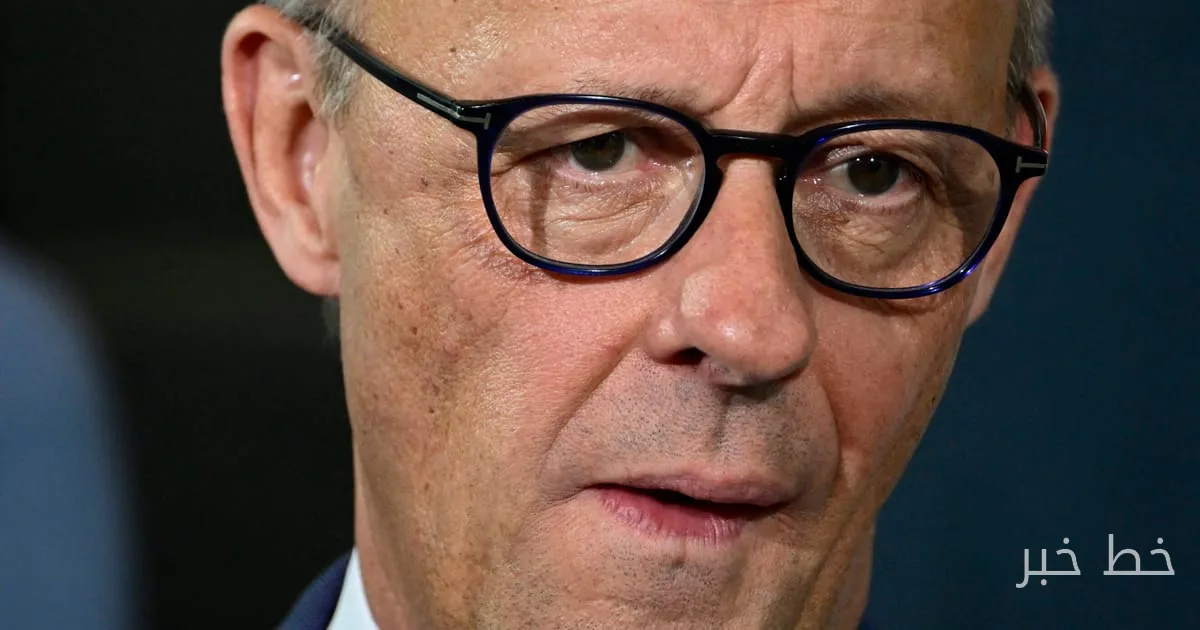
On the other hand, Friedrich Merz from Germany and other leaders from Denmark, the Netherlands, Austria, and Finland firmly rejected these proposals, stating that increasing costs and debts is not a solution but rather a problem. They believe that the tax burden on citizens should be reduced.
This issue has put significant pressure on Ireland, which currently holds the rotating presidency of the EU Council, to consider hundreds of billions of euros in cost reductions in its new negotiation documents in October.
Officials involved in the negotiations, who requested anonymity due to the confidentiality of the discussions, say that more moderate cuts are being considered as a more likely outcome. While the current plan requires EU countries to pay 25 billion euros each year, critics find this approach restrictive.
Ultimately, Carbo's proposal to delay the repayment schedule may serve as a last-minute solution to help reach an agreement in December.
Read more: Ursula von der Leyen introduced new EU plans · Trump administration threatened further sanctions against the EU