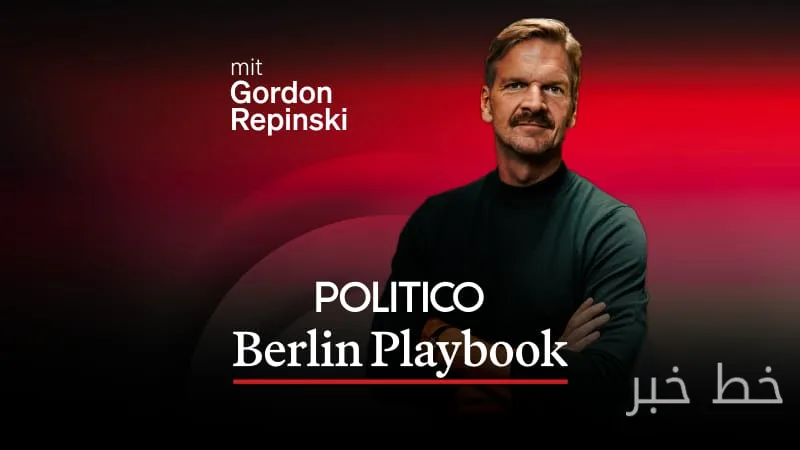
Carlo Masala, a professor of international politics at the Bundeswehr University Munich, has conducted an in-depth examination of the escalating tensions between Russia and NATO. These tensions include cyberattacks and military operations directly related to Ukraine and European countries. Masala discusses Russia's objectives in this context and the effects on European security in an interview with Gordon Repinski.
Russia's Objectives in Escalating Tensions
Masala states that the main goal of the Kremlin with these actions is to instill fear and concern among Western countries and reduce their support for Ukraine. He explains that Vladimir Putin, the President of Russia, is trying to strengthen his power in the region by increasing military risks and intimidating NATO countries.
Read more: Trump Administration Achieved New Victories Using the Shadow Docket of the Supreme Court
This university professor believes that any attack on NATO forces or German territory could lead to an emergency situation and military response. Meanwhile, NATO must seriously anticipate possible reactions and be prepared. Masala also points out that if financial and military support for Ukraine fails, the consequences could be very serious for the entire continent of Europe and its security.
Political and Security Impacts
Pressure on Kyiv is also increasing, and Masala predicts that with the possibility of Donald Trump returning to power in the United States, Ukraine may be forced into painful agreements. This situation could work in favor of Russia, allowing them to alter political developments to their advantage.
Additionally, the year 2027, as a major election year in Europe, presents a unique opportunity for Russia to influence political trends. Meanwhile, the space for diplomacy and peace negotiations may be seriously affected.
Ultimately, Carlo Masala highlights the serious consequences that these tensions could have for European security in this discussion and emphasizes the need for greater cooperation among Western countries to address these challenges.
Read more: Greg Stanton Considers Republicans Lacking Forward Momentum · Ukraine Advances on the Eastern Front and Captures Over 250 Prisoners of War