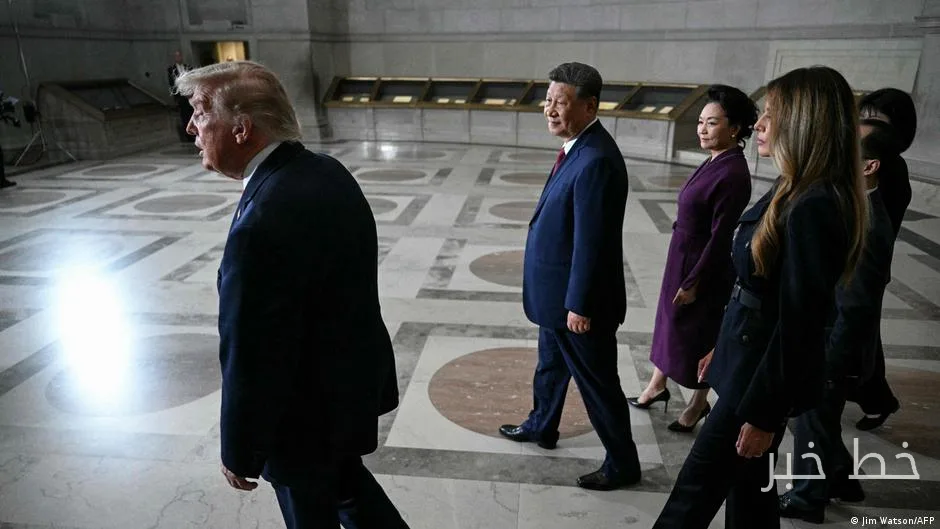
China and the United States have agreed to establish a communication channel for incidents related to artificial intelligence. This agreement came after a three-day meeting between Donald Trump and Xi Jinping in the United States.
Agreement on Tariff Reductions
The U.S. government announced that the country and China have agreed to reduce tariffs on approximately $30 billion worth of non-essential goods. These goods include agricultural products and holiday decorations. Trump described this meeting in an online post as "friendship, strength, and success" for both countries.
Read more: Flock Safety announced platform changes ahead of Senate meeting
Military Talks and AI Safety
Xi Jinping, the President of China, cautiously stated that both sides agreed on "strategic stability based on respect, fairness, and reciprocity." The Chinese Foreign Ministry confirmed that the two countries also agreed to establish a "communication channel" for AI incidents, stating that AI technologies are continuously developing and all parties can strengthen exchanges and engage in discussions under new circumstances.
New discussions on artificial intelligence are set to take place in November. China also announced that the two countries will accelerate their work on military crisis communications, although no further details were provided.
Trade Issues and Other Negotiations
The U.S. also announced an agreement to extend the "trade ceasefire" that was reached during the Trump-Xi meeting in Busan last October. This agreement, which included suspending China's control over rare elements and reducing U.S. tariffs on certain goods, was set to expire on November 10. According to Scott Pessen, the U.S. Treasury Secretary, this agreement will remain in effect until January.
During these negotiations, U.S. concerns regarding the supply of rare minerals were also addressed, and China agreed to import at least 10 million tons of coal from the U.S. in 2027 and 2028.
The Trump administration also confirmed that the issue of the Iran war was on the agenda of these negotiations, although no major progress has been reported in this regard. However, the Chinese Foreign Ministry stated that both sides agreed that Iran should not possess nuclear weapons and that no country should impose tolls on international waterways, including the Strait of Hormuz.
Trump and Xi are expected to meet two more times by the end of the year, with the expectation that Trump will attend the Asia-Pacific Economic Cooperation summit in China in November and Xi will return to the United States for a G20 meeting in December.
Read more: The U.S. State Department instructed diplomats to change the term artificial intelligence to superintelligence · Concerns of Republican senators about Trump's reception of Xi Jinping