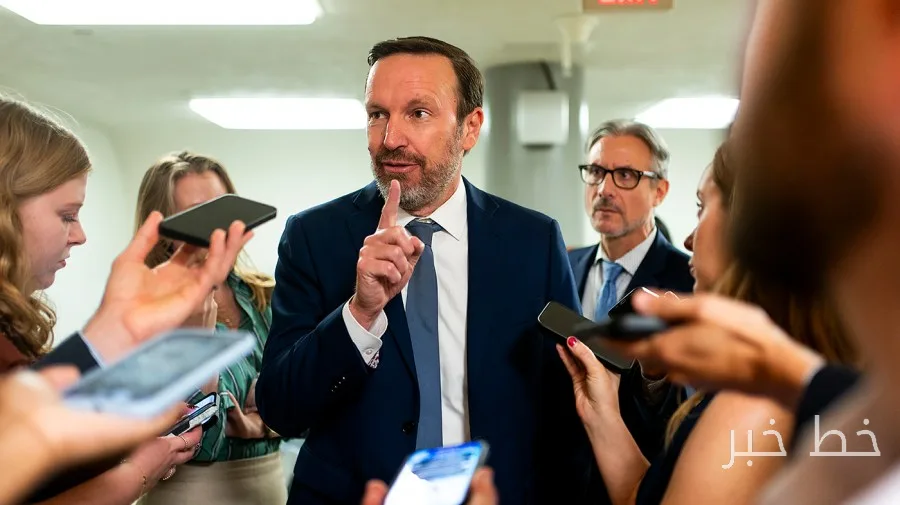
Chris Murphy, the Democratic Senator from Connecticut, traveled to the Middle East last week to expose the damages caused by the Iran war. This trip was aimed at drawing attention to the negative impacts of the war and criticizing the Trump administration, which has been accused of trying to cover up these realities.
Details of the Trip and Its Objectives
Murphy, who is a member of the Senate Foreign Relations and Appropriations Committees, traveled to Qatar to meet with local officials and representatives of non-governmental organizations. In these meetings, he examined the humanitarian and economic consequences of the Iran war on the region and sought to attract global attention to this issue.
During his trip, Senator Murphy referred to the consequences of the war for the people of Iran and neighboring countries, emphasizing the need for transparency regarding information related to the war. He stated that the Trump administration, instead of providing real information, is trying to distort the facts to create a positive image of the situation.
Political and Social Consequences
This trip could have significant political repercussions. Murphy, emphasizing the need for a change in U.S. foreign policy, is trying to encourage his colleagues to take stronger positions against war and military interventions. As tensions in the Middle East rise, Murphy warned that ignoring these issues could lead to dire consequences.
Analysts believe that Murphy's actions could help create pressure on the current administration as well as future governments to adopt a more humane and prudent approach to foreign policy. These actions could also provoke public reactions and lead to a new discourse on war and peace in the United States.
By traveling to the Middle East, Chris Murphy aims to familiarize himself with the realities of the region and raise public awareness about the problems and challenges arising from the Iran war. His initiative could serve as a model for other congressional representatives who emphasize diplomacy and dialogue over war policies.