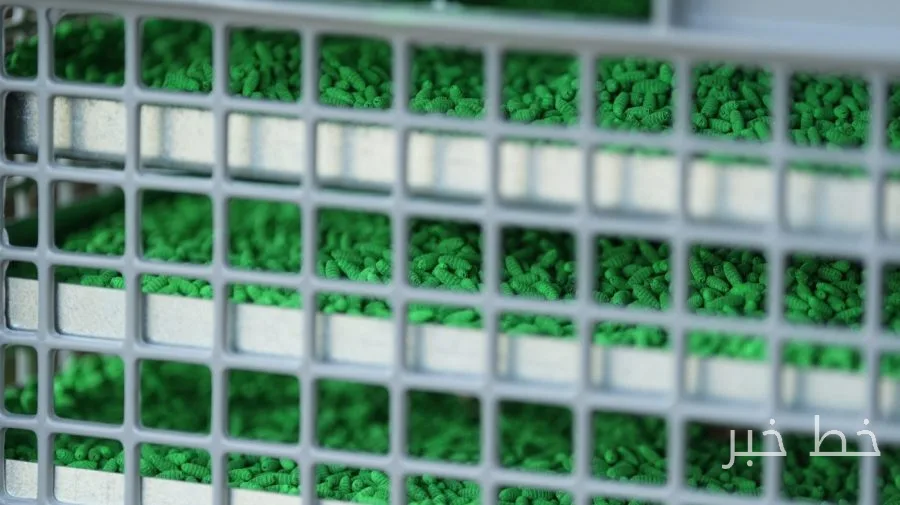
A new case of the global twisted worm infection has been confirmed in a horse in New Mexico on Thursday. This case was identified a few days before the state of New Mexico was set to resume livestock imports from Mexico. The infected horse was located in Grant County, near the Mexican border.
Details of the New Case
According to the New Mexico Department of Agriculture, this is the second confirmed case of twisted worm infection in New Mexico. The first case was identified earlier this year, and following that, public health and agriculture officials have been closely monitoring the status of livestock in the area.
Economic Implications
Given the negative impacts that this type of infection can have on the livestock industry, New Mexico officials are concerned that this issue may lead to delays in the resumption of livestock imports from Mexico. The livestock industry in this state is heavily dependent on imports from Mexico, and any disruption in this process could have serious effects on the local economy.
The global twisted worm, recognized as a dangerous pest, can quickly harm animal populations and necessitate serious control measures. This infection can spread rapidly, especially in border areas where livestock movement occurs between the two countries.
Preventive Measures
New Mexico agricultural and health officials are implementing programs for monitoring and controlling the disease. These programs include regular testing and continuous monitoring of livestock conditions to prevent the spread of this infection. Additionally, educating farmers to recognize early signs of the disease and necessary actions in case of its occurrence is part of these programs.
In this regard, officials have advised farmers to closely monitor the health of their livestock and to take immediate action if any unusual signs are observed. These measures can help maintain the health of the livestock population and prevent the spread of infection.
Read more: New York State Health Department launches dashboard to track measles