Fighting in the Tigray region of Ethiopia is intensifying, and civilians in these areas are severely affected. As the conflict escalates in northern Ethiopia, little information is available about the current situation due to widespread disruption of internet and communication services.
Civilian Casualties
Eyewitnesses report an increase in human casualties in these conflicts. A 22-year-old woman from the small town of Selnoha said that her family members were taking shelter at home when suddenly heavy weapon attacks occurred at their residence. She said, "I have lost six members of my family. Those who survived the attack, including the injured, are currently trapped in their homes and have no access to medical services or transportation. The nearest medical facility is also very far away."
Read more: Trump continues his midterm tour in Republican states in Nebraska
According to local reports, several violent incidents have occurred in recent days, particularly in the border area between Tigray and Amhara, with multiple reports of civilian deaths due to artillery fire.
Advances of Military Forces
The strategic situation on the ground is generally difficult to assess, as both rebel and government forces have reportedly made advances in various areas. Sources in Tigray have stated that the Ethiopian National Defense Forces (ENDF) are advancing towards the regional capital of Mekelle. Tigray forces are also reportedly fighting to defend other cities, including Mekoni and Maychu.
Pro-government militia groups and related media in the country previously reported that the ENDF has made significant advances in capturing the city of Alamata in southern Tigray. This control was recorded on September 27, and Alamata, located about 120 kilometers from Mekelle, is situated on a major highway.
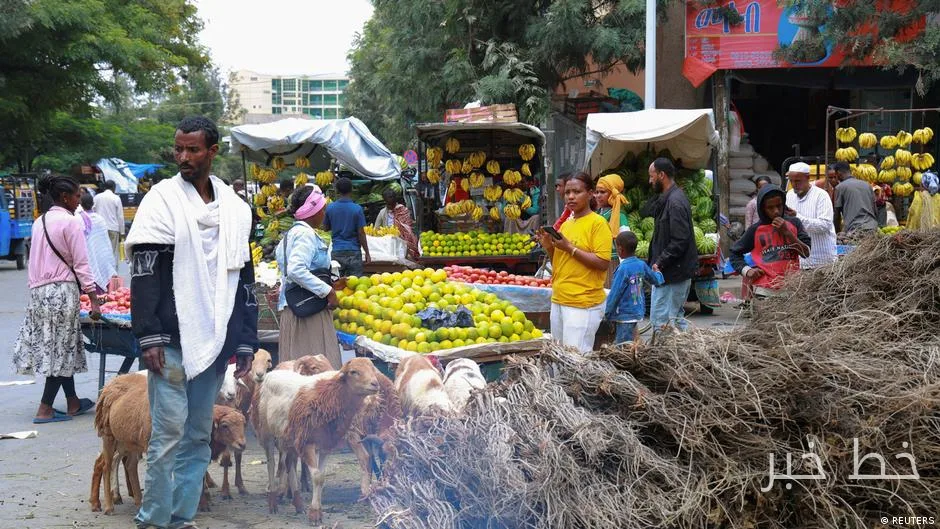
A 40-year-old resident of Alamata said that civilians have been deliberately targeted and referred to statements from militia members in the area. He said, "These attacks... were retaliatory actions against the people of Alamata." Another resident, 45 years old, added that the attack was deliberately planned during peak market hours, "when a large number of people gather there." In the Saturday market in Alamata, 11 people were killed and 15 injured.
Overall, these claims cannot be independently verified. Currently, an ENDF spokesperson has not been available for comment.
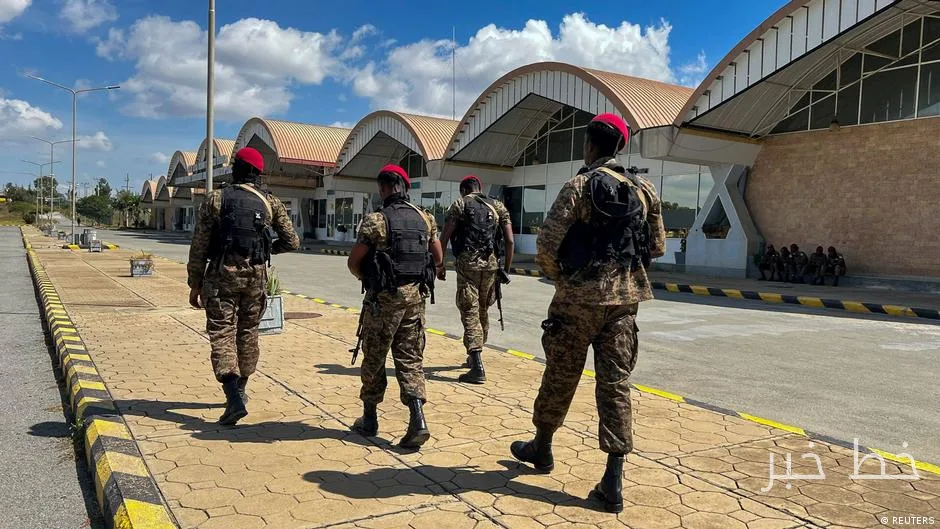
Intense fighting began on September 23, when Tigray forces seized the airports of Mekelle and the regional centers of Axum and Shire. Three days earlier, the Tigray People's Liberation Front (TPLF) and six other armed groups announced a new alliance to overthrow Abiy Ahmed's government.
The federal government and Tigray forces have accused each other of initiating this new escalation, with both sides describing their military operations as defensive.
According to various sources, between 162,000 and 600,000 people were killed in the brutal 2020-2022 war over the political status of the northern Tigray region. This war ended in November 2022 with the Pretoria agreement, but many key provisions have yet to be implemented, and major disputes remain.
Given the power struggles within the TPLF and the loss of the party's legal status, tensions have gradually increased, leading to new conflicts between Tigray and government forces since August 2026.
Local residents are preparing for further conflicts, while organizations like the International Committee of the Red Cross (ICRC) have only been able to evacuate a few individuals trapped in these conflicts.
Due to reports of damage to civilian infrastructure, disruption of essential services, and the severing of communication and transport routes, observers are concerned about the situation of residents not only in Tigray but throughout northern Ethiopia.
Emdegeral Admasu, an Ethiopian lawyer specializing in political and legal affairs, referred to reports indicating that fighters are damaging public facilities, including hospitals, schools, and religious institutions. He said, "We are witnessing instances where these facilities — which also serve as shelters for residents — are either accidentally targeted or deliberately attacked."
Read more: Trump and Xi Jinping's meeting was beneficial for China · Fighting in Tigray, Ethiopia and the Importance of Eritrea