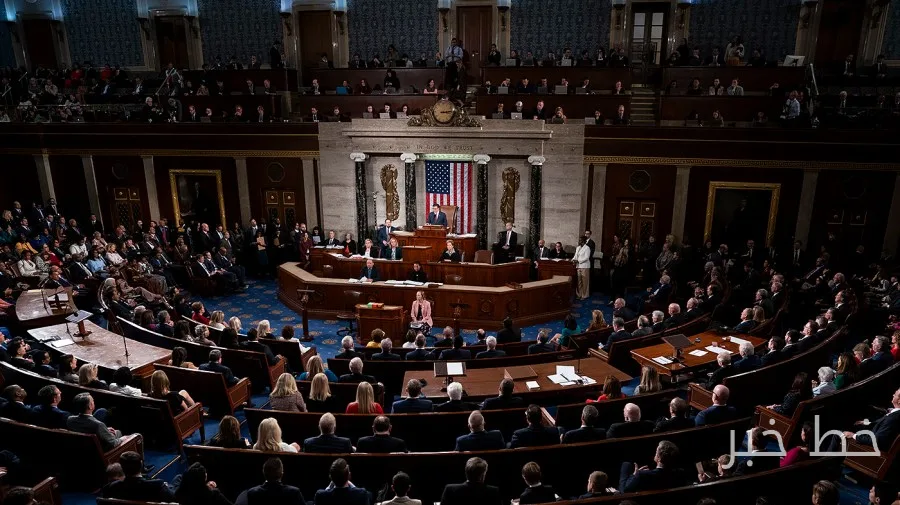
Don Wolfensberger, former head of the House Rules Committee, has examined a historical background in which a House Clerk can disrupt the seating of elected members. This issue becomes particularly significant in times when congressional control is shifting.
Historical Background and Its Impact on Congressional Control
In the history of the U.S. Congress, there are instances where the House Clerk, through their influence, can affect political processes. This examination shows how a clerk can impact legislative and political processes by preventing the seating of new members. This ability may be used to benefit a particular party or to disrupt legislative processes.
Read more: Midterm Election Results Put More Pressure on Trump
Potential Consequences for Congress
If a House Clerk decides to use their powers to disrupt the seating of elected members, this action could have serious consequences for the balance of power in Congress. This situation could favor a particular party and, as a result, affect legislative decision-making. For example, if one party can gain more control over the House in this way, it may be able to advance specific political actions that benefit its members.
Additionally, this issue could lead to public distrust in government institutions. When people see that democratic processes can be disrupted by illegal or indirect interventions, their trust in the political system diminishes. This type of disruption can have negative effects on public participation and accountability in the political system.
Ultimately, Wolfensberger emphasizes that understanding these issues and how House Clerks have operated historically can help us better understand how these individuals can influence political processes and what the implications are for democracy.
Read more: Democrats' Victory Made Ending the Iran War More Difficult for Trump · Working-Class Candidates Win in the U.S. Midterm Elections