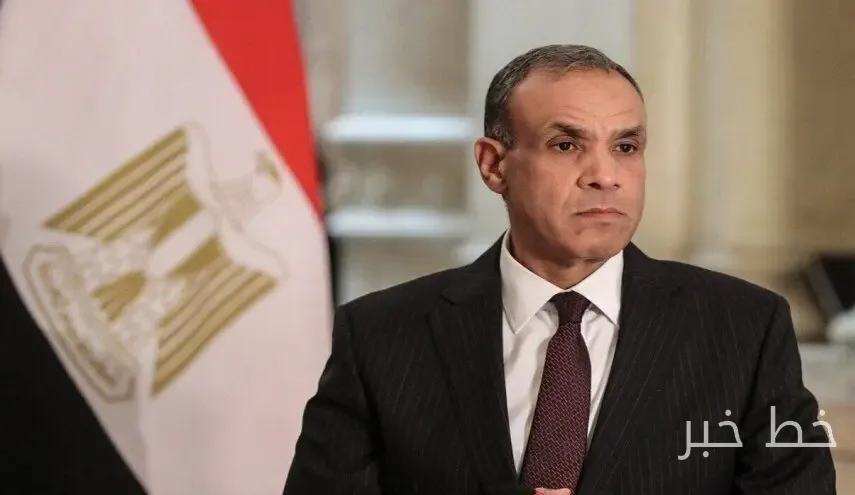
The Egyptian Foreign Minister stated that the main problem in regional tensions is the "lack of trust," and emphasized the need to return to the Islamabad memorandum to reduce tensions.
Consequences of the US-Israel War
Badr Abdelatty announced that his country is among those that have suffered the most from the US-Israel war against Iran. He added that the security of the Persian Gulf is an inseparable part of the national security of Egypt and Arab countries.
Read more: Two giant pandas from China have arrived at the Atlanta Zoo
Need for Collective Steps
Abdelatty emphasized in an interview with Al Jazeera that the main issue in the tensions between the US and Iran is the "lack of trust," and that the solution requires collective steps to reduce tensions and adherence to the memorandum (Islamabad).
Previously, Badr al-Busaidi, the Foreign Minister of Oman, had written on X that he supports a peaceful solution in Yemen and the rights of the Palestinian people, and that Muscat will continue its efforts to protect shipping in the Strait of Hormuz.
Meeting of the Foreign Ministers of Iran and Egypt
Seyyed Abbas Araghchi, the Foreign Minister of the Islamic Republic of Iran, and Badr Abdelatty, the Foreign Minister of Egypt, met and discussed on Thursday, September 23, on the sidelines of the 81st session of the United Nations General Assembly. The Iranian Foreign Minister, in his meeting with his Egyptian counterpart, considered the issue of Palestine to be the greatest humanitarian and moral crisis of the contemporary world and emphasized the responsibility of all countries, especially Islamic countries, to stop the genocide of the Palestinian people.
Need to Strengthen Coordination
Araghchi also referred to the aggressions of the Zionist regime against Lebanon, Syria, and other countries in the region, emphasizing the necessity of strengthening coordination among regional countries, including at the level of the United Nations and the Organization of Islamic Cooperation, to counter the expansionism and aggression of the Zionist regime against the security and stability of the region.
The head of Iran's diplomatic apparatus stated on the sidelines of the UN General Assembly that "our enemies have tried every path, and every path they took led to no result, and there is no way other than a negotiated solution based on dignity, justice, and ensuring the legitimate rights and demands of the people." He said: The only negotiated solution can get them out of the deadlock, and this is our position, and many countries align with this position.
He emphasized that from this perspective, we are in a superior political position because we have never closed the path of diplomacy and negotiations, but we have never compromised on our rights, and whenever our enemies chose another path, we stood firm against it on that path as well.
Read more: Mark Kelly: Trump is facing challenges in dealing with Iran · Donald Trump rejected the Iran peace plan and announced plans to attack Iran after the elections