Ursula von der Leyen, President of the European Commission, announced on Monday that the EU will assist in covering the costs of Black Sea security. This decision was made following recent attacks on commercial shipping in the area, attributed to Russia.
Increasing Threats in the Black Sea
Von der Leyen stated at the beginning of her visit to Romania, "Threats, attacks, and incursions along the Black Sea coast are on the rise." She also announced that the EU will expedite work on the Black Sea maritime security hub and has set a specific timeline for its completion and the allocation of €50 million in funding.
Read more: Jean-Luc Mélenchon is on the verge of the second round of the French elections
Additionally, she announced another €10 million for Romania's search and rescue operations. These amounts seem small compared to the €16.7 billion that Romania will receive under the EU's SAFE arms loan program.
Security and Economic Implications
The goal of this hub is to monitor maritime activities in real-time and protect critical infrastructure such as underwater power and communication cables. This project provides various countries with a unified view of the sea and sky, helping to identify threats before they occur.
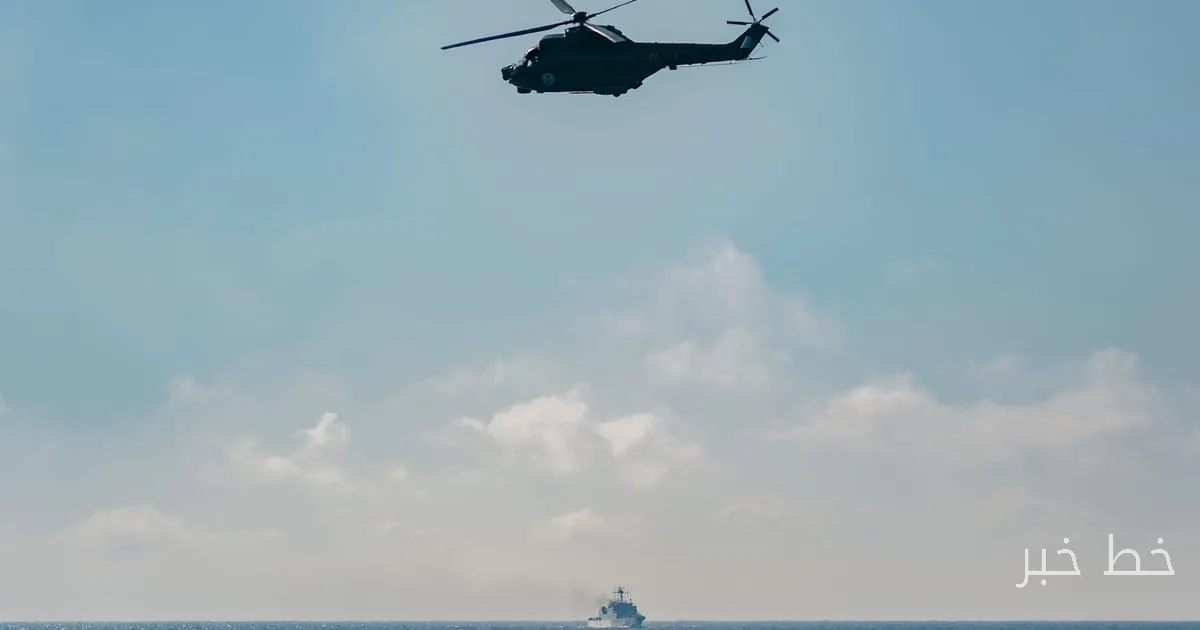
The announcement of this financial aid comes after a rise in violence in the Black Sea in recent weeks. Since early October, at least nine ships have been attacked in the exclusive economic zones of Romania and Bulgaria, both NATO and EU members. Four ships have sunk, and 34 sailors have been killed or gone missing.
Other vessels have also been attacked off the coast of Russia, and Romania and Bulgaria have called for increased security support during a recent meeting of EU leaders. While Romania blames Russia, Bulgaria has been more cautious on this issue.
Von der Leyen also stated that the EU supports Ukraine's request for a ceasefire in the Black Sea and referred to peace negotiations in Abu Dhabi involving Europe.
U.S. Secretary of State Marco Rubio is leading negotiations for a ceasefire in the Black Sea and an agreement on the safe passage of ships. He mentioned that Washington is reviewing Turkish proposals presented in late October and is "open" to ideas from India.
This agreement will not mean the end of the war, but according to Rubio, it will address "a unique aspect" and impact the food security of vulnerable countries.
On October 21, Josep Borrell, the EU's foreign policy chief, announced that the EU is working with Turkey, India, and food-importing countries in Africa and other regions for a navigation freedom agreement. Ukraine has agreed to such an arrangement, but Russia has rejected it.
Read more: 19% decrease in deportation statistics from Germany in 2026