EU leaders in Brussels ended their meeting earlier than scheduled due to severe disagreements over the budget. The meeting, which was held to reach an agreement on the proposed budget for the Union for the years 2028 to 2034, faced serious problems due to a lack of consensus on priorities and financial needs.
Meeting Outcomes and Leaders' Opinions
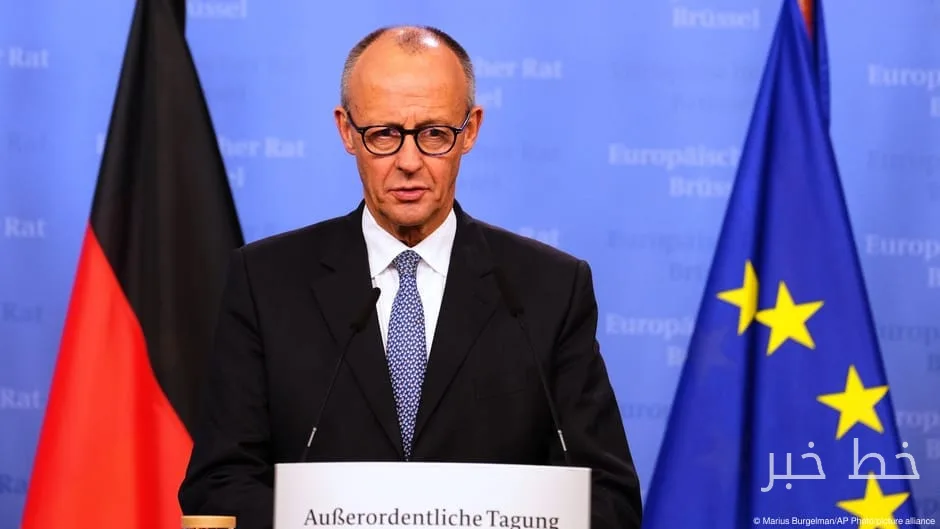
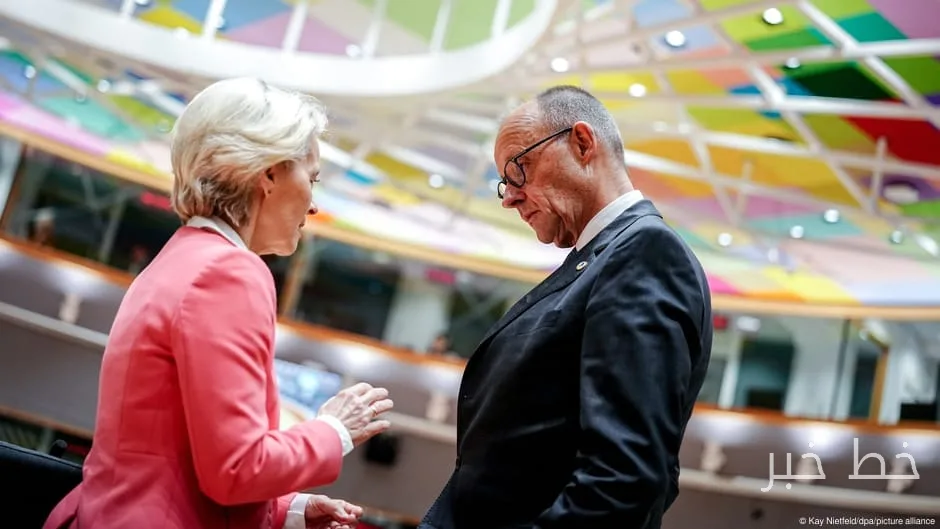
Friedrich Merz, the Chancellor of Germany, announced that instead of holding another session on Friday, the leaders would conduct the final round of negotiations at midnight and conclude the meeting. Merz also stated that the current budget is "still too high" and member countries should be able to cover costs without increasing debt.
Hungarian Prime Minister, Peter Magyar, also expressed disappointment about the possibility of an agreement on Thursday, stating that the chances of reaching a consensus are "practically zero." He mentioned in a post on the social media platform X (Twitter) that there are completely opposing positions at the negotiating table and it seems unlikely that an agreement will be reached in the next round as well.
Budget Challenges and Their Impacts
The EU budget proposal includes a maximum allocation of 100 billion euros for financial support to Ukraine, but diplomats say this figure is significantly lower than Ukraine's needs. Meanwhile, Italian Prime Minister, Giorgia Meloni, warned about the difficulties of reaching an agreement in this regard, stating: "We are years away from a solution. We are not willing to sign a budget where we have to pay more and receive less."
This meeting, recognized as one of the most important rounds of negotiations in the EU, faces serious challenges. While the European Commission has presented an initial proposal with a budget of 1.78 trillion euros, countries are seeking to cut costs and secure their national interests. According to Merz, these negotiations are complex and require a balance between the demands of different countries.
Such meetings are held every seven years and cover topics such as financial priorities, defense spending, research and innovation, as well as agricultural aid and regional development. Given the rapid global changes and the need to adapt to them, these negotiations are of utmost importance.
Read more: EU Leaders Seek Agreement on Long-Term Budget and Support for Ukraine