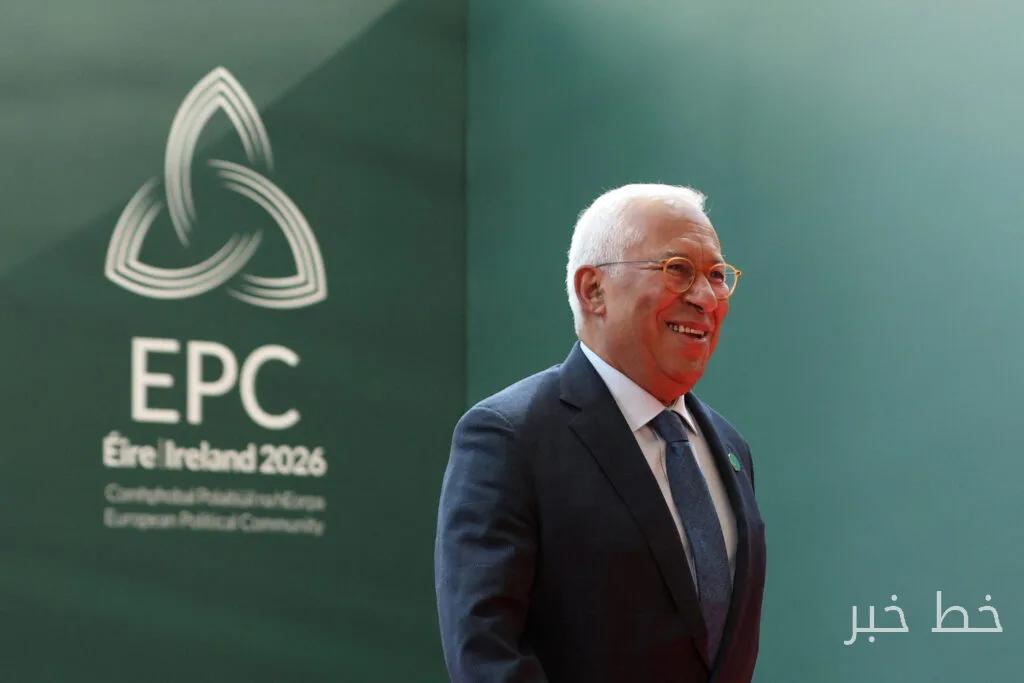
EU leaders gathered in Dublin on Friday amid ongoing disagreements over who should be their representative in the upcoming negotiations regarding Ukraine's future. This meeting follows a day of intense diplomatic activity and it seems that disputes over the representative of this bloc have cast a shadow over the gathering.
Current status of the Ukraine war
Russia's full-scale invasion of Ukraine began in February 2022, and while the Trump administration has ramped up its efforts to mediate an end to the war, the EU increasingly feels sidelined, despite significantly bearing the costs.
Ukrainian President Volodymyr Zelensky met with around 50 leaders from the EU and non-member countries in Dublin on Thursday, warning that Russia is seeking to change Europe's security architecture. He emphasized that European countries must have a voice in the negotiations, especially after two days of Russia-Ukraine-U.S. talks in Abu Dhabi that largely excluded the EU.
Internal disagreements within the EU
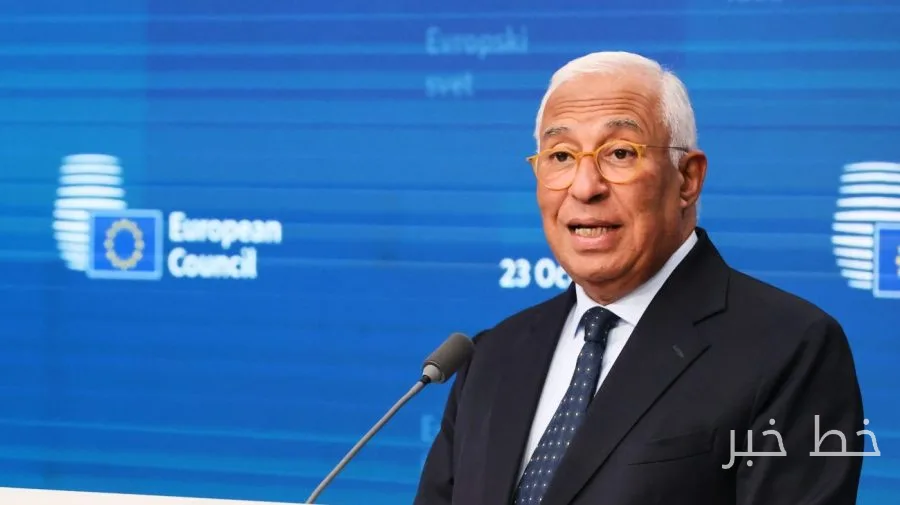
The EU is united on the need to be present in the negotiations as Ukraine's main supporter, but there are disagreements over who should represent the bloc. Diplomats and officials have divided into several groups. In one group, there is increasing support for Antonio Costa, the President of the European Council, whose role makes him a natural candidate to represent the EU.
In another group, there are France and Germany, both reluctant to cede their place at the negotiating table to Brussels. Also in the mix are supporters of Kaja Kallas, the EU's chief diplomat, who some consider an unsuitable candidate for representation due to her tough stance against Russia.
However, Costa is emerging as an acceptable option among EU capitals. With experience as the former Prime Minister of Portugal, he is seen as a neutral representative.
Ultimately, EU leaders are not expected to officially appoint a representative at Friday's meeting, but discussions may lead to a general 'understanding'.
Read more: Hungary eases abortion laws