Europe is gradually and cautiously moving towards the peace council proposed by Donald Trump. Despite existing criticisms and challenges, this action could lead to a transformation in international relations and global policies.
Background of the Formation of the Peace Council
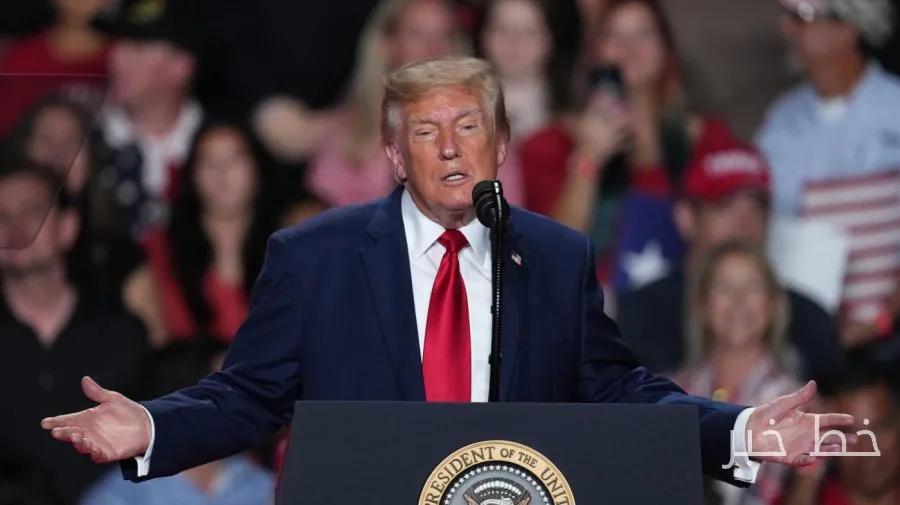
Trump's Peace Council has been proposed to reduce global tensions and create a platform for constructive negotiations between countries. The main goal of this council is to establish peace and stability in crisis-hit areas of the world. This proposal comes at a time when many countries are seeking diplomatic solutions to their problems.
Challenges Ahead
However, Europe's move towards this council is accompanied by challenges. Some countries are concerned that this council may be influenced by Trump's unilateral policies. These concerns are particularly felt regarding how the council will interact with countries like China and Russia, which have complex relations with the West.
On the other hand, some analysts believe that the Peace Council could provide an opportunity for more dialogue between conflicting parties. For this reason, some countries are looking to join this council to express their views and concerns.
Possible Consequences
If Europe joins this council, its foreign policies may change and move towards a more active and moderated diplomacy. This approach could help reduce tensions in critical regions such as the Middle East and East Asia. Additionally, this council could serve as a new platform for international cooperation.
Ultimately, Europe's move towards Trump's Peace Council could have profound impacts on the future of international policies. Given the various challenges and expectations, time will tell whether this council will be able to achieve its goals or not.
Read more: Mahmoud Abbas spoke about peace at the United Nations