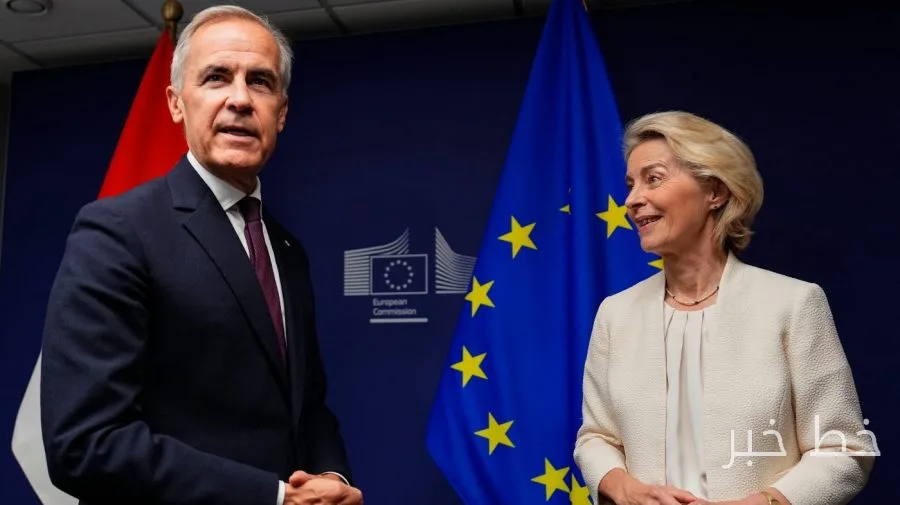
Europe has announced that Canada will be accepted as the first associate member of the European Union. Meanwhile, Turkey, which has been recognized as an associate member for over sixty years, has still not been able to achieve full membership in the European Union. This decision, recently announced by Ursula von der Leyen, President of the European Commission, could lead to major changes in international policies and economic relations.
Acceptance of Canada as an Associate Member
Von der Leyen stated in a statement that Canada is recognized as the "first associate member of the European Union." This decision reflects Europe's willingness to expand relations with countries outside the continent, particularly in areas such as trade and security. Accepting Canada as a close partner could strengthen cooperation in various fields.
Turkey's Challenges for Membership
In contrast, Turkey's status as an associate member is significantly more complicated. This country, which has been a partner in efforts to join the European Union since 1963, has still not been able to achieve full membership. Political and economic obstacles, particularly concerns about human rights and democracy in Turkey, have delayed this country's accession process.
This situation may lead to negative sentiments in Turkey and increase concerns about the lack of attention to this country. Additionally, Canada's acceptance could lead to increased criticism of the European Union, which appears to be seeking closer relations with Western countries while showing indifference to the issues and challenges related to Turkey.
Potential Implications for International Relations
Europe's decision to accept Canada as an associate member and reject Turkey could have profound implications for international relations. This decision may lead to a shift in the balance of power in global policies and prompt other countries to consider establishing closer relations with Europe. At the same time, this situation could lead to greater tensions between Turkey and the European Union, affecting trade and political relations.