Germany and its allied countries opposed Ireland's plan to cut the European Union budget for the next seven-year period and stated that the proposed cuts are not enough.
Criticism of Ireland's Proposals
On Saturday, Ireland's presidency of the European Union Council, which leads the negotiations, proposed a reduction of about 8 percent from the total EU budget from 2028 to 2034. This move was aimed at appeasing a group of countries led by Germany that are seeking cuts of several hundred billion euros in the budget.
Read more: The new EU plan to strengthen Europol using artificial intelligence raises privacy concerns
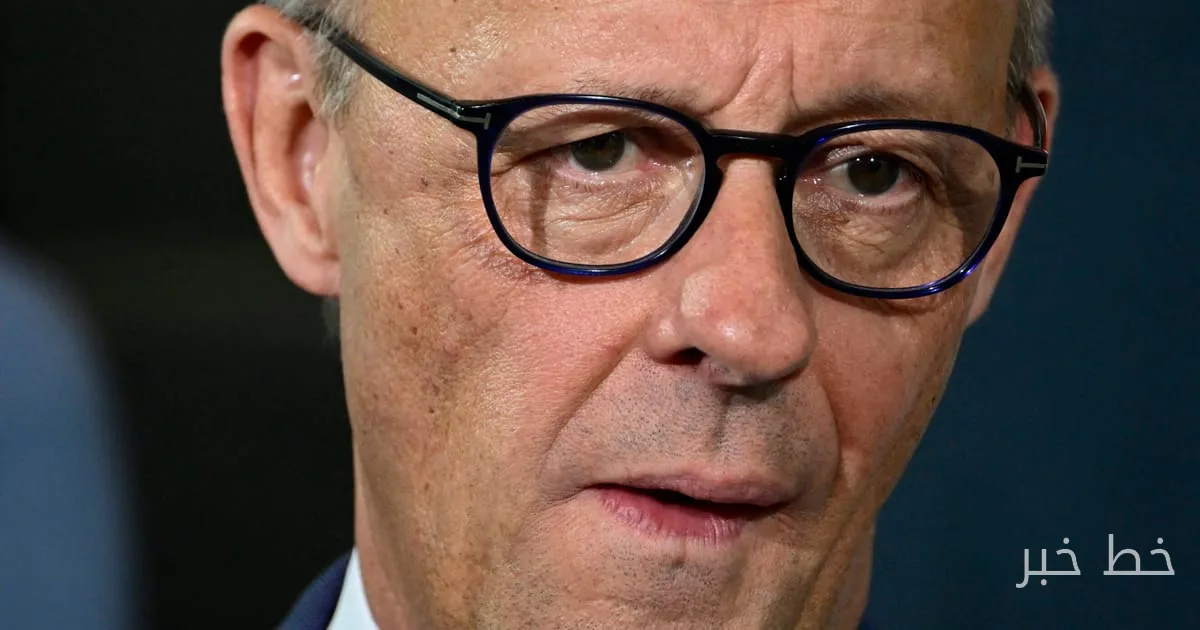
However, Dublin's hopes for facilitating an agreement were immediately met with a negative response from German Chancellor Friedrich Merz. He is a key player in the negotiations and his country contributes about a quarter of the EU's joint budget.
Merz stated in a statement: "We still have a long way to go to reach an agreement. The amount of the new proposal is not a basis for agreement. The EU budget must be bearable for those who bear the financial burden."
The Role of Frugal Countries
Germany leads a group of six "frugal" countries, which includes Sweden, Denmark, the Netherlands, Finland, and Austria, and these countries contribute 40 percent of the EU's joint budget. These frugal countries strongly criticized Ireland's €159 billion cut, stating that this amount is insufficient.
Sweden's European Minister, Jessika Rosengren, described Ireland's proposal on social media platform X as an "unbearable increase" and noted that the total amount is still higher than the current budget. Additionally, Austria's European Minister, Claudia Bauer, joined this criticism, stating that the new budget is "far from Austria's approval."
Tensions will peak at the EU leaders' summit next Thursday and Friday, where they will discuss this proposal.
EU governments are trying to reach an agreement on the budget before elections in France, Italy, and Poland in 2027. However, Dutch Finance Minister Ilko Heijnen warned on Saturday that "at this pace, we will have no agreement by the end of the year."
Conflicting Opinions on Ireland's Proposal
Ireland's Minister for European Affairs, Thomas Byrne, who is leading the negotiations, dismissed the criticisms and described the proposal as a balanced compromise. He told reporters: "The negotiation box is meant to bridge the significant differences between member states."
The European Union is divided between frugal countries that seek overall cuts and a rival group of southern and eastern countries, known as "friends of solidarity," which oppose cuts to farmers' subsidies and regional payments. These areas account for nearly half of the total budget and are politically sensitive.
Read more: Macron and Steinmeier are working to revive France-Germany relations · The EU budget has been reduced by €159 billion