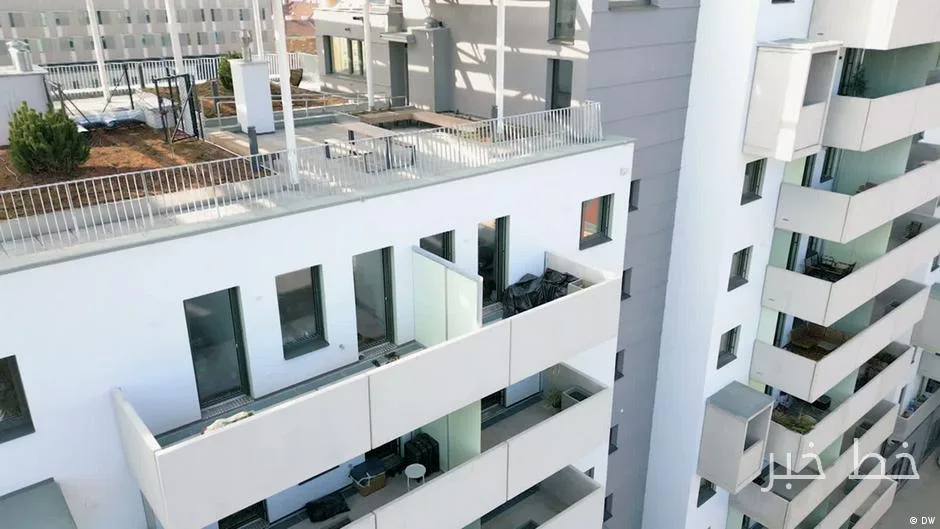
Major cities in Europe, facing increased pressure on the housing market, are looking for solutions to increase the supply of affordable housing. In this regard, Germany's capital, Berlin, five years ago decided in a referendum to limit the power of large real estate companies. According to this referendum, companies that own more than 3,000 residential units were to be nationalized. However, the Berlin Senate did not heed the results of this non-binding referendum, and during this time, the cost of new rents has increased by almost 50 percent.
Victory of the Left Party in the Berlin Elections
In the recent Berlin elections on September 20, the Left Party, which promised to act on the results of the referendum, received the most votes. Now this party must turn its promises into action based on coalition negotiations. This election has once again drawn attention to the severe housing crisis in many cities across Europe.
Read more: The White House Emphasizes the Need for Permit Agreements Before Midterm Elections
Vienna Model and Other Initiatives
The Vienna model is recognized as an advanced solution for controlling rental prices in Europe. This social housing program has been implemented since after World War I and has helped stabilize the housing market in Vienna. According to statistics, about 60 percent of Vienna's residents live in public or subsidized housing. This model has also led to a decrease in prices in the private market.
Some cities in Europe are looking to separate rents from land prices. For example, the city of Basel in Switzerland has placed about 40 percent of cooperative housing units on public land. The city of Barcelona and the capital of Portugal, Lisbon, are also trying to adopt this model.
In Paris, a plan to prevent the displacement of residents in gentrifying neighborhoods has been implemented. The goal of this plan is to increase the share of social housing for low-income groups to 30 percent by 2035. In this context, 61 projects have been identified that could convert vacant office buildings into housing.
The capital of the Czech Republic, Prague, is also seeking to retain essential workers by constructing 660 new apartments for public sector employees. These apartments are designed to have rents that are 20 percent lower than market rates.
Dublin, the capital of Ireland, is also facing similar issues. Following the financial crisis of 2008, many foreign investors purchased properties, leading to a sharp increase in rents. In 2021, the Irish government introduced a cost-rental housing program to assist individuals with moderate incomes. This program aims to provide 18,000 homes with low rents by the end of this decade.
Read more: The Impact of $40 Trillion National Debt on American Lives · French Presidential Candidates Discuss Ukraine and Europe