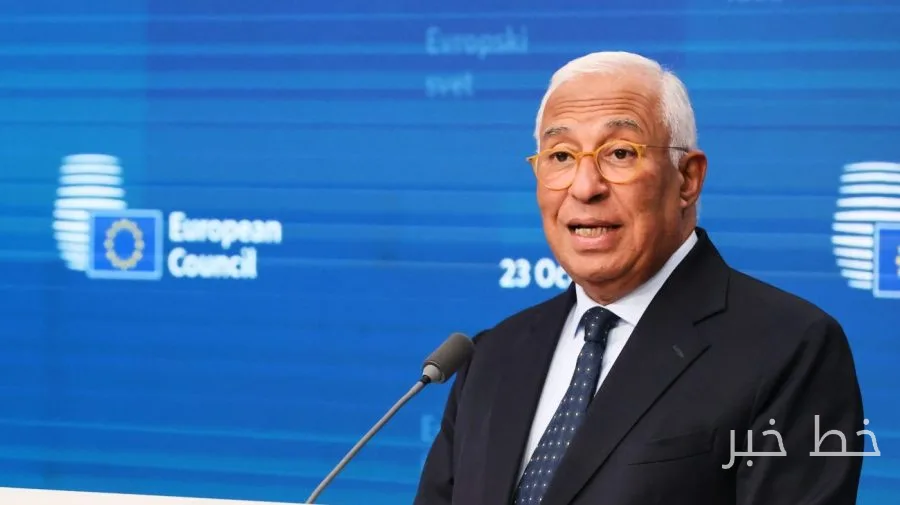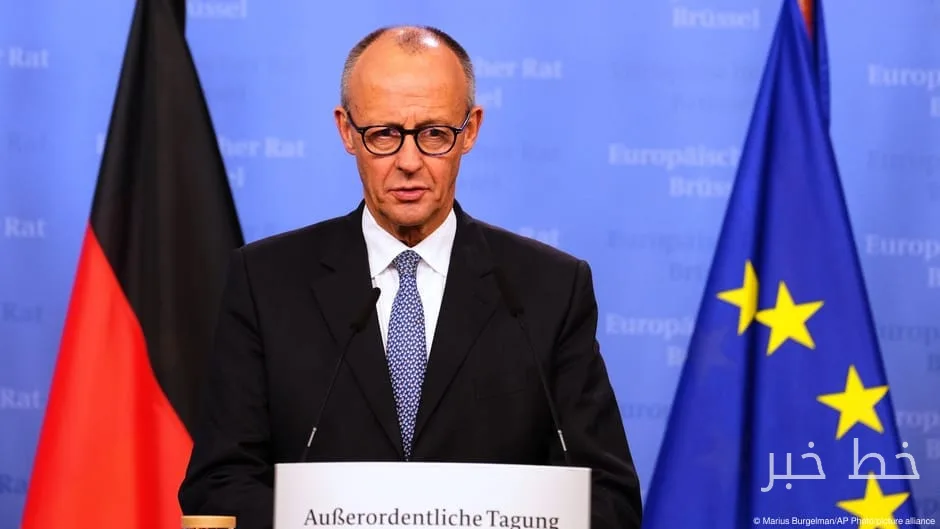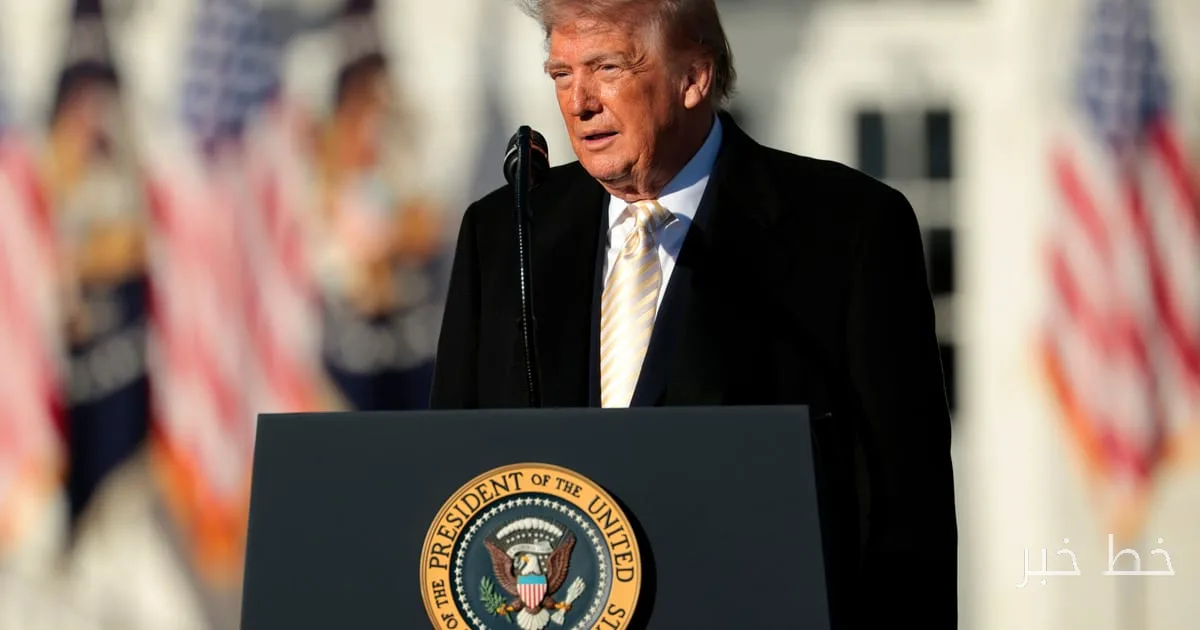
The European Commission has responded negatively to the U.S. government's arguments for imposing new tariffs on European goods. This decision was made after the U.S. government concluded that the European industry contributes to creating global excess capacity and drives down prices. Washington intends to impose a new 15 percent tariff on imports from the European Union.
Response from the European Commission
Olaf Gale, a spokesperson for the Commission, announced on Wednesday: "We will review the findings of this investigation. At the same time, we strongly reject the claim that Europe is a source of excess structural capacities. On the contrary, Europe is one of the regions most affected by excess capacity." He also added that both the European Union and the United States have real concerns about global excess capacity, which is primarily supported by governments.
Read more: Hungary and Croatia are undermining the accession process of candidate countries with their vetoes
Proposed Tariffs and Investigation History
The Office of the U.S. Trade Representative, led by Jamison Geer, accused 14 trading partners, including the European Union, China, and Japan, of artificially lowering prices by flooding the market with industrial goods. This decision came after an investigation was initiated in March under Section 301 of the U.S. Trade Act of 1974. Geer has proposed a 15 percent tariff on the European Union, which aligns with the highest limit agreed upon in the U.S.-EU trade agreement set for 2025.
Geer is scheduled to participate via video in a meeting of European trade ministers on Monday. EU ministers are likely to discuss the lack of progress in reducing tariffs on steel-containing products, as some of these products still face tariffs exceeding 50 percent from the U.S.
The investigation under Section 301 is the second completed trade investigation by the U.S. against the EU since last spring. The U.S. government had previously imposed a 10 percent tariff on the EU because the union did not prohibit imports of goods produced with forced labor. However, according to a senior U.S. official, only the highest tariff of the two will be applied, and the two tariffs will not be applied cumulatively.
Brand Lang, Chair of the European Parliament's Trade Committee, called the findings of the U.S. Trade Representative's report "ridiculous" and stated: "Those who expected calmer times after the midterm elections were mistaken. No one really expected that." Given the decisive victory of the Democrats in Congress, he added: "None of the Supreme Court rulings or electoral votes have been able to divert Donald Trump from his path."
Read more: Macron is the winner of the new EU budget · 70 percent of Americans support targeted tariffs on steel