European leaders, ahead of a meeting on Thursday, have called for tougher sanctions against Russia. This stance highlights their disagreement with Donald Trump following his recent agreement with Vladimir Putin to ease restrictions on Russian oil exports.
Europe and America Clash Over Sanctions
The disagreement in this regard reflects a growing divide on how to compel Moscow to negotiate. While Trump seeks to reduce fuel prices in the U.S. by allowing Russian oil exports into global markets, European leaders believe that limiting Kremlin energy revenues is essential to force Putin to end the war.
Read more: Andy Burnham considers rejecting closer ties with the European Union a mistake
The Polish government, represented by Donald Tusk, stated at a security conference in Warsaw: "Russia has no interest in reducing tensions, a ceasefire, or peace. For this reason, I am going to Brussels to ask my partners to seriously consider increasing sanctions against Russia."
Pressure on Russia After Trump's Agreement
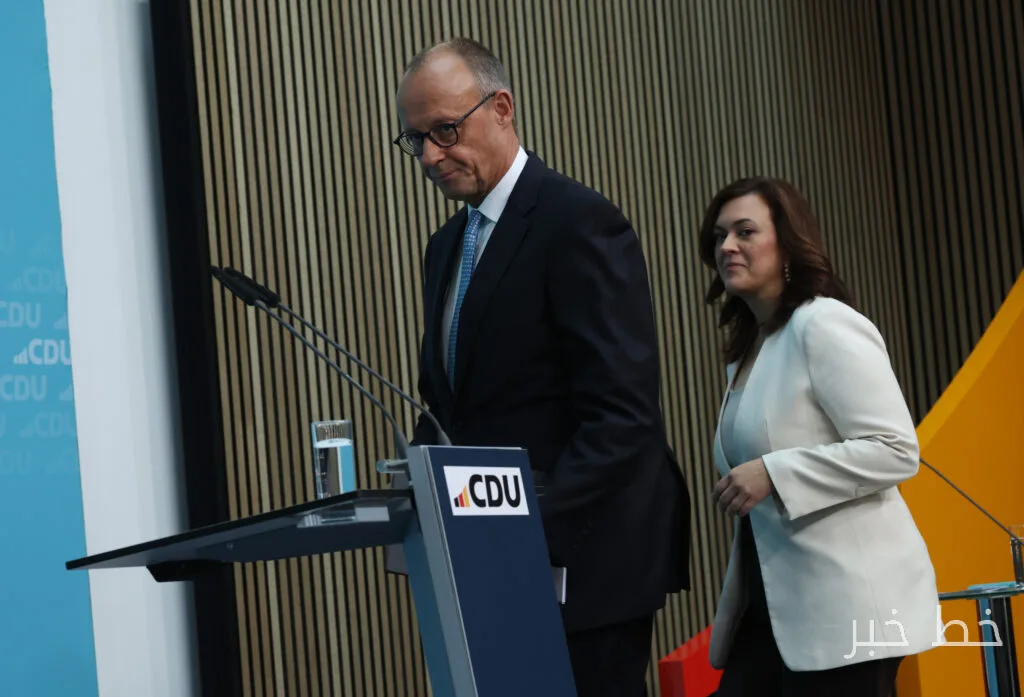
Friedrich Merz, the Chancellor of Germany, also called for more restrictions, referencing Moscow's ongoing attacks on Ukraine's energy infrastructure despite Trump's announcement of a ceasefire. He said: "Russia will only negotiate well under pressure. After Moscow's reckless attacks on civilian energy facilities in Ukraine, we must increase sanctions even further."
This pressure follows the approval on Monday by EU foreign ministers of the largest expansion of sanctions against Russia, which includes over 1,600 individuals and entities. The European Commission is also preparing a new sectoral sanctions package expected to be presented to EU governments by the end of the year.
Other European countries have also taken a similar stance. The UK and Norway have announced that they will increase pressure on Moscow. Norway's Defense Minister, Tore O. Sandvik, stated: "It is important to sanction Russia so that it does not finance the war."
Behind closed doors, many European diplomats attribute Trump's sudden shift towards easing restrictions on Russian energy to domestic political concerns ahead of the U.S. midterm elections. Pressure on fuel prices and Trump's promise to reduce gasoline prices to below $2 per gallon has put him in a difficult position.
Read more: The European Union has sanctioned 1,600 individuals and companies from Russia · Kamala Harris: Trump's fuel agreement with Russia indicates weakness