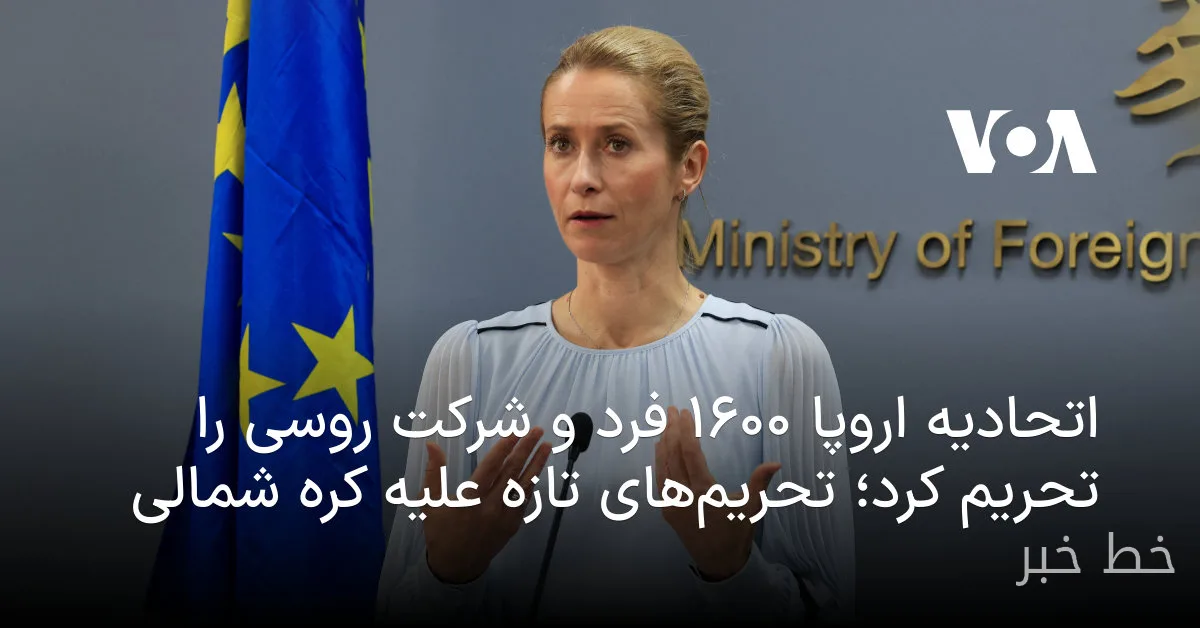
The European Union has taken a new step to increase pressure on Russia due to its ongoing war against Ukraine, sanctioning nearly 1,600 individuals and companies associated with Russia's military industries. This decision was made simultaneously with the approval of new sanctions against individuals and entities in North Korea, aimed at countering this country's military and economic cooperation with Russia.
Details of Sanctions Against Russia
The sanctioning decision was approved on Monday, October 20, 1405, by the Council of the European Union and primarily includes 1,569 individuals and entities involved in the supply chain and production of military equipment in Russia, particularly ballistic missiles. Of these, 826 are Russian companies and 743 are CEOs of these companies.
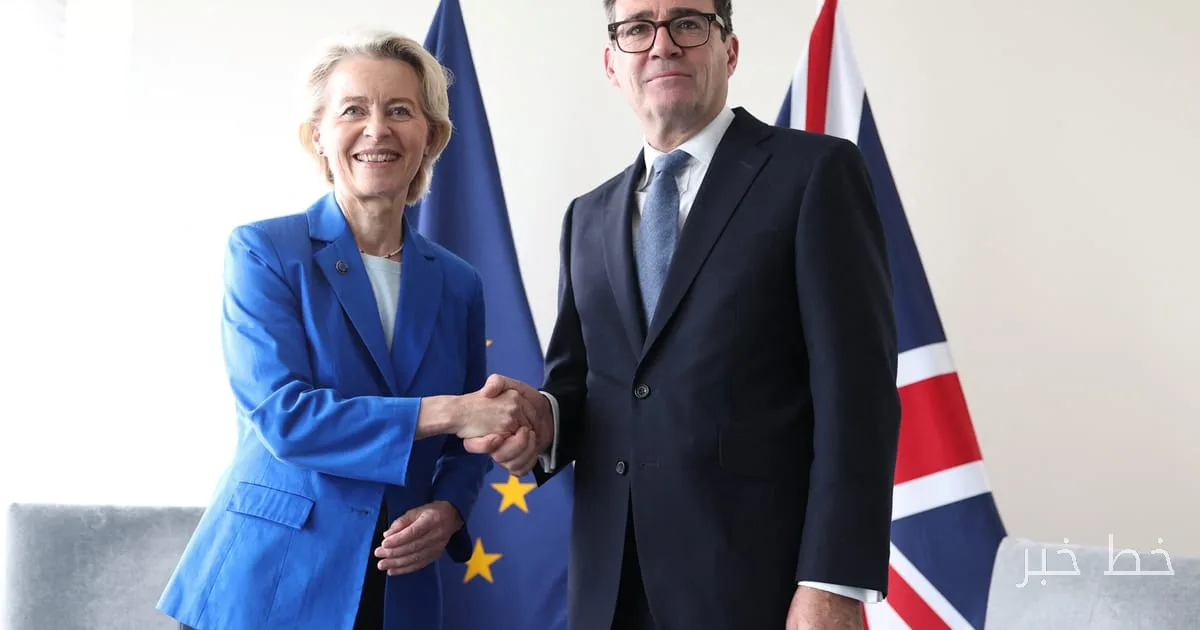
Ursula von der Leyen, the EU's foreign policy chief, stated that more than half of the new sanctions relate to the production chain of Russia's ballistic missiles and emphasized that it is not the time to reduce pressure on this country and that pressures must be increased.
New Sanctions Against North Korea
Alongside the approval of extensive sanctions against Russia, the European Union also approved new sanctions against three individuals and four entities in North Korea. These sanctions are aimed at countering North Korea's nuclear and ballistic missile activities and are related to the expansion of this country's military and economic cooperation with Russia.
According to a statement from the Council of the European Union, these sanctions include sending North Korean workers to Russia and exchanging weapons for oil. The European Union had previously imposed sanctions on individuals and entities connected to the North Korean government due to its nuclear and ballistic missile programs.
EU sanctions generally include asset freezes, prohibitions on providing financial and economic resources to sanctioned individuals and entities, and travel restrictions for sanctioned persons. With this action, the number of individuals and entities subject to EU sanctions related to Russia's war against Ukraine approaches 4,600.
The approval of new sanctions comes at a time when the United States government, led by President Trump, is making efforts to reduce tensions between Russia and Ukraine. President Trump recently announced that an agreement has been reached for the supply of over 300,000 tons of Russian diesel to the markets of the United States and the world.
At the same time, Volodymyr Zelensky, the President of Ukraine, has accused Russia of violating the declared ceasefire regarding attacks on energy facilities and has requested the United States to ensure that Russia will adhere to the agreements. European officials have also expressed doubts about the possibility of implementing a ceasefire and continue to pursue a policy of increasing economic pressure and limiting the supply chain of weapons used in the war in Ukraine through the approval of new sanctions.
Read more: Germany rejected Ireland's proposal to reduce the EU budget · Zelensky is waiting for details of the energy ceasefire from the United States