Leaders of the European Union member states decided to end their meeting early on Thursday, November 26, due to serious disagreements regarding the joint budget for the years 2028 to 2034. This meeting, held in Brussels, was an opportunity to review and agree on the future financial priorities of the European Union. However, deep divisions among the member countries prevented the discussions from reaching a conclusion.
Delay in Budget Negotiations
After halting their negotiations on the mid-term budget for 2028-2034, EU countries are looking to the next meeting in December as a new opportunity for agreement on financing. Emmanuel Macron, the President of France, stated that he is ready to sign a good agreement at the upcoming conference on December 17 and 18. However, he clearly warned that after the end of the year, he would no longer be able to revive discussions related to the budget, as this issue will be very close to the presidential elections in France, which are held in April.
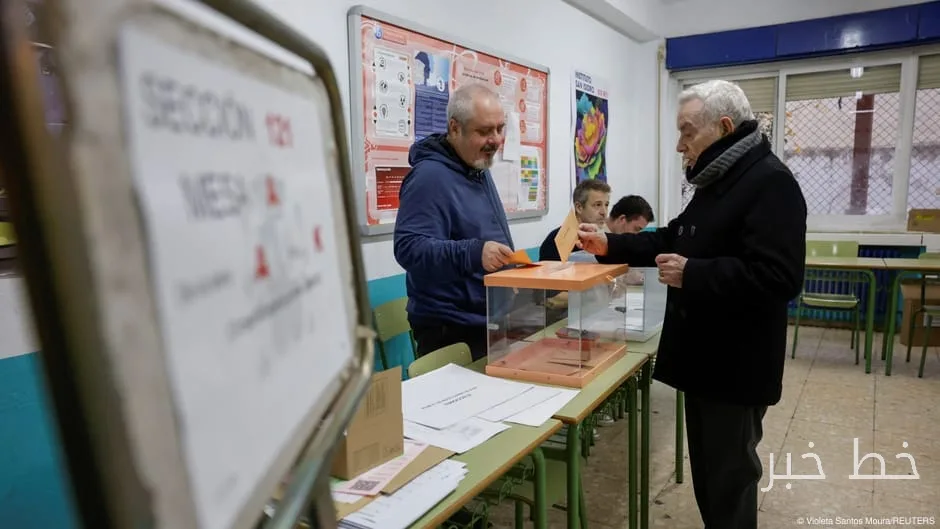
Read more: People in Spain Head Towards Elections and Changes in the Senate Government
Obstacles to Agreement
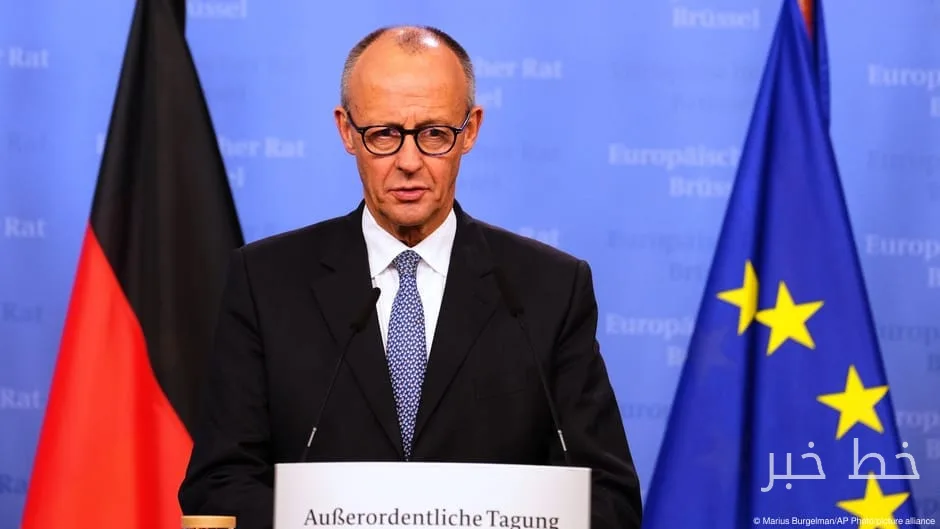
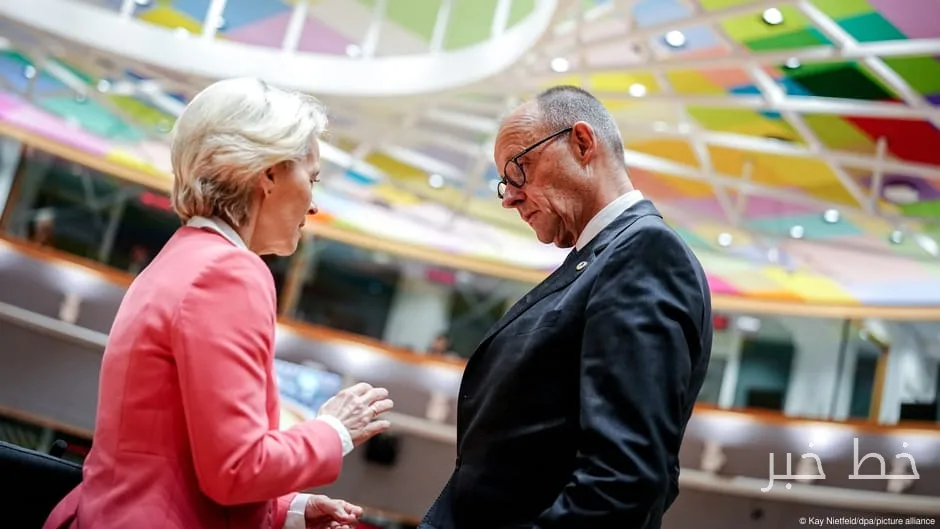
Friedrich Merz, the Chancellor of Germany, also announced the end of 2026 as a deadline for approving the €1.6 trillion (approximately $1.75 trillion) budget. He also noted that the views of EU member states remain "very different." Merz said, "We cannot and should not take on more debt while there are multiple tasks that need to be reliably carried out." These disagreements continued with statements from other European leaders, including Viktor Orbán, the Prime Minister of Hungary, who expressed disappointment at the lack of any results on Thursday.
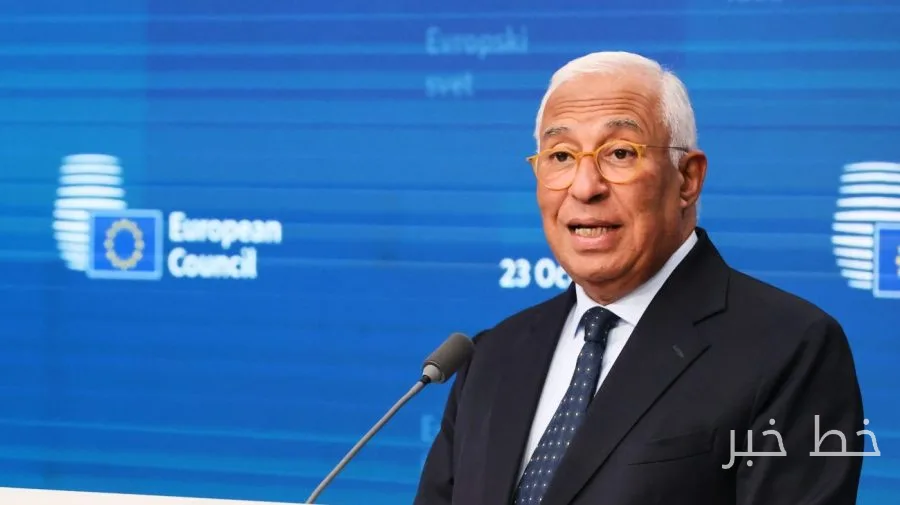
Meanwhile, Karl Nehammer, the Chancellor of Austria, stated that he is "not in a hurry about this matter" and added that "if the conditions are not right, there will be no agreement." Antonio Costa, the President of the European Council, acknowledged that 24 out of 27 EU member states supported the proposed €45 billion loan for Ukraine. This loan is divided into two parts: €20 billion for financing public services and €25 billion for weapons and ammunition.
The President of the European Commission, Ursula von der Leyen, stated that a lot of work needs to be done to reach an agreement. EU leaders also shortened their second meeting and moved discussions to the next meeting in December. These disagreements regarding the EU's joint budget stem from the differing priorities of member states. Some countries are calling for an increase in defense spending and strengthening competitiveness, while others seek to maintain funding for agriculture and other issues.
At the end of Thursday, EU leaders failed to reach an agreement. Macron, in response to criticism from Marine Le Pen, the far-right presidential candidate, who criticized efforts to reach an agreement on the EU budget, said that Le Pen should be more humble. He stated, "You should be more humble during the election campaign, even if you see yourself in this work."
Read more: The Decline in Support for Ukraine in Germany is Concerning · Piotr Serafin Criticized the Reduction of the EU Budget