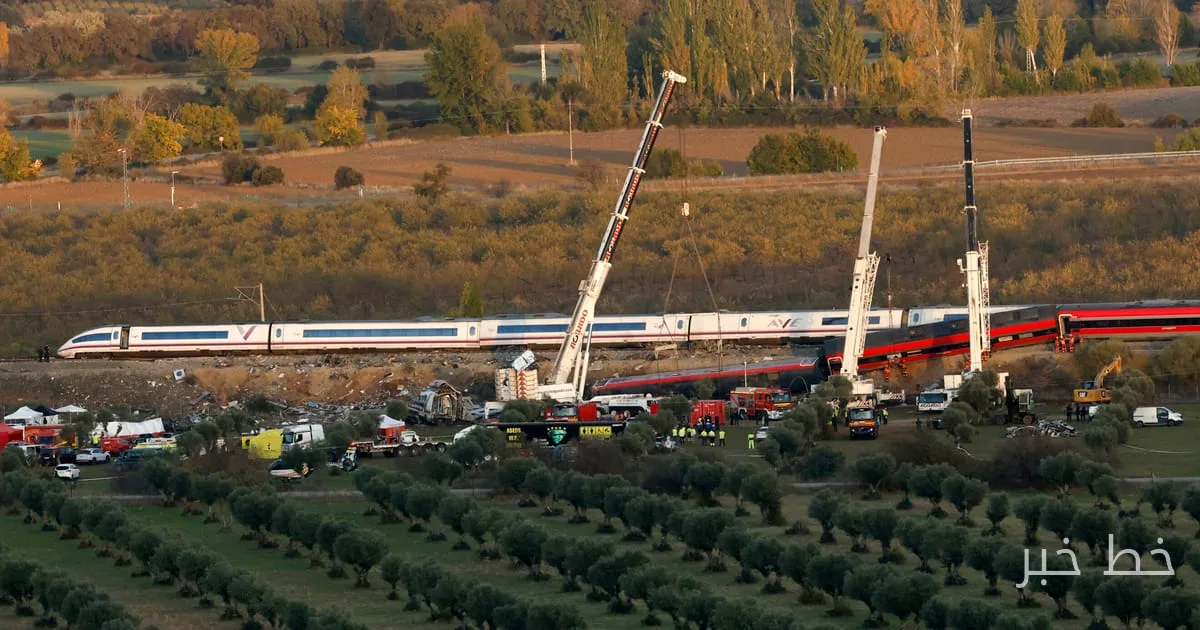
The recent fatal accident in Spain's rail network, which resulted in the deaths of over 100 people in two incidents within less than eight months, has raised serious questions about the safety and efficiency of this system. These incidents, particularly the recent accident near Toledo, have become a hot topic in the electoral campaign ahead of the early elections on November 29.
Unanswered Questions About Safety
Alberto Núñez Feijóo, the opposition leader, reacted to these incidents by stating that Spaniards "deserve clear answers." Experts have pointed to various factors such as human error, maintenance issues, austerity policies, and safety reforms at the European level that have all played a role in these accidents.
Read more: The Life of Anders Fernstedt in Front of a Luxury House in London
The Spanish Ministry of Transport has announced that initial investigations indicate a series of failures led to this accident. After a malfunction in the German signaling system installed in 1992, rail network officials took control and allowed a train to proceed onto a track where another train had stopped. Jime Tamarit, a former director of a railway signaling certification laboratory in Europe, emphasized that this malfunction reflects the dire state of Spain's rail network.
Insufficient Investment in Maintenance
Investment in Spain's rail networks has decreased during the financial crisis and in the years following it. Although spending has improved since then, it is still lower than pre-crisis levels in real terms. Between 2018 and 2022, Spain allocated an average of 1.5 billion euros annually to high-speed rail, but most of this expenditure has gone towards new infrastructure, with only 16 percent allocated for maintenance and upgrades.
Tamarit pointed to a lack of manpower and the need for increased spending on maintenance, adding that political priorities focus more on new constructions than on maintaining existing infrastructure. The company ADIF, which manages Spain's rail infrastructure, has consistently defended the adequacy of its maintenance regime and emphasizes compliance with safety requirements.
Anna Miranda, a Member of the European Parliament from the nationalist BNG party, accused Spanish officials of neglecting past lessons and discovered similarities between the recent accident and the 2013 accident in Angrois that left 80 dead. She stated that at that time, officials also focused solely on human error rather than investigating technical problems.
According to Miranda, these incidents reflect widespread failures across various governments, and she criticized officials for their inaction in this regard. Additionally, reports indicate a lack of sufficient investigation into the January accident that resulted in 46 deaths.
These accidents point to broader challenges at the European level, including the replacement of national signaling systems with modern technology while maintaining outdated infrastructure. The trains involved in the Toledo accident did not use the European Union's standard signaling system. Spain's recovery plan after the pandemic includes investments to modernize signaling and rail traffic control, but these projects are still incomplete.
Read more: Judge Asks the Department of Homeland Security to Stop Questions About Immigration Status and Voting · Spanish Transport Minister Identifies Human Error as the Cause of Fatal Train Accident