The Federal Reserve (Federal Reserve) unanimously voted on Wednesday to raise interest rates for the first time in three years and announced that it may raise rates again this year. This action could put pressure on the sensitive relationship between President Donald Trump and the new Federal Reserve Chair, Kevin Warsh.
Concerns About Inflation and Its Impacts
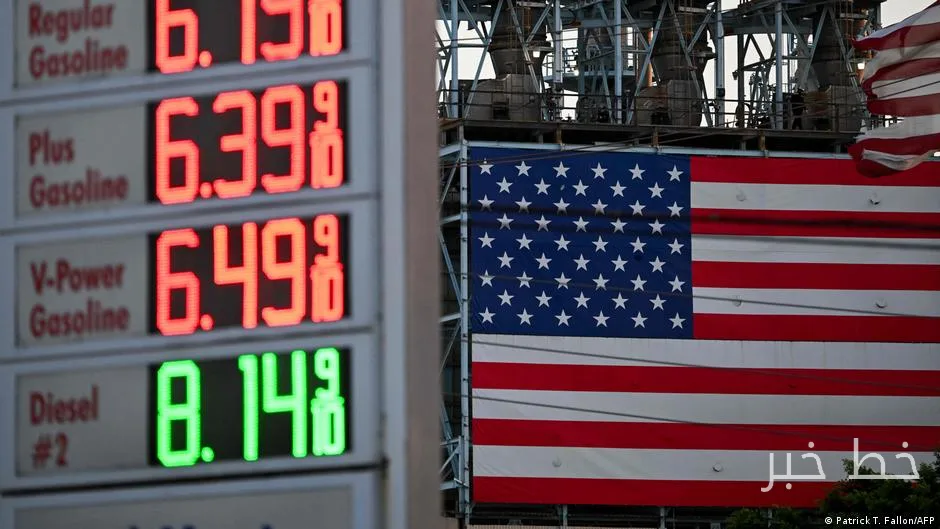
The central bank is increasingly worried that inflation, which has been exacerbated by rising oil prices and a boom in artificial intelligence investment, is not on track to return to its 2 percent target. This decision comes less than seven weeks before the elections, which will determine the balance of power in Congress. At the same time, investors are pushing long-term rates to their closest level in two decades.
Read more: The Federal Reserve Raises Interest Rates for the First Time in Three Years
Consequences of the Interest Rate Increase
The Federal Reserve's benchmark rate is now set between 3.75 and 4 percent. The rate-setting committee stated in a post-meeting announcement: "Inflation remains high" and added: "Today's policy action will help return to the committee's 2 percent target." The increase in interest rates indicates the Federal Reserve's seriousness in combating inflation, which has remained above the target for over five years.
While Wall Street is betting on the likelihood of further rate hikes in the future, President Trump may be disappointed by this week's Federal Reserve action. Trump has repeatedly urged the Federal Reserve to lower borrowing costs and has regularly clashed with former Fed Chair Jerome Powell over his resistance in this regard.
However, under Powell's leadership, the Fed cut rates three times last year. In the recent quarterly economic forecasts, only two of the 19 committee members believed that rates should remain at the current level by the end of the year. Most members predicted that rates would need to be raised once more, and four policymakers believed that a two-time increase might be necessary.
Warsh, who has frequently criticized the way guidance on future Federal Reserve actions has been presented, did not provide forecasts alongside his colleagues. However, the new Federal Reserve Chair supported the central bank's decision to raise borrowing costs, which was made after further concerns about the inflation trajectory. The Federal Reserve's statement pointed to strong consumer spending that has contributed to rising prices.
The statement also noted: "While uncertainty due to geopolitical developments is high, domestic spending has remained resilient."
Read more: The Federal Reserve Announces Its Decision on Interest Rates · Greg Meeks Halts $2.8 Billion Arms Sale to Israel