The Federal Reserve of the United States raised its interest rates by 25 basis points on Wednesday. This action is part of the effort to combat high inflation in the world's largest economy. This increase in interest rates is considered the first change in this regard in the past three years.
Economic Challenges and Inflation
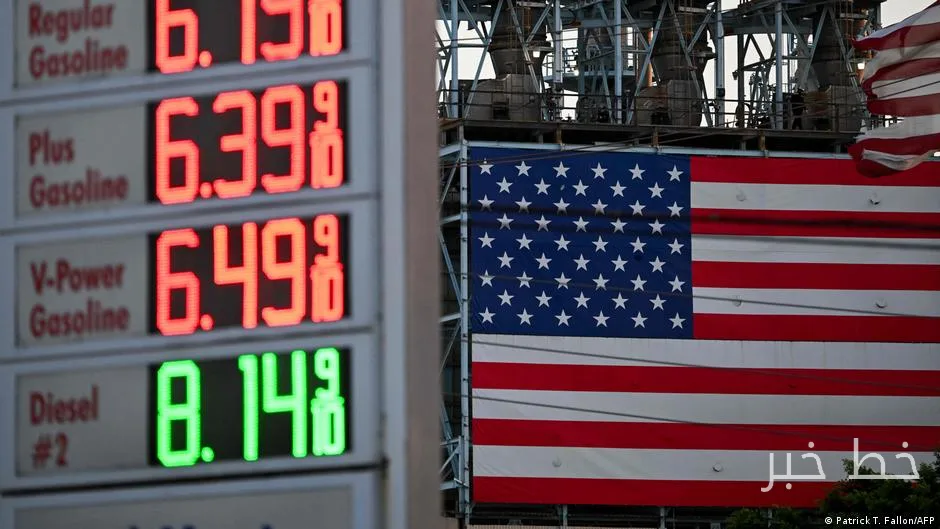
Inflation in the United States has reached a level that many analysts find concerning. Rising prices in various sectors, including consumer goods and services, have put significant pressure on consumers. With this decision, the Federal Reserve aims to control inflation by reducing liquidity in the market.
Read more: Ursula von der Leyen Warns About the EU's Trade Deficit with China
Reactions and Consequences
This action will certainly face various reactions. Donald Trump, the former President of the United States, has repeatedly called for lower interest rates, and this decision by the Federal Reserve may cause his dissatisfaction. Trump believes that lower rates can help economic growth and thus challenges this action.
Increasing interest rates can affect financial markets as well as investment decision-making. Investors need to closely monitor economic trends to be aware of the impacts of this new change on their assets.
Overall, the Federal Reserve's decision is considered a significant action in the monetary policies of the United States and may also influence global economic trends. In a situation where the global economy is still affected by the COVID-19 pandemic, this decision could indicate larger changes in economic policies.
Read more: New Changes in the IRS Tax Table for 2027 · Diesel Prices in America Break $6 Record; Profound Effects on Your Life!