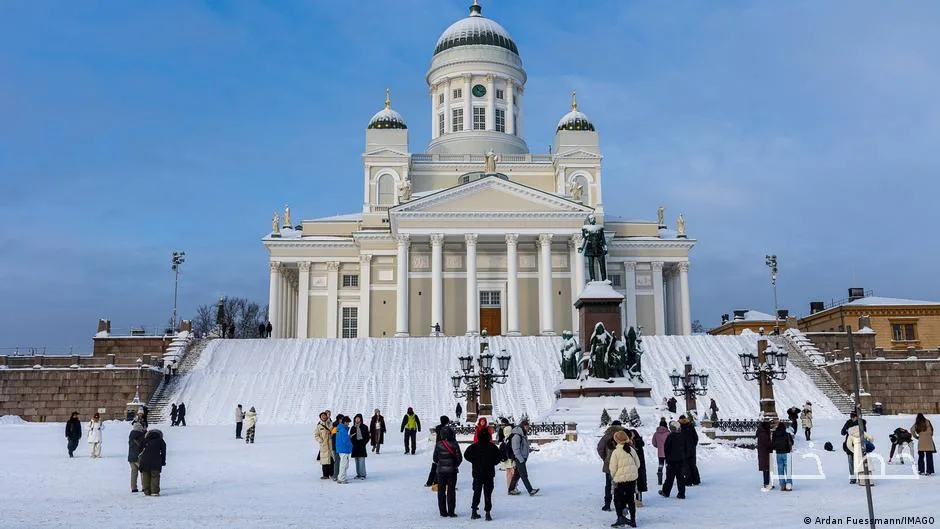
Finland, which has been recognized as the happiest country in the world for nine consecutive years, is now in a concerning situation. A colder than usual winter is on the way, and the government of this country is facing the toughest austerity budget in recent years.
Debt and Budget Deficit Situation
As the April elections approach, the discussion is not limited to how to reduce costs, but also addresses which services, benefits, and pensions should experience the most cuts. Finland's debt and budget deficit have reached their worst levels since the 1990s, when a banking crisis and the collapse of the Soviet Union plunged the country into a major recession.
Read more: The Trump administration has allocated $70,000 for international students
Last month, official statistics showed that the national debt reached 90.3% of Gross Domestic Product (GDP) in the second quarter of the year. Before the pandemic, this figure was around 65%. The Finnish government has spent more than its income since 2008, partly due to an aging population and slow economic growth.
Economic Challenges and Future Plans
The government of Petteri Orpo, the Prime Minister of Finland, who came to power in June 2023, has announced plans to save about 9 billion euros during this parliamentary term. However, economists warn that the winner of the upcoming elections will need to implement further cuts. Forecasts suggest that the budget deficit will reach 4.2% of GDP by 2026.
While Finland has a lower poverty rate compared to the EU average, the unemployment rate in this country is higher than in any other country in the bloc. In August, Finland's unemployment rate reached 10.3%, and youth unemployment rose to 23.3%. With household spending decreasing, experts warn that a new round of austerity could deal a severe blow to the domestic economy.
While parts of Finland's export industry have thrived due to strong orders in metals and shipbuilding, pressures from COVID-19, higher interest rates, and the consequences of two wars have complicated efforts to bridge the gap between income and debt.
Read more: Germany needs to turn promises into new laws · Rogers and El-Sayed debated in Michigan