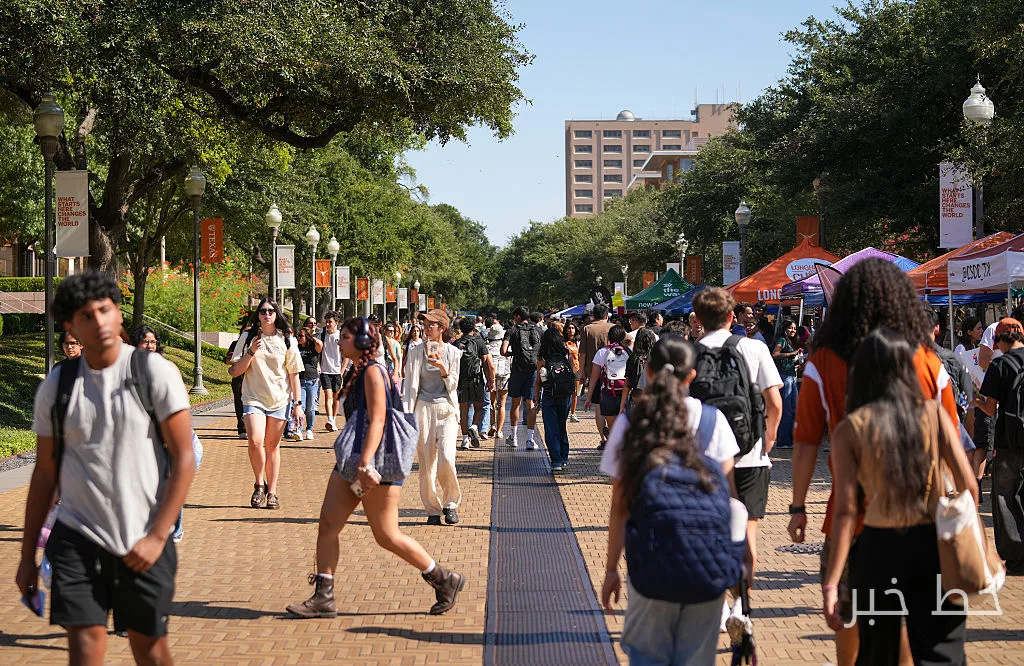
The Trump administration proposed on Wednesday that schools must pay $70,000 for each international student seeking work in the United States through a program called Optional Practical Training (OPT). This action is the latest effort by the administration to limit the enrollment of foreign students.
Details of the New Proposal
The new proposal was published on the government's official list on Thursday and is open for public comment until November 9. The aim of this proposal is to exert more control over the OPT program, which allows students to work in jobs related to their field of study. The Department of Homeland Security has claimed that this program has become a "pipeline for uncontrolled foreign guest workers" and has contributed to "fraud attraction."
Under the current system, students pay about $500 to apply for a work permit and are typically allowed to work in the United States for a maximum of one year. Students in Science, Technology, Engineering, and Mathematics (STEM) fields may be eligible for time extensions.
Financial and Legal Impacts
According to the new proposal, schools must pay $70,000 for each initial student participation and $30,000 for each additional participation. The Department of Homeland Security has also acknowledged that these costs may be passed on to students or employers. Collected fees will be deposited into the U.S. Treasury.
A DHS spokesperson stated in a release that the OPT program "should never be used as a backdoor to enter the American workforce" and emphasized that "American workers should not be forced to compete with a program that has become a pipeline for cheap foreign labor." This program has come under pressure, particularly in the context of the Trump administration's efforts to reduce foreign student enrollment.
Surveys indicate that most international students still intend to utilize OPT, but if the proposed fees are implemented, 80% of them said they would likely be unwilling to stay in the United States. Experts believe such policies could affect the competitiveness of the U.S. in the long term.