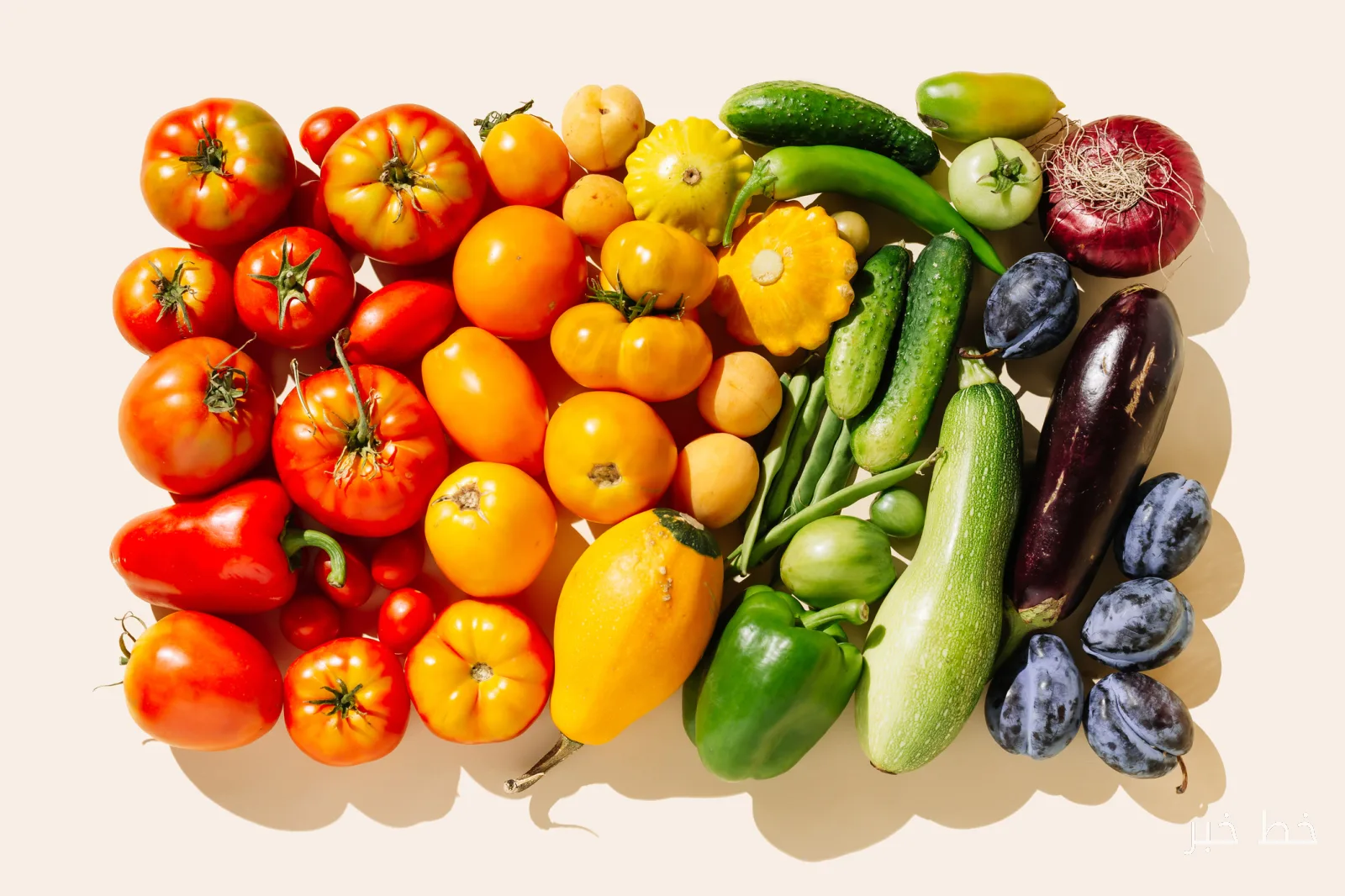
The Food as Medicine initiative seeks to improve heart health by providing appropriate meals to patients. This initiative believes that proper nutrition can serve as a powerful tool in the prevention and management of chronic diseases such as heart disease, diabetes, and hypertension.
Challenges of Healthy Eating
Despite the importance of healthy eating, many individuals in the United States struggle with choosing appropriate foods. Conflicting information about dietary needs and healthy versus unhealthy foods can complicate the selection process. However, the principles of a heart-healthy diet have remained consistent over the years: high consumption of fruits and vegetables, choosing healthy protein sources, and using whole grains while reducing sodium and added sugars intake.
Read more: Krista Pike is alert and speaking six days after unsuccessful surgery
According to published data, nearly 1 in 7 American households faced food insecurity in 2024. This indicates that healthy food choices depend not only on individual willpower but also on individuals' financial capabilities.
Medical Food Services
The Food as Medicine initiative emphasizes that, in addition to nutritional counseling, designed medical meals can help prevent and treat chronic diseases. In response to congressional requests, the U.S. Department of Health and Human Services has developed a program to coordinate federal efforts and provide a roadmap for integrating nutrition into healthcare services.
However, there are still evidence gaps that need to be filled. For example, which approaches are more effective and for whom they are suitable. These questions must be answered with the same rigor and seriousness expected for medications. The health initiative through food, launched with the support of the Rockefeller Foundation, seeks to fund research necessary for access to healthy food programs in healthcare systems.
Preliminary evidence suggests that this approach can be effective. In a randomized clinical trial of 206 adults with heart failure in the Navajo Nation, the dietary program led to a reduction in the likelihood of patient hospitalization or emergency visits by about 30% over 90 days.
Nutrition education in medical schools also needs improvement. In 2026, the Department of Health and the Department of Education announced that medical schools must include at least 40 hours of nutrition education in their curricula. Because healthy nutrition is important for every patient, every physician must learn this information.
Improving population health requires changes in the food environment around us. A successful example of this change can be seen in Finland, in the North Karelia project. This region faced a heart crisis in the 1960s, and public programs focused on dietary changes. Following these changes, deaths from heart disease in this area decreased by over 80%.
Undoubtedly, the need to improve nutrition in the United States has never been more urgent. According to the 2026 report on heart disease and stroke statistics, poor diet is one of the most common risk factors for heart disease, and its impacts can lead to the deaths of millions worldwide.
Ultimately, we can tell people to eat healthier foods, and this must be done. But our current approach is like telling people to drive more carefully while ignoring the state of the roads.
Read more: Kathy Hochul expands measles vaccination law in New York · Concerns about potential plague outbreak in Russia are increasing