On Thursday, France and Germany were unable to agree on the scope of future 'Made in Europe' regulations as well as greater flexibility in reducing CO2 emissions and banning internal combustion engines by 2035.
Agreement That Reached a Deadlock
The proposed agreement, which was first published in July, represented significant convergence between the two countries and was expected to be signed soon. However, on Thursday evening, the agreement was halted due to opposition from the German Social Democratic Party, the smaller partner in the ruling coalition, over concerns about reducing environmental goals.
Read more: Germany's priority boundaries ahead of the EU summit
A spokesperson for the German government stated, "The final agreement has not yet been reached."
New Proposals from Macron
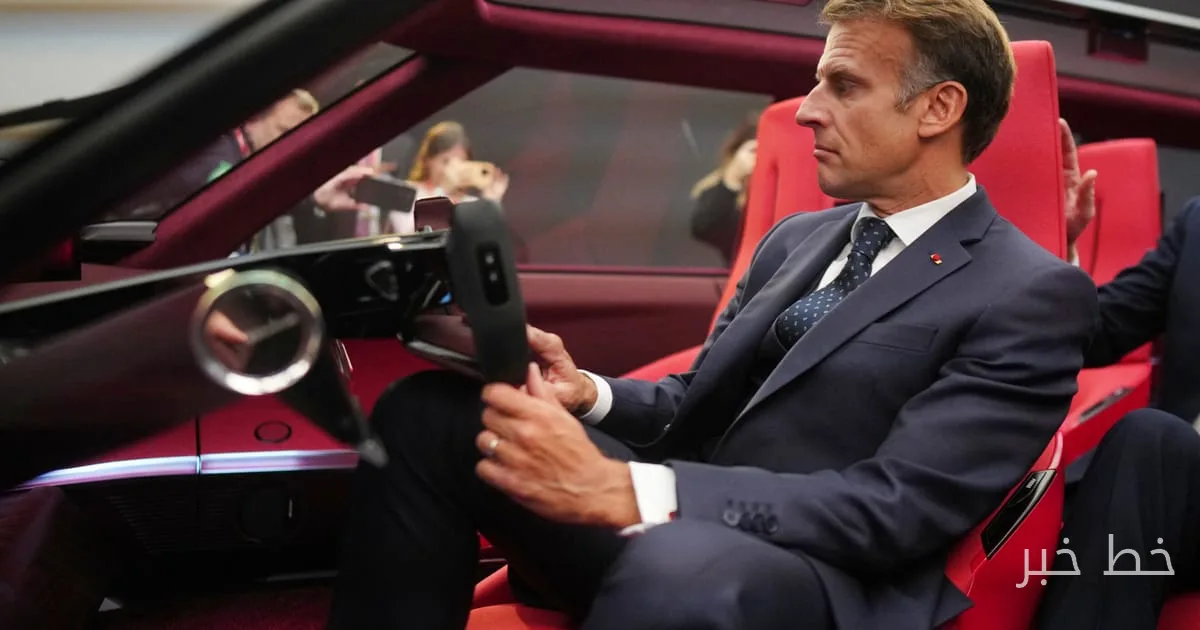
Emmanuel Macron, the President of France, suggested earlier this week that it is now Germany's turn to act. He said at the Paris auto show, "There are political obstacles on the other side of the Rhine, and I fully respect the coalition discussions."
Under the terms of the proposed agreement, Germany would have to accept stricter criteria for the automotive sector in the industrial accelerator law that France is pursuing, while Germany wants to ease the ban on internal combustion engines.
Cooperation in Reducing CO2 Emissions
The two countries emphasized in a draft agreement that, given the significant technological, economic, and geopolitical changes since the establishment of the existing legal framework, the automotive package should achieve a better balance between environmental goals, industrial competitiveness, technological development, and strengthening European value creation.
The current goal of the European Union is for companies to reduce greenhouse gas emissions from internal combustion engines by 100 percent compared to 2021 levels by 2035. In the proposed agreement, France and Germany are seeking to soften the 2035 target to 90 percent and provide an additional 10 percent flexibility in exchange for investment in alternative fuels.
New Challenges for the Steel Industry
This agreement, which is crucial for steel producers and the German Social Democratic Party, removes the requirement for investment in green steel, which, according to an industrial lobbyist, would destroy the leading market for the steel industry.
Instead, the draft agreement emphasizes that the efficiency factor — which calculates hybrid emissions based on the frequency of electric motor use versus combustion engine — should be based on laboratory results rather than real data, helping automakers sell more hybrids.
The British government welcomed the possibility of including the country in the 'Made in Europe' regulations, and this agreement still needs to be approved by other EU countries and the European Parliament.
Read more: EU lawmakers call for defense of the International Criminal Court against US sanctions · German far-right party and pro-Russia coalition with BSW