France and Germany were unable to agree on a common position regarding the scope of future 'Made in Europe' regulations and also on increasing flexibility in reducing CO2 emissions and banning internal combustion engines from 2035 on Thursday.
Agreement in Danger
The draft reciprocal agreement reported earlier in July indicated that the two countries were getting closer and was expected to be signed soon. However, on Thursday evening, the agreement was halted due to protests from the coalition partner SPD. The party was concerned that important environmental goals might have been omitted.
Read more: Ursula von der Leyen called for strict immigration measures
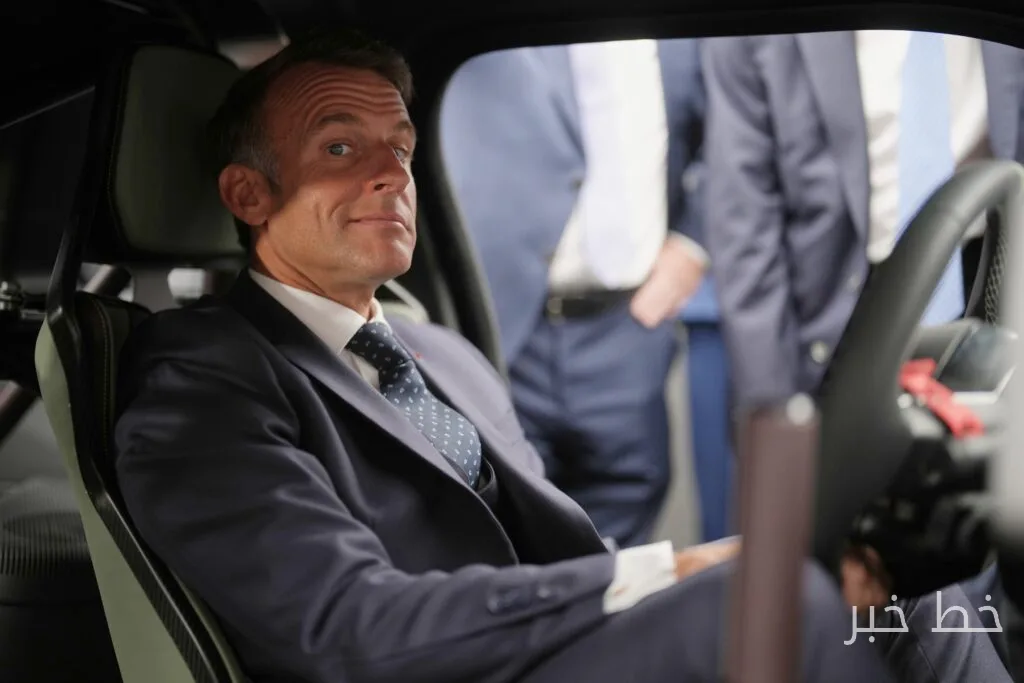
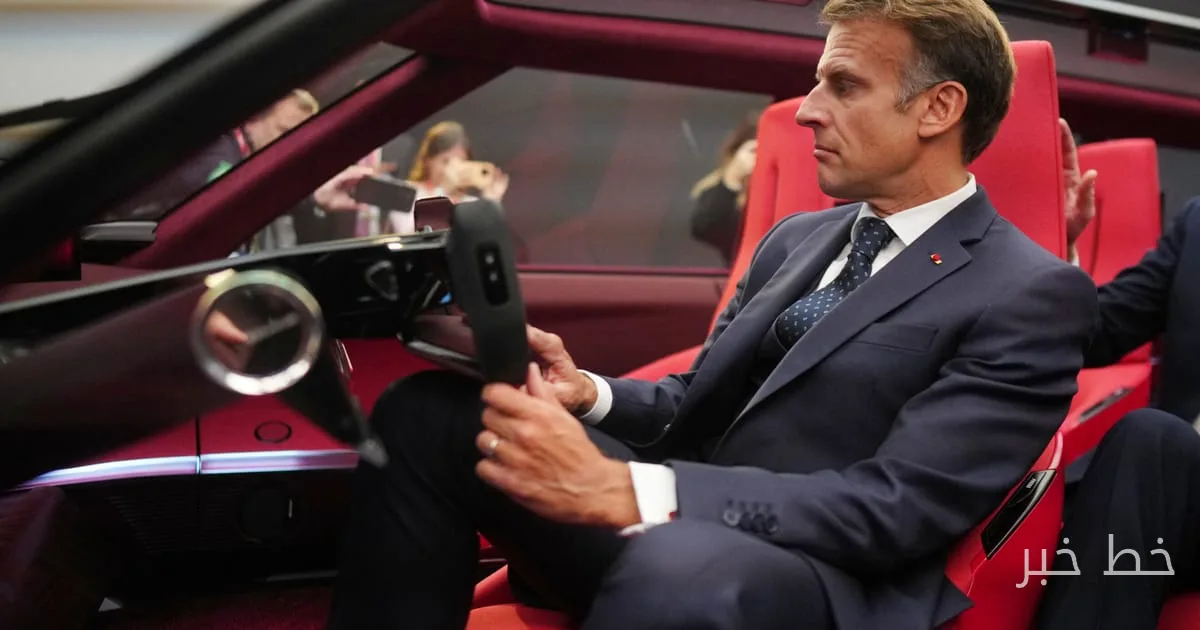
A spokesperson for the German government stated: "The final agreement is still under review." Emmanuel Macron, the President of France, indicated earlier this week that it is now Germany's turn to act and said: "On the other side of the Rhine, there are political barriers, and I fully respect the coalition discussions."
New Conditions for the Automotive Industry
According to the proposed conditions, Germany must accept stricter criteria for 'Made in Europe' in the automotive industry, which France has emphasized, in exchange for reducing the ban on internal combustion engines, one of Berlin's main requests.
The two countries stated in their draft agreement that, considering the significant technological, economic, and geopolitical changes since the introduction of the existing legal framework, the automotive package should establish a better balance between climate goals, industrial competitiveness, technological development, and strengthening European added value.
Currently, the EU's goal is for companies to completely reduce greenhouse gas emissions from internal combustion engines by 2035. Under the proposed agreement conditions, France and Germany reduce the 2035 target to a 90% reduction and, in return, allow for an additional 10% margin for investment in alternative fuels.
The agreement also emphasizes the necessity of removing investment requirements for 'green steel', which could eliminate significant incentives for the steel industry. One lobbyist from this industry stated: "This will destroy the leading market for the steel industry."
Ultimately, if the agreement between Germany and France is signed, it must be approved by other EU member states and the European Parliament, which are currently discussing the 'Industrial Acceleration Law' and the automotive package.
Read more: Frontex halted the program to support returning migrants · The EU leaders' meeting turned into a three-hour discussion on carbon emission tax