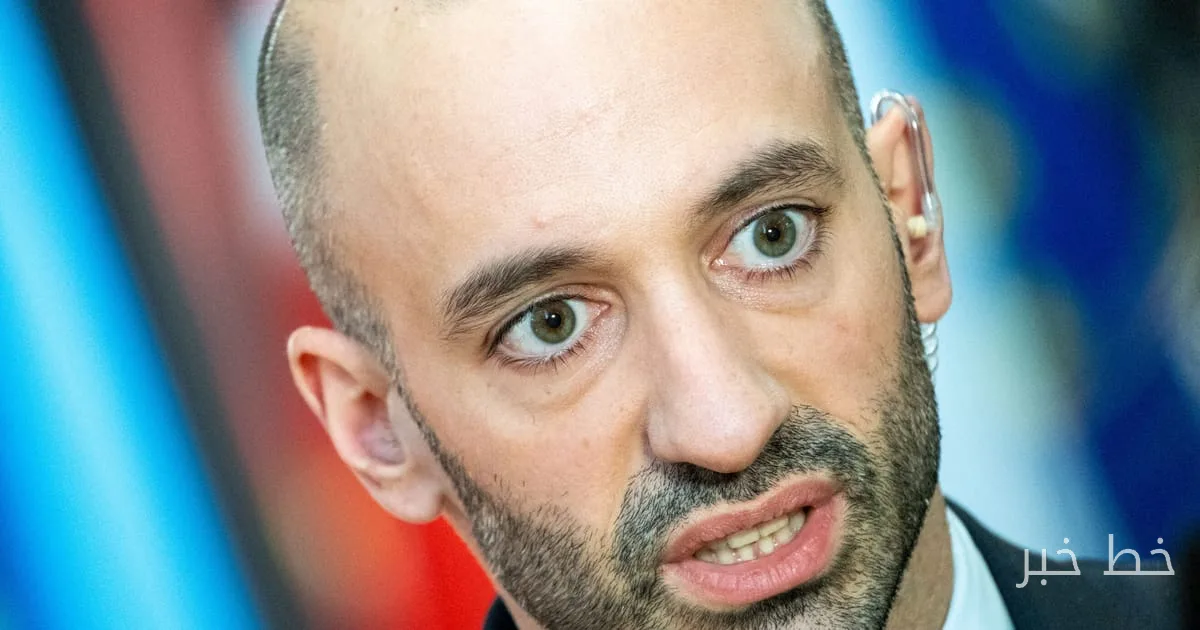
France has warned against severe cuts to development spending in the EU's upcoming seven-year budget. Benjamin Hadd, France's European Affairs Minister, cited the negative consequences of reduced foreign aid budgets during Donald Trump's presidency as a cautionary example at the "POLITICO Brussels Playbook Live" event on Tuesday.
Concerns About Negative Impacts of Budget Cuts
Hadd said, "These discussions should not be conducted through a budgetary lens... The question is how can we make our tools more effective?" He pointed to the necessity of maintaining aid and financial support for developing countries and emphasized that these decisions should be made carefully and free from financial pressures.
Read more: Canada and the EU Seek Special Membership for Greater Cooperation
EU governments, including France, are lobbying with the Irish presidency of the EU Council, which is leading the budget negotiations. They are seeking to reflect their positions in a new document called the "Negotiation Box," which is expected to be unveiled in early October.
Countering Development Budget Cuts
Several European capitals have stated that cuts to the "Global Europe Fund," which has allocated €200 billion to support foreign countries, are preferred over reductions in domestic spending, such as agriculture, defense, and regional payments. The European Commission has simulated the impact of cuts to development aid budgets of up to 40% in its long-term future budget. However, the Irish presidency expects to propose milder reductions.
According to Hadd, the real challenge is to organize EU policies on trade, migration, and development more effectively among various institutions. He said, "All of this is very scattered among the institutions today. Sometimes we are unable to leverage all the different tools for our foreign policy."
In this context, Ignacy Nyczmicki, Hadd's Polish counterpart, stated that the increase in foreign aid in the previous budget was less than in other areas, such as defense and competition. He added, "Even if we see small changes, this does not automatically mean the complete elimination of programs, but it depends on the outcome of negotiations."
Given the importance of this issue for the EU and efforts to maintain financial support for needy countries, it seems that future negotiations in this area could have significant impacts on the union's foreign and development policies.
Read more: Selection of New NATO Military Commander in Copenhagen · French National Media Condemns Russia's Efforts to Interfere in Internal Affairs