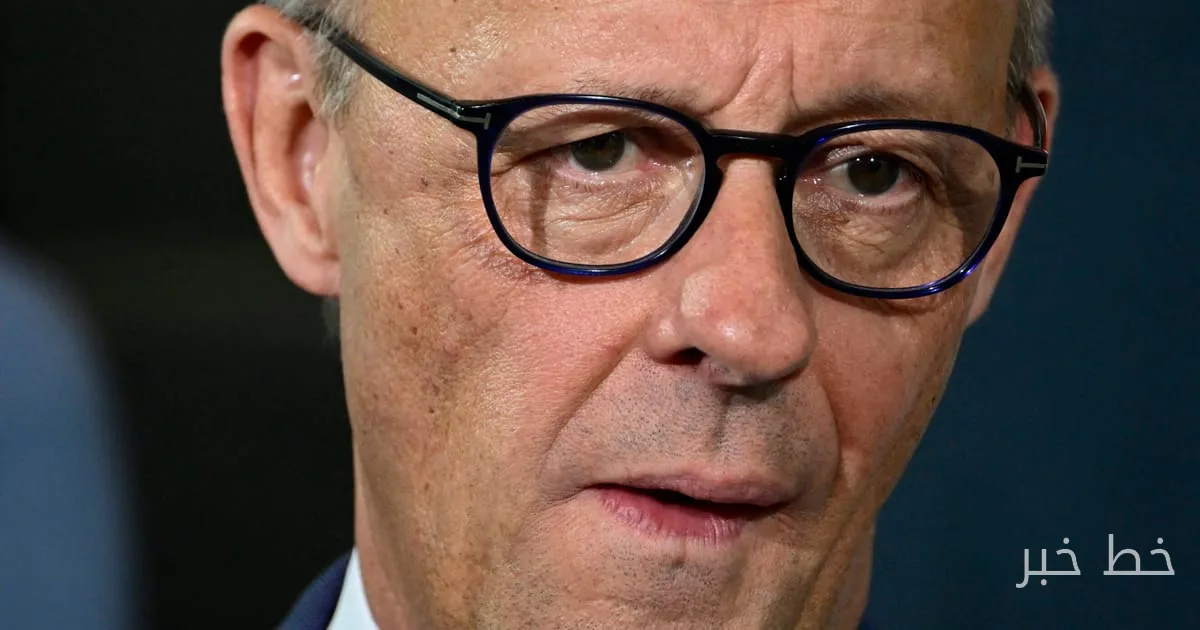
Friedrich Merz, the Chancellor of Germany, is facing serious political challenges. Following a series of humiliating electoral defeats and the rise of the far-right in Germany, European allies are considering the possibility of his removal or distraction in the coming months. This issue is reportedly being seriously examined by five diplomats and officials.
Planning for the Future of EU Policies
Two European governments have even held internal meetings to discuss the implications of the end of Merz's chancellorship. As the leader of the largest economy in Europe and the main negotiator for wealthy countries regarding the €2 trillion EU budget, he plays a significant role in policymaking within the Union. He is also one of the driving forces behind the Union's efforts to save heavy industries.
Read more: Magdalena Andersson Unable to Form Government After Electoral Victory
Wilhelm Gebhard, a member of the Bundestag and an official of the ruling CDU party, emphasized: "Any discussion about the Chancellor of Germany undermines Germany's role in the Union and in the world." While France is also facing the rise of the far-right and upcoming presidential elections, no one in Brussels is pleased about the possibility of Germany, one of the Union's key players, facing an internal crisis.
Internal Challenges and International Consequences
Contingency planning is being conducted following contradictory signals from Berlin regarding Union policies, including car emissions and social media bans for children. Even if Merz remains in office, the current political chaos complicates Berlin's work on the Union's biggest issues.
The worst-case scenario for Brussels is a leaderless Germany or a far-right government. However, this seems almost impossible in the short term, as none of the main players are inclined to hold early elections. Hannah Neumann, a representative of the opposition Greens in the European Parliament, stated: "All coalition partners know they have a lot to lose from early elections."
If Merz is forced to resign, a successor from the CDU or his coalition partner, the SPD, will be quickly chosen. This assures Brussels that "there is always someone managing affairs." Those who know Merz believe he will not be distracted regarding EU matters. One acquaintance of Merz's thinking said: "For other politicians, it may be that they focus less on Union policies. But for him, it is quite the opposite: it is an additional motivation to show leadership in Europe."
However, Merz's political weakness domestically may make it harder to find agreement on the upcoming seven-year budget of the Union. Diplomats have warned that he may insist more on Berlin's hardline stance to achieve a victory.
As the main voice of countries seeking to reduce the Union budget, Merz has called for cuts of "hundreds of billions of euros." Germany, Sweden, Finland, Denmark, Austria, and the Netherlands emphasize overall reductions, while net recipient countries like Poland and Romania want to maintain their share. No one who could succeed Merz "can be more flexible than him," according to one diplomat.
But Merz's allies say that his struggle on the global stage is only valuable if his coalition partners cooperate behind the scenes. Fabian Gramling, a Bundestag member from the CDU, said: "Power does not only stem from grand appearances in Brussels, but also from stability, reliability, and the ability to advance decisions domestically. Currently, these are severely lacking."
Read more: Swiss Voters Reject Stringency on the Principle of Neutrality · Increase in Deutschlandticket Price to €66.80 in Germany from 2027