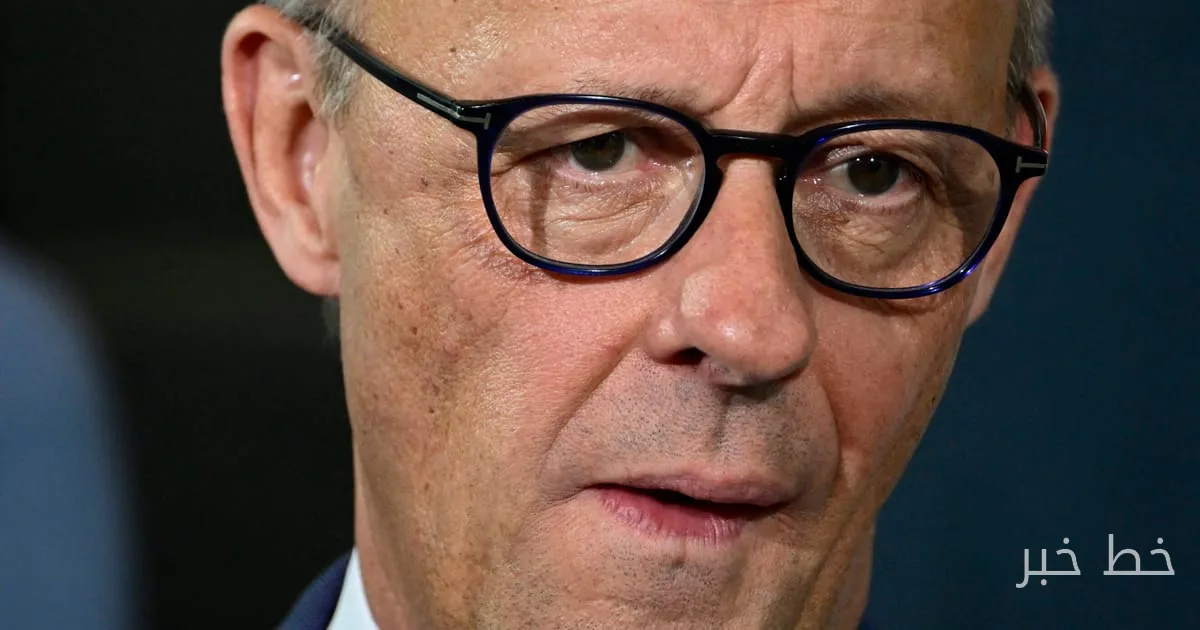
Friedrich Merz, the Chancellor of Germany, is facing serious challenges with the results of two new state elections. These results have not only impacted his political position but have also raised questions about his leadership and Germany's future at the European level.
Political Challenges for Merz
The results of the state elections in Germany indicate a decline in support for the Christian Democratic Union led by Merz. This situation has been accompanied by increasing criticism of his government's performance, raising concerns about Merz's political future and that of his party. Analysts believe that these results could affect Germany's position in Europe and lead to a weakening of the country's power in international negotiations.
Read more: The far-right party in Germany is seeking new allies
Concerns about Russian Hybrid Attacks
Alongside domestic challenges, concerns about Russian hybrid attacks are increasing. European foreign ministers have discussed how Europe should respond to these threats on the sidelines of the United Nations General Assembly in New York. This issue becomes particularly significant if one of these attacks escalates into violence.
Some EU officials in Brussels are suffering from new pressures resulting from competition over savings in the upcoming seven-year budget. These challenges could impact the Union's ability to respond to external threats as well as internal issues.
Overall, the current situation represents a critical period for Friedrich Merz and his party. Given the domestic and international concerns, he must quickly take actions to rebuild public trust and strengthen Germany's position in Europe.
Read more: European leaders warn of increasing threats from Putin · Antonio Costa calls for strengthening EU relations with Canada