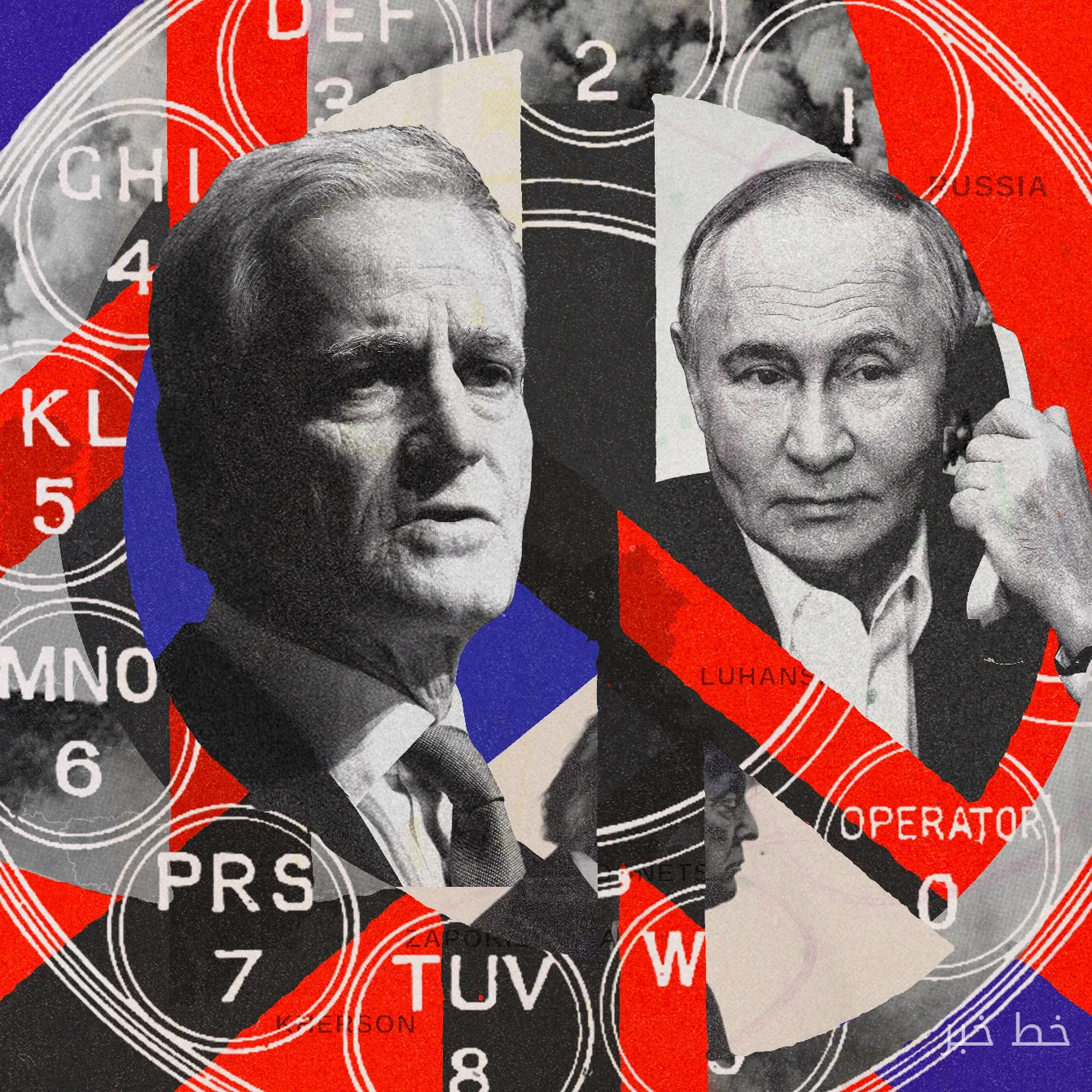
Gadi Eisenkot is seeking to become the main rival of Benjamin Netanyahu, the Prime Minister of Israel, in the upcoming elections as the leader of the opposition in Israel. Eisenkot, who has a 41-year background in the Israel Defense Forces and ultimately served as the Chief of Staff of the army, has turned to politics in recent years due to public dissatisfaction with the current leadership of the country.
Eisenkot's Criticism of Netanyahu
Eisenkot has harshly criticized Netanyahu in his speeches for his inability to ensure security and manage crises, describing him as an "anti-leader." His criticisms are particularly focused on security and the social situation in Israel. He emphasizes the need for a change in the country's leadership, pointing to the government's failures in providing security for citizens.
The Political and Social Context of the Upcoming Elections
The upcoming elections in Israel are taking place amid increasing dissatisfaction with Netanyahu's government. Many Israeli citizens have become disillusioned with the country's economic and social situation, which could impact the election results. Eisenkot is trying to gain public trust with slogans emphasizing the need for fundamental changes, positioning himself as a serious option for the country's leadership.
As the election date approaches, Eisenkot is seeking to form political coalitions and garner support from various community groups. As a well-known military figure, he hopes to leverage his experiences in the army as a competitive advantage against Netanyahu. He is also trying to increase his popularity by establishing strong connections with different segments of society, especially the youth.
Eisenkot, as a new figure in Israeli politics, could represent a change in the country's political paradigm. If he succeeds in transforming public dissatisfaction into a social movement, we may witness significant changes in the power structure in Israel.