The economic leaders of Germany and China gathered last week in the city of Düsseldorf, Germany, for economic talks. This meeting focused on trade and investment issues between China and Europe, but the ongoing competition between the US and China was still indirectly mentioned on the sidelines.
US-China Talks
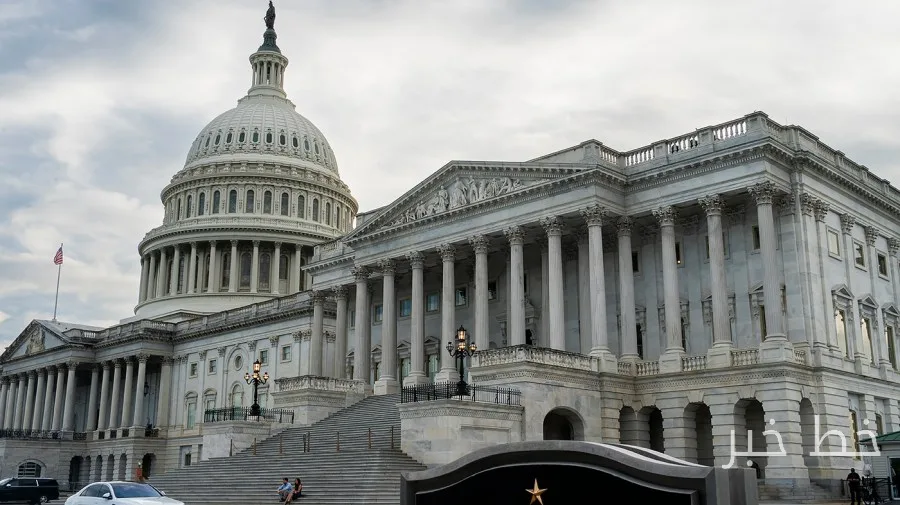
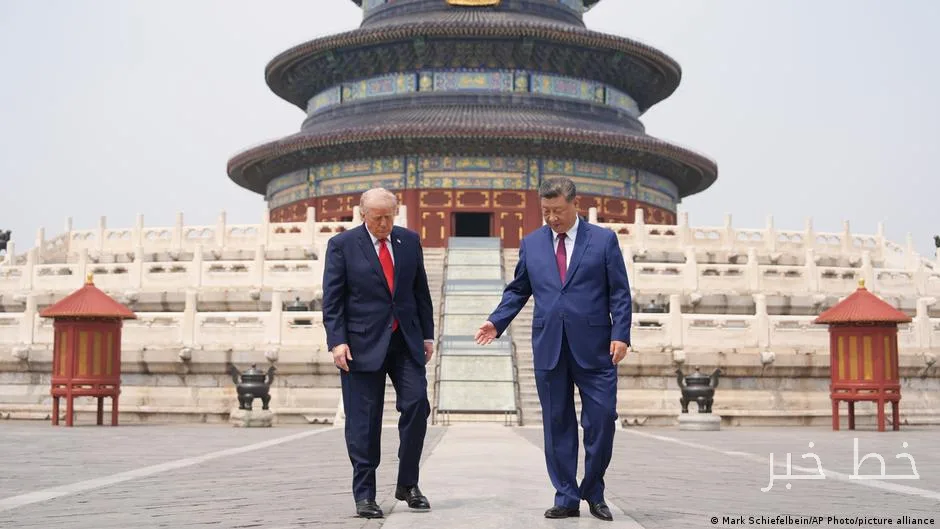
Xi Jinping and Donald Trump will have a meeting this week in Washington, and there are some hopes that these talks may lead to a reduction in the trade tensions initiated by the US President. The last meeting between the two leaders at the Beijing summit in May did not yield any tangible results.Read more: Trump Administration Revitalizes the World Trade Organization
Miko Houtari, director of the China think tank in Berlin, stated that "China and the US will control each other for the foreseeable future." He continued, "Xi does not need a breakthrough in Washington. He needs more time, and a similar situation exists for Washington. Therefore, we are in a strategic stalemate, which I believe is the best description of what we are currently witnessing."
Competition in Artificial Intelligence
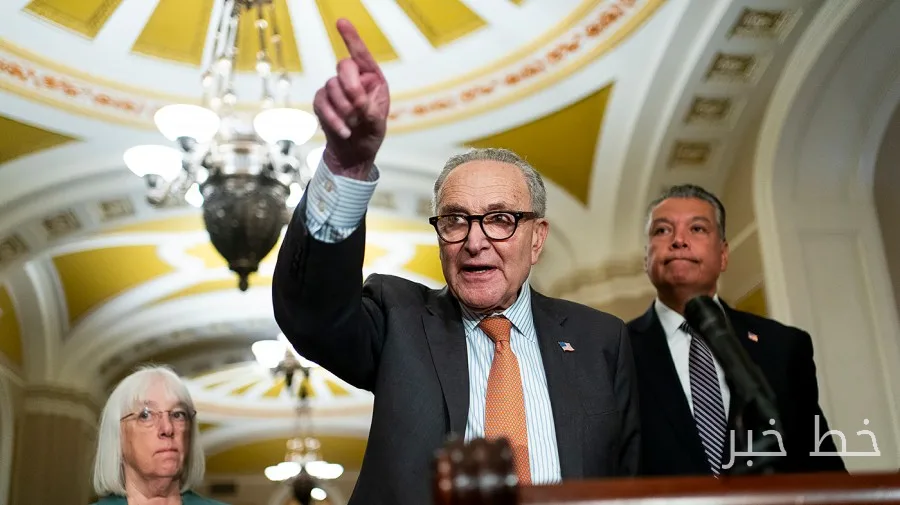
An agreement may be beneficial for Trump's Republican Party ahead of the important midterm elections in November, but its outcome remains uncertain. Trump commented on Xi's visit to the White House, saying, "We will talk about everything." The competition between Beijing and Washington is ongoing at various levels, and nowhere is this rivalry more significant than in artificial intelligence. The US government has banned the export of high-performance chips to China, while Beijing has also restricted the export of rare elements essential for semiconductor production.Amid concerns about the risks of uncontrollable artificial intelligence, it is expected that Xi and Trump will discuss AI limitations in their negotiations. Xi has called for international cooperation in AI development, while Trump views these regulations as a threat to US leadership in this field.
During a meeting with He Lifeng, China's Vice Premier in New York, Scott Basset, the US Treasury Secretary, announced that US and Chinese officials had previously discussed creating an "information-sharing mechanism" to share information about security incidents related to AI.
Economic Challenges in Europe
From Europe's perspective, both China and the United States are currently recognized as difficult partners. Ursula von der Leyen, President of the European Commission, stated in her speech at the annual EU summit in 2026, "The second shock from China is currently present in Europe." This second shock is due to China's technological advancements in various industries such as battery technology, green energy, and mobility.The European Union is seeking a rapid transition to electric mobility and aims to significantly reduce CO2 emissions from road traffic. At the same time, Brussels is calling for additional tariffs on low-cost electric vehicles from China, as China has competitive advantages with cheaper cars and high government subsidies.
A Chinese participant in the economic talks in Düsseldorf stated anonymously that China's domestic consumption cannot absorb production. He said, "China's economy is weak. Companies are worried about their business and urgently need access to foreign markets."
As the United States continuously urges its allies to tighten restrictions on China in technology, supply chains, and security, Trump frequently threatens the European Union with tariffs and injects instability into the NATO strategic alliance.
In early 2026, Mark Carney, the Prime Minister of Canada, visited China and agreed on a "strategic partnership in a new era." He also reduced import tariffs on Chinese electric vehicles from 100% to 6.1%. The quota for these vehicles has been set at 49,000 units per year.
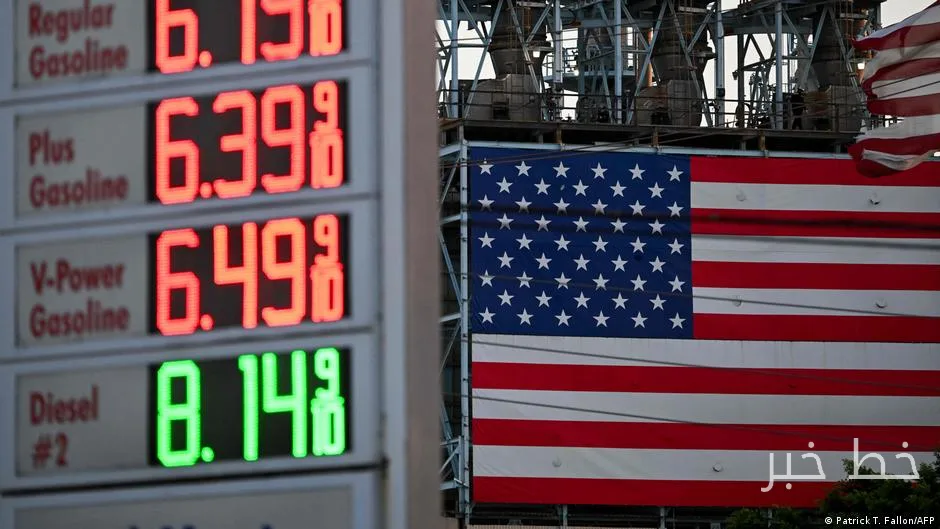
Read more: Germany Reduces Fuel Tax Due to Rising Prices · Increase in Votes for the Alternative for Germany Party in State Elections