The relations between Germany and Russia, which had been shaped as a successful partnership for years, have now reached a point of freezing. This partnership, which began in the early 2000s, helped the German industry succeed in global markets with cheap energy supplied by Russia. During this period, German chancellors including Gerhard Schröder and Angela Merkel, along with Vladimir Putin in Russia, played significant roles in these relations.
Changes After the Invasion of Ukraine
Despite Russia's annexation of Crimea in 2014, trade relations between the two countries continued. At that time, an agreement was signed for the construction of Nord Stream 2, a direct gas pipeline between Russia and Germany. However, with Russia's invasion of Ukraine on February 24, 2022, these relations were severely damaged. Germany's hopes for a stable order in Europe and the democratization of Russia turned into disappointment.
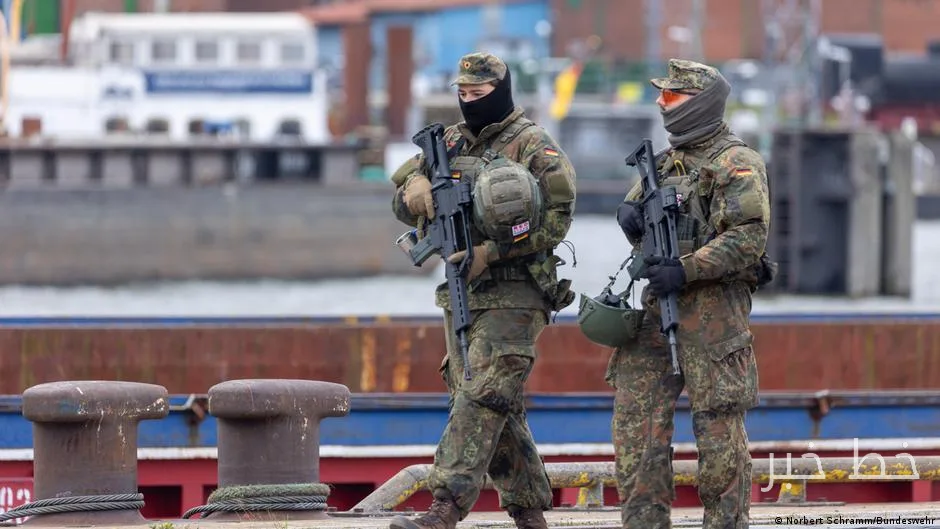
Experts believe that Germany's perception of Russia's rationality has been incorrect, and that the country is pursuing imperialistic goals. Chancellor Olaf Scholz spoke of a "Zeitenwende" (fundamental change) in foreign and security policy after the invasion of Ukraine. Since then, the German armed forces have increased, and Defense Minister Boris Pistorius has emphasized the need for readiness for war.
Economic and Political Consequences
Germany has also cut its dependence on Russian energy and shut down the Nord Stream 2 pipeline. In September 2022, this pipeline was blown up, and investigations revealed that a Ukrainian group was likely responsible for the act. EU sanctions have minimized trade relations between Russia and Germany, and governmental cooperation in the fields of culture, science, and education has nearly been suspended.
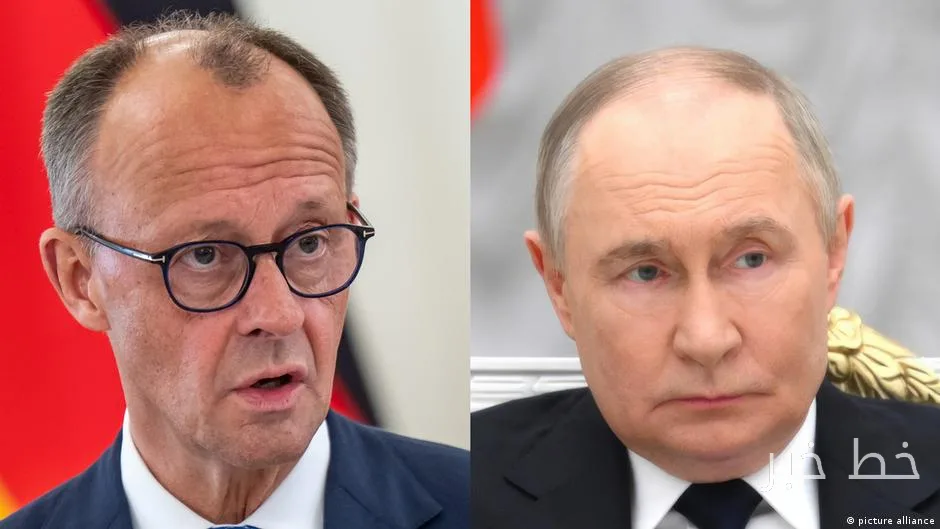
The German government was initially hesitant to provide military aid to Ukraine, but continued to support Ukraine under internal pressures and the statements of Friedrich Merz, the opposition leader. Currently, 42 percent of survey respondents believe that military aid to Ukraine is excessive. If public support decreases in the long term, the government may be forced to react.
At the same time, internal pressures on the German government have increased. The right-wing Alternative for Germany (AfD) party has achieved successes in local elections and has called for an end to support for Ukraine and normalization of relations with Russia. These concerns among the public have intensified due to rising fuel prices.
Ultimately, despite the pressures, the German government remains committed to its positions in support of Ukraine, but opinions on this matter vary among politicians and experts. Some believe that the time has come for a change in Germany and Europe's policy, and that more pressure should be applied to Ukraine to approach new American proposals.