Germany is working to identify a suitable site for the disposal of its nuclear waste. This effort comes as many other countries face a similar challenge. Despite Finland recently establishing the world's first nuclear waste disposal site, Germany has yet to reach a conclusion in this area.
Progress and Challenges
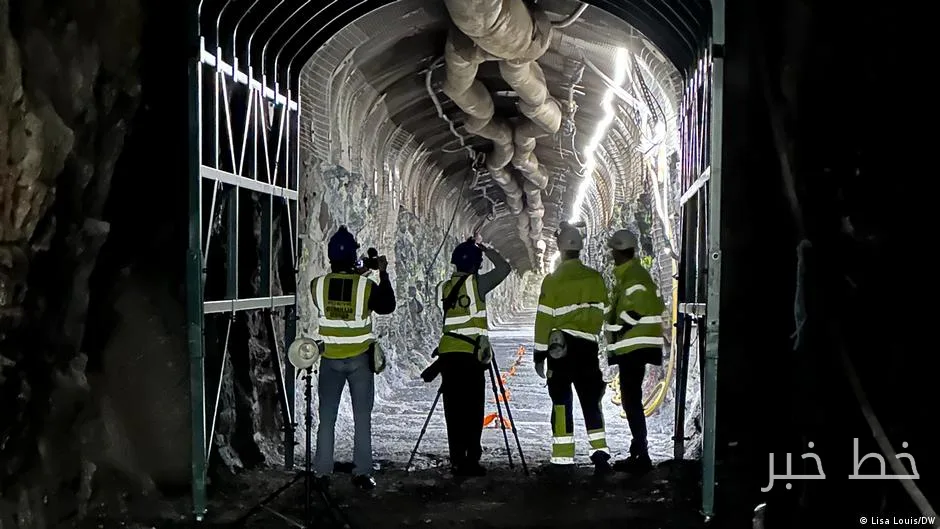
Germany has been searching for a final disposal site since the establishment of the Federal Company for the Disposal of Nuclear Waste (BGE) nearly a decade ago. This site must be located deep underground and designed to ensure that nuclear waste, especially spent fuel, remains safe for thousands of years.
Read more: Reduction of Lighting Hours in November
The German Minister of the Environment, Carsten Schneider, has emphasized that the country hopes to identify a final disposal site by 2050, but there is still a long way to go. He is seeking to expedite the search process so that Germany can achieve tangible results.
Current Status of Nuclear Waste in Germany
Currently, most nuclear waste is stored at the sites where it was produced. This includes 19 former nuclear power plants that are currently being decommissioned. Following Germany's decision to phase out nuclear energy in 2011 and the closure of the last power plant in 2023, this waste has remained in temporary storage.
According to experts, the annual cost of searching for a final disposal site and maintaining nuclear waste is estimated at about 1.4 billion euros, and the final cost of the disposal site is expected to reach around 14 billion euros.
Germany must work to gain public trust and explain why addressing the legacy of the nuclear era is important. The BGE is consulting with geologists, nuclear experts, and citizens to identify a suitable location for the disposal of this waste.
Given that Finland has achieved significant successes in this area, Germany can learn from this country's experiences and work towards building trust within the community.
Read more: Arizona Becomes the Third State to Confirm the Existence of a New World Fruit Fly · John Healy Imposed New Taxes on Banks and Reduced Energy Costs in Britain